
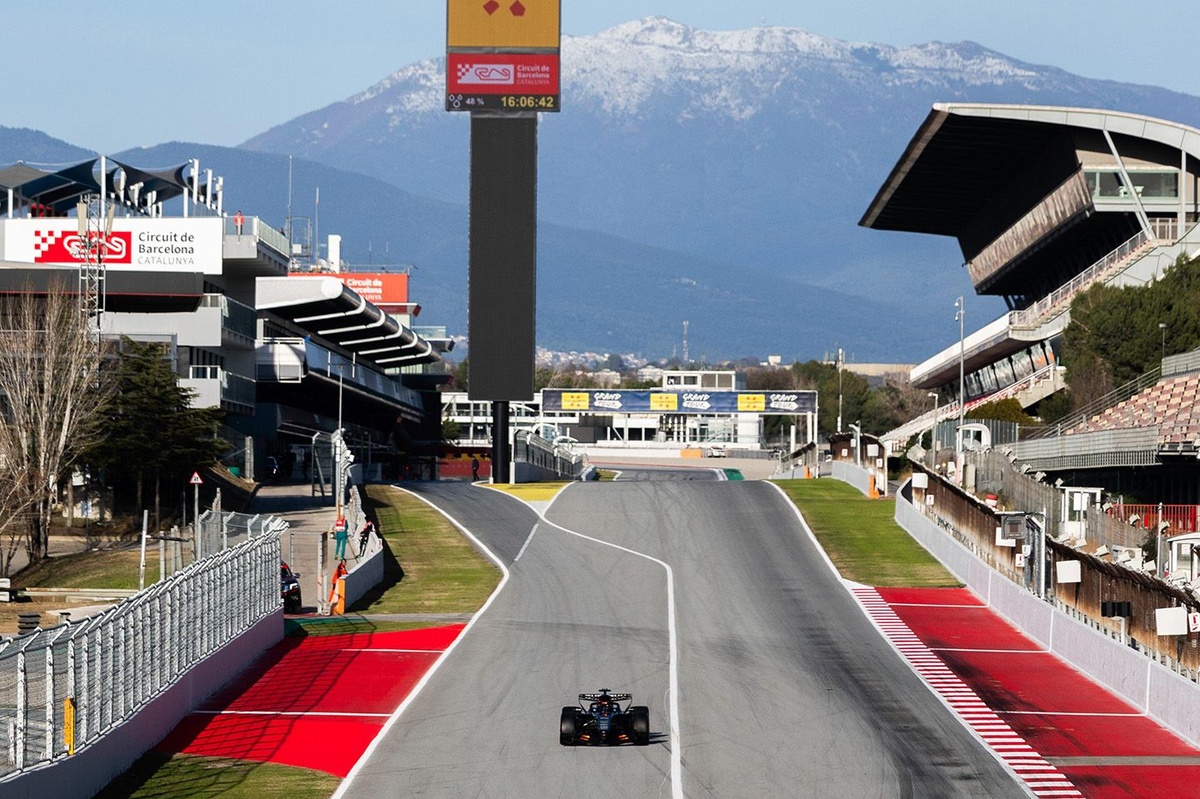

The iconic Circuit de Barcelona-Catalunya has defied the odds, securing its place on the Formula 1 calendar for years to come – but not without a thrilling twist that sees it rotating with the legendary Spa-Francorchamps.
Key Takeaways:
- Barcelona secures a new F1 deal for 2028, 2030, and 2032, confirming its place on the calendar.
- The Spanish Grand Prix will now rotate with the Belgian Grand Prix at Spa-Francorchamps, which hosts in 2027, 2029, and 2031.
- This deal confirms Barcelona's commitment to significant facility upgrades to meet F1 standards.
- Spa's immediate hopes for a permanent, annual calendar spot are now firmly on hold.
The future of the Circuit de Barcelona-Catalunya in Formula 1 was shrouded in uncertainty, especially after losing its "Spanish Grand Prix" title to Madrid's upcoming event. Now, an innovative new agreement ensures the Catalan circuit remains a fixture, albeit on a rotational basis with the beloved Belgian Grand Prix at Spa-Francorchamps. This strategic move underscores F1's evolving calendar dynamics and the fierce competition for coveted European slots.
A New Era for Spanish F1: Barcelona's Resilience
Facing immense pressure to modernize its facilities and with its existing contract expiring, Barcelona fought hard to retain its Grand Prix status. The unwavering commitment from both the city and the Catalan government has paid off, cementing its position in the world of elite motorsport. This financial backing is crucial for ongoing improvements and an enhanced fan experience.
While Madrid is set to host the new "Spanish Grand Prix" from 2026, Barcelona will continue to deliver its unique flavour of racing. The Montmelo circuit, known for its challenging layout, will now be seen in 2028, 2030, and 2032, promising thrilling action every other year. This ensures Spain remains a dual-venue nation for F1, offering diverse racing spectacles.
The Spa Shuffle: What it Means for Belgium
This new rotation officially locks Spa-Francorchamps into an alternating schedule for the next six years, hosting in 2027, 2029, and 2031. For fans of the iconic Belgian track, this news is bittersweet. While its future is secured for now, it dashes immediate hopes of regaining a permanent, annual slot on the demanding F1 calendar.
The decision highlights F1's drive for diversity and global reach. European heritage tracks like Spa and Barcelona must adapt to a landscape where new, high-investment venues are constantly vying for inclusion. This balance ensures F1 maintains its roots while expanding its global footprint.
The Business of Speed: Economic Impact and F1's Vision
The economic benefits of hosting a Formula 1 Grand Prix are undeniable. Pol Gibert, CEO of Circuits de Catalunya SL, highlighted that the event generates over €300 million per edition. Beyond the direct financial injection, it serves as a powerful global showcase for Catalonia, projecting its image as a premier destination for world-class sporting events.
Formula 1 CEO Stefano Domenicali praised Barcelona's commitment, acknowledging the substantial investments in the circuit and the fantastic fan festivals. He emphasized the importance of enhancing the overall experience for both race attendees and the wider city, signaling F1's focus on fan engagement as a key part of its strategy.
Calendar Chaos: Filling the Remaining Gaps
The F1 calendar continues to be a complex puzzle. With the Dutch Grand Prix departing after 2026 and the Portuguese Grand Prix at Portimao stepping in for 2027 and 2028, the rotational deal between Barcelona and Spa still leaves one slot open for the 2027 season. Speculation is rife about which venue might fill this void.
One prominent contender is the Turkish Grand Prix in Istanbul, often cited as a fan-favourite circuit with a rich history. The strategic dance to finalize a 24-race calendar demonstrates F1's high demand and the relentless competition among global hosts.