
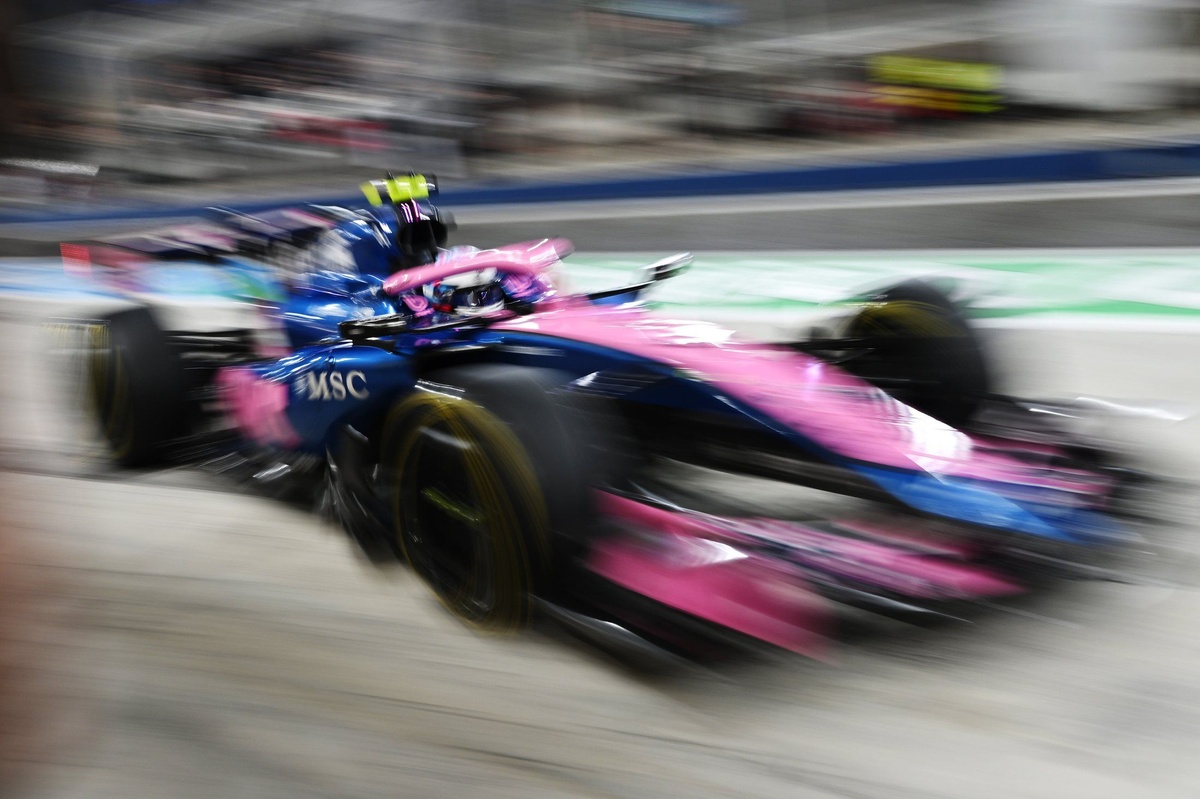

A technical storm is brewing in the Formula 1 paddock, threatening to overshadow the start of the 2026 season. At the heart of the controversy is Mercedes' innovative interpretation of the new engine compression ratio regulations, sparking outrage among rival teams. However, Alpine, a customer team, has launched a passionate defense, asserting that the rules are "crystal clear" and the FIA must uphold their written word.
- Key Points on the F1 Engine Controversy:
- New 2026 F1 regulations mandate a reduced engine compression ratio of 16:1.
- Mercedes is believed to have designed an engine that meets static test limits but increases the ratio dynamically during operation.
- Rival teams are fiercely challenging this interpretation, demanding FIA intervention.
- Alpine stands firmly with Mercedes, arguing the governing body should not set a dangerous precedent by altering clear regulations under pressure.
The Compression Conundrum: Mercedes' Edge?
The 2026 F1 season introduces a raft of new technical rules, including a significant change to engine design. Specifically, the maximum compression ratio has been reduced from 18:1 to 16:1. This seemingly minor adjustment has ignited a fierce debate, as Mercedes appears to have found a loophole.
Reports suggest that Mercedes' power unit (PU) flawlessly passes the mandatory static tests at ambient temperature, adhering to the 16:1 limit. However, the ingenious design reportedly allows the compression ratio to increase when the engine is running and under load, potentially delivering a performance advantage.
Rivals Cry Foul: Is it Fair Play?
This clever engineering by Mercedes has sent shockwaves through the paddock. Competitor teams argue that this dynamic adjustment grants Mercedes and its customer teams – Alpine, McLaren, and Williams – an unfair advantage. They are vehemently pressuring the FIA to clarify or amend the rules, fearing a season dictated by a technicality.
The stakes are incredibly high, as the FIA's decision could significantly impact the championship battle. Teams are pushing for a pre-season ruling, but the engine homologation deadline of March 1 leaves little room for radical changes.
Alpine's Unwavering Defense: Upholding the Rulebook
Amidst the growing dissent, Alpine has emerged as a staunch defender of Mercedes. Steve Nielsen, Managing Director at Alpine F1, expressed unwavering confidence in the German manufacturer's legality. "The regulations are crystal clear on when compression ratio is measured," Nielsen declared. "Some other people are trying to introduce different parameters... we've got full confidence in Mercedes."
Nielsen's stance is unequivocal: Mercedes built their power unit in "good faith" based on a very clear rulebook. He emphasizes that Article C5.4.3 explicitly states that the ratio is measured via a static test at "ambient temperature." Any attempt to redefine this now, under pressure, would be a dangerous move.
The Dangerous Precedent: Beyond Horsepower
For Alpine, this debate transcends a simple technical advantage. Nielsen views it as a fundamental challenge to the integrity of F1's regulatory framework. "If a certain set of teams don't like something that's very clearly written, if suddenly you can have a lobby group and change it, then you're in a whole different world," he warned.
He highlights the immense investment in time and money teams pour into developing within clearly defined rules. Changing those rules retrospectively, without safety concerns, would undermine trust and set a perilous precedent for future interpretations.
FIA's Verdict: A Race Against Time
The clock is ticking for the FIA. With the Australian Grand Prix looming and engines set to be homologated by March 1, a swift and decisive ruling is crucial. Nielsen hopes the FIA will issue a clear statement before Melbourne to prevent the technical controversy from overshadowing the racing action.
However, given the complexity and the limited time, it's increasingly likely that the compression ratio debate will remain a hot topic well into the early races. The FIA faces a critical decision: enforce the letter of the law or succumb to pressure from teams seeking a competitive re-balance. The outcome will not only impact this season but also define the future approach to F1 regulations.


