
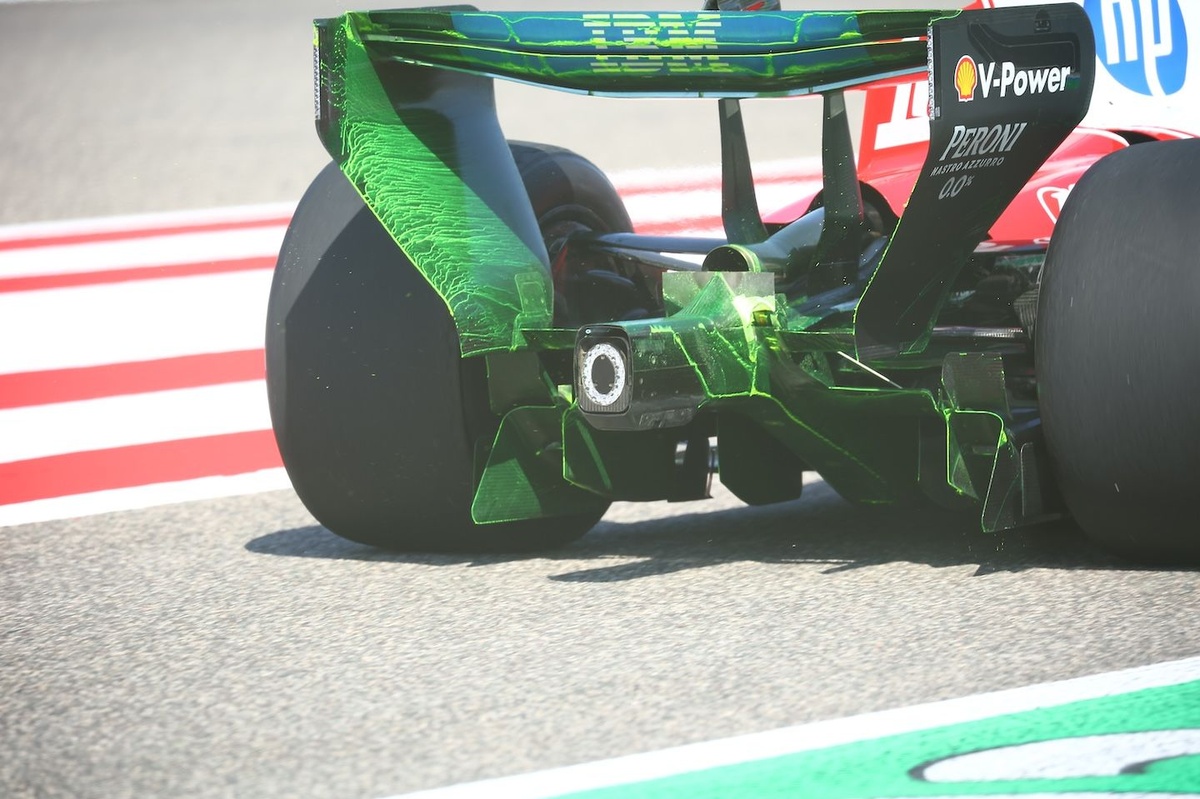

Ferrari has just fired the first true shot of the upcoming 2026 Formula 1 season, unveiling an audacious aerodynamic innovation that has left rivals scrambling at the Bahrain pre-season tests. This is more than just a tweak; it's a bold statement from the Scuderia.
Key Takeaways from Ferrari's Innovation
- Ferrari debuted a unique exhaust wing, internally dubbed FTM, on their SF-26 at the Bahrain pre-season test.
- The design cleverly navigates existing F1 regulations by repositioning key internal components like the differential.
- This innovation directly capitalizes on the specific characteristics of the 2026 power unit changes, maximizing exhaust gas flow for downforce.
- Rivals will face a significant hurdle to replicate Ferrari's ground-breaking concept without a full car redesign.
Unpacking Ferrari's Aero Masterstroke
As Charles Leclerc first hit the Sakhir track, eyes weren't just on the lap times, but on a subtle yet revolutionary addition to the SF-26: a small wing positioned strategically in front of the exhaust pipe. This isn't just a cosmetic change; it's a meticulously engineered solution designed to exploit every aerodynamic inch. Later, Lewis Hamilton is set to get a taste of this new machine.
The Genius Behind the FTM Wing
F1 regulations permit aerodynamic devices up to 60mm from the axle in this area. Traditionally, this constraint prevents extensions beyond the exhaust tip. However, Ferrari’s engineers showcased incredible ingenuity. They achieved this by cleverly moving the differential as far back as possible, utilizing previously overlooked space beneath the deformable structure. This wasn't an afterthought; the entire rear of the SF-26 was designed from the ground up with the FTM (Ferrari's internal term for it) in mind. It's a testament to forward-thinking design and rulebook mastery.
2026 Rules: The Catalyst for Innovation
This isn't just about finding more downforce; it's about adapting to the evolving technical landscape of Formula 1. The new 2026 power unit regulations necessitate battery recharging, compelling engine manufacturers to run the V6 internal combustion engine at consistently high RPMs. This means a continuous flow of exhaust gases, even during medium and low-speed corners.
Ferrari's FTM wing is engineered to harness these persistent exhaust gases, converting what would otherwise be wasted energy into valuable aerodynamic performance. It's a strategic move that turns a regulatory requirement into a competitive advantage, providing a constant stream of downforce when rivals might be struggling for grip.
A Strategic Challenge for the Grid
The immediate implication? Other teams are now playing catch-up. Replicating Ferrari's sophisticated exhaust wing isn't a simple bolt-on job. Because the SF-26's rear architecture was specifically designed around the FTM from its inception, any competitor attempting to copy this solution would likely require a fundamental redesign of their car's entire rear section. This is a monumental undertaking, especially in the thick of a development cycle. Ferrari has potentially bought themselves a significant head start, setting a new benchmark for aerodynamic integration ahead of the 2026 season.


