
The Grid Gauntlet: Melbourne Exposes F1's Start Flaws
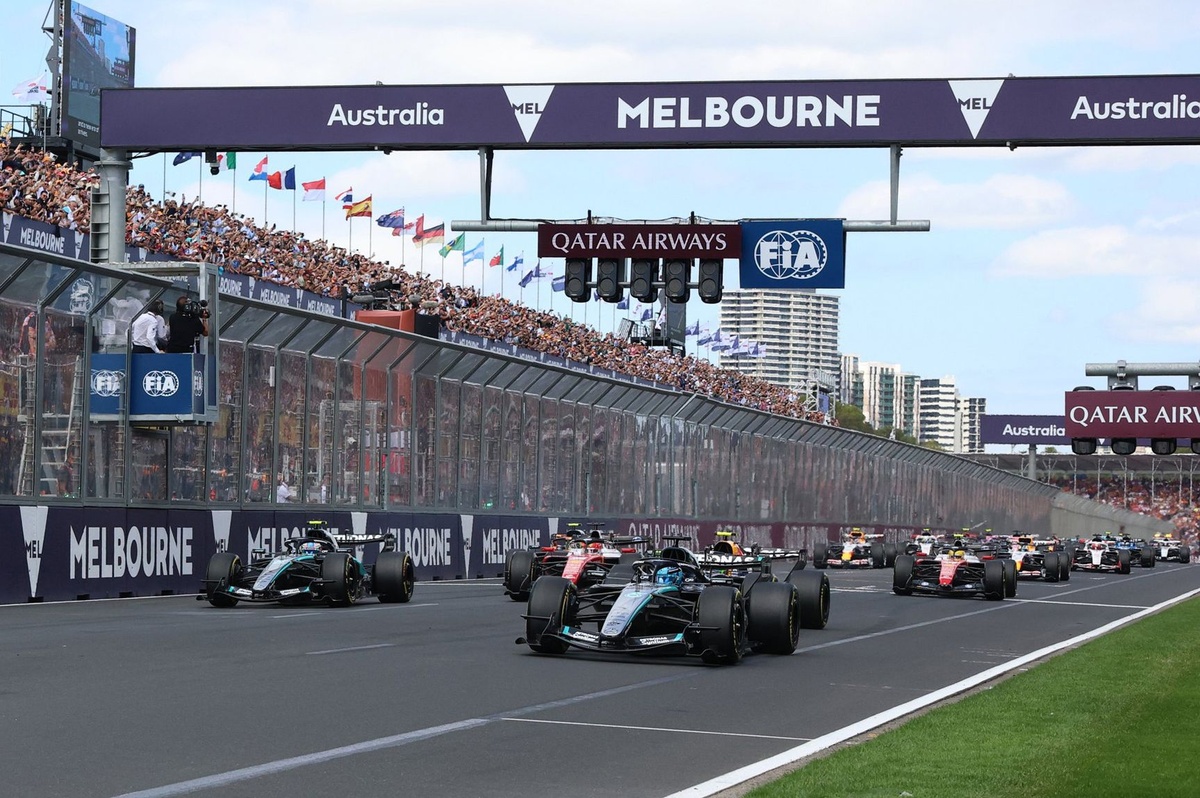
The roar of Formula 1 engines is meant to signal explosive starts, but the Melbourne GP grid left many fans, and drivers, with a sense of unease. A critical debate is now raging over the very fabric of F1's starting procedures, pitting powerhouse teams against each other.
Key Points:
- The Melbourne Grand Prix highlighted critical issues with Formula 1's new starting procedures, leading to dangerous slow starts.
- Teams like Mercedes are vocally pushing for regulatory changes, citing depleted batteries and turbo lag as primary concerns.
- Ferrari is reportedly leading the opposition, blocking the necessary consensus for rule amendments.
- Safety concerns escalated after Liam Lawson's alarming near-miss on the grid, narrowly avoiding a stationary car.
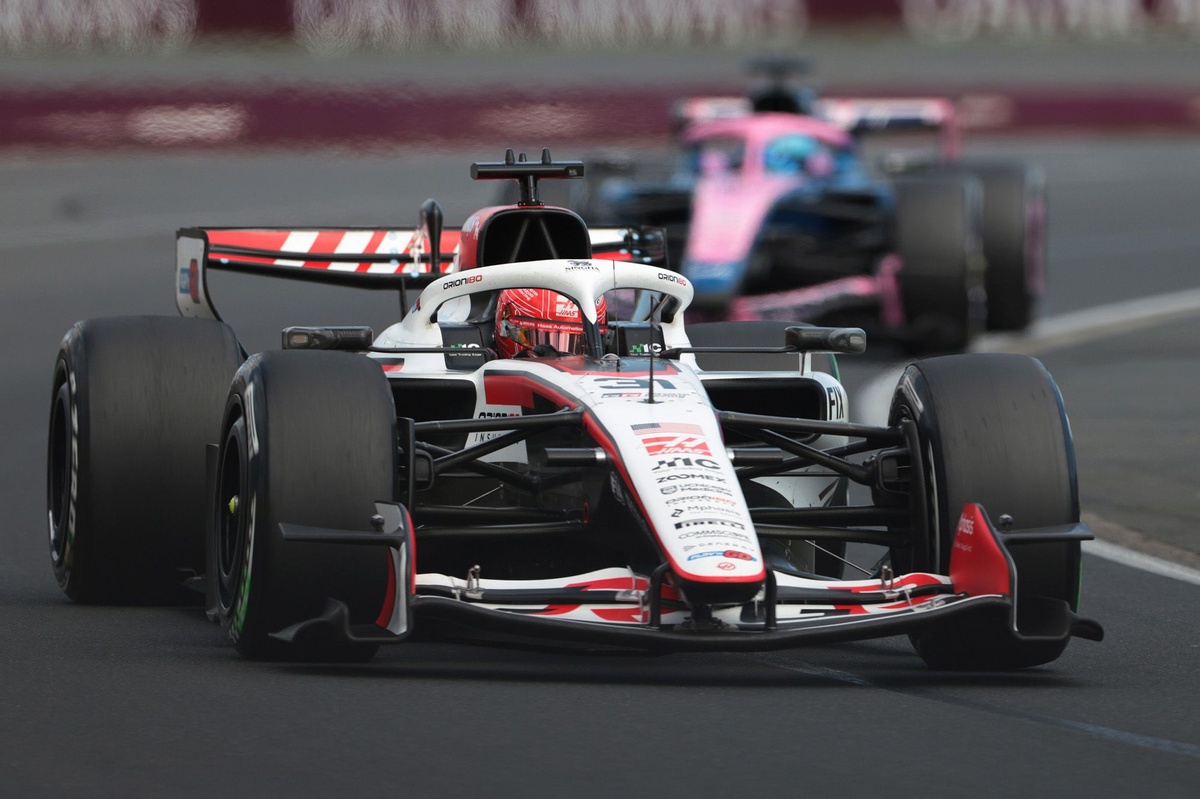
The Australian Grand Prix truly tested Formula 1's latest regulations, especially concerning the starting sequence. With the removal of the MGU-H from the engine architecture, teams with larger turbos are struggling to bring their units up to speed quickly enough. This technical shift has introduced a new layer of complexity and, crucially, a new risk.
The FIA had already implemented a five-second pre-race preparation period for safety, but this appears insufficient. Multiple slow starts and near-collisions in Melbourne have reignited calls for a significant overhaul, with Mercedes at the forefront of the push for change.
Power Drain on the Paddock: Battery Woes Explained
Beyond turbo spooling, a major issue is the state of the cars' batteries at the start. Many drivers, regardless of their grid position, found themselves with almost flat batteries. This isn't just an inconvenience; it dramatically impacts acceleration above 50kph, leaving some cars critically underpowered as they launch.
Max Verstappen voiced his concerns, stating, "starting with 0% battery is not much fun and also quite dangerous." The problem is compounded by FIA recovery limits per lap and the aggressive driving required during the formation lap to warm tyres and brakes, further depleting vital energy reserves.
FIA in a Gridlock: Why Rule Changes Are Stalled
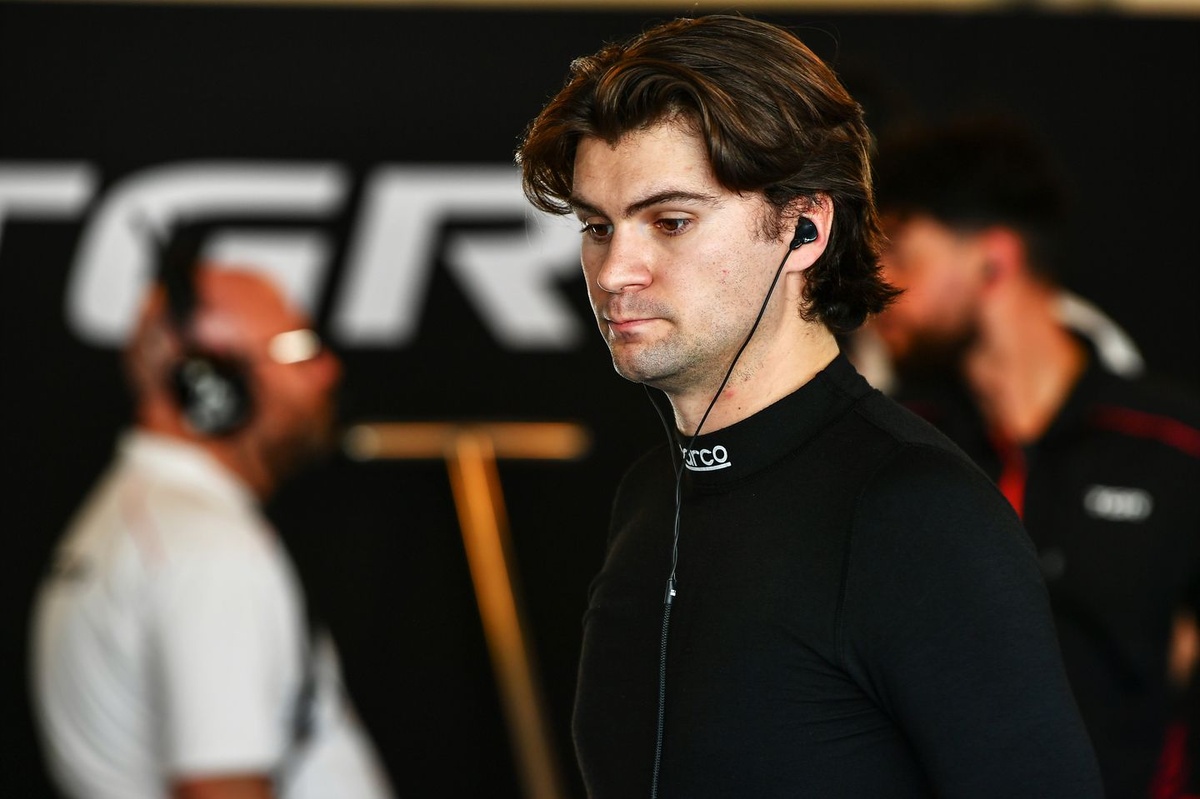
The most alarming incident in Melbourne saw Liam Lawson narrowly avoid a stationary car, thanks to Franco Colapinto's lightning-fast reaction. Such moments underscore the urgent safety implications of these troubled starts. Yet, despite the clear risks and the pleas from some teams, the FIA finds its hands tied.
Changing current Formula 1 regulations requires a supermajority vote from the teams. As George Russell revealed before the Chinese Grand Prix, this consensus is currently absent. "You can probably guess which team is against it," he remarked, pointing directly at Ferrari.
The Ferrari Factor: Protecting a Strategic Edge?
It’s no secret that some teams thrive under the current, more challenging start procedures. Ferrari, having reportedly flagged these issues a year ago without action, now possesses an advantage in managing these complex starts. Altering the rules would erode this hard-earned competitive edge.
George Russell didn't mince words, describing those who oppose regulatory adjustments as "selfish." He highlighted that while his team, Mercedes, and others will adapt, the FIA's initial desire to simplify battery recharging limits was blocked by teams prioritizing their own interests. For now, it seems internal team procedures, rather than rule changes, will be the focus for those struggling off the line.
Driver Frustration: Voices from the Cockpit
Drivers are caught in the crossfire, tasked with navigating these tricky starts. Max Verstappen emphasized the simplicity of potential solutions for battery management, acknowledging the inherent danger. The divide, however, extends beyond just team principals and into the cockpits, with drivers urging for solutions to enhance both fairness and safety.
Until a supermajority is achieved, or the FIA invokes a safety clause to push through changes, Formula 1 fans can expect the debate over the starting procedures to continue, shaping not just the races, but the very dynamics of the championship battle.