
Formula 1's surge in the United States isn't just a story of growth; it's a full-blown revolution that has transformed a niche European sport into a mainstream American obsession. A decade ago, the idea of three US Grand Prix and multiple American teams seemed like a distant dream. Today, it's a vibrant reality, thanks to strategic moves and a cultural phenomenon that captivated millions. The journey of F1 in America, especially since the debut of Haas F1 in 2016, marks one of the most remarkable commercial success stories in modern sports.
- Haas F1 Team shattered expectations by scoring points in its debut season (2016), laying the groundwork for American involvement.
- Liberty Media's acquisition in 2017 strategically targeted US growth, bringing F1 back to ESPN and greenlighting "Drive to Survive."
- The Netflix documentary, Drive to Survive, became a global sensation, single-handedly introducing Formula 1 to a new generation of American fans.
- The explosion in popularity led to three US races (Austin, Miami, Las Vegas) and record viewership, culminating in 3.1 million viewers for the 2024 Miami Grand Prix.
The Ground Zero: Haas F1's Pioneering Spirit
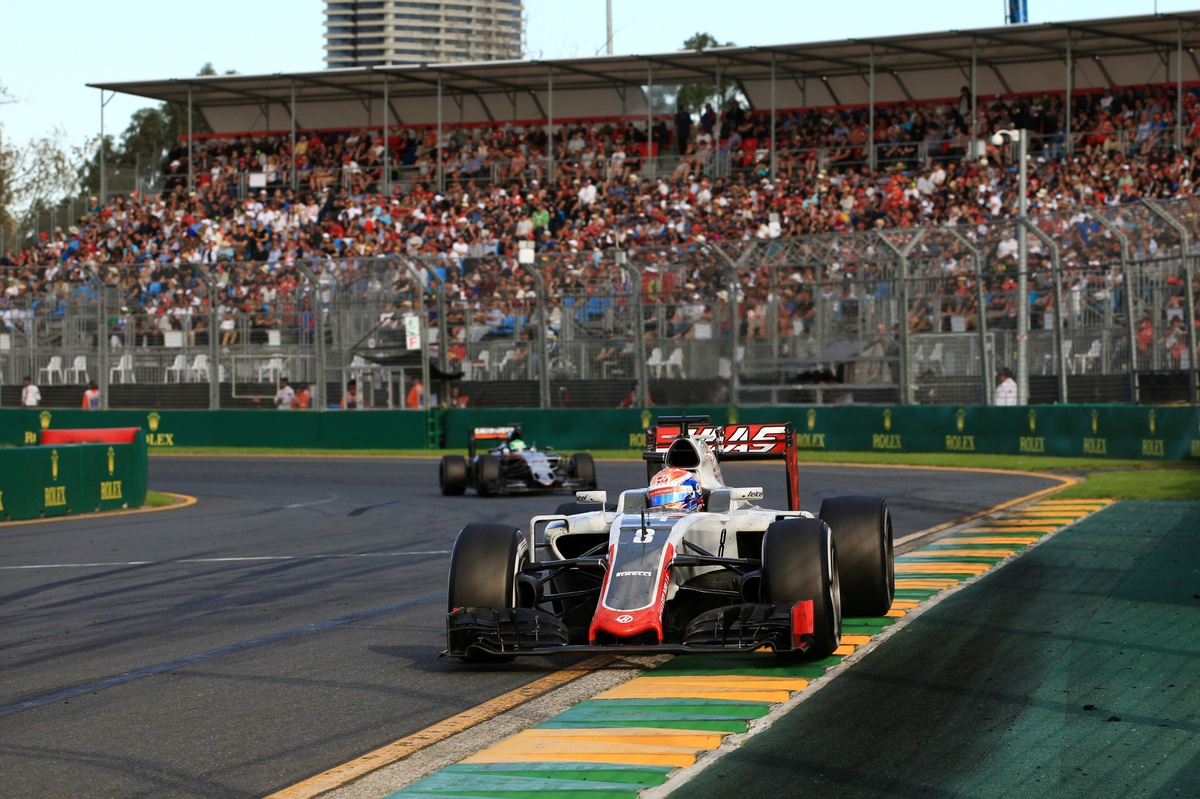
The 2016 Formula 1 season heralded a new dawn for American motorsport with the arrival of Haas F1 Team. Backed by entrepreneur Gene Haas, this audacious entry wasn't just another team; it was a statement of intent, bringing a truly American presence back to the grid for the first time in years.
Building an American Contender
Instead of designing every component from scratch, Haas F1 strategically purchased as many eligible parts as possible from engine supplier Ferrari. This savvy strategy allowed them to focus resources on the critical aspects of racing and operational efficiency. The gamble paid off immediately. In their inaugural season, drivers Romain Grosjean and Esteban Gutierrez defied expectations, with Grosjean remarkably scoring points in the team's first two races. This debut propelled Haas to an impressive eighth place in the constructors' standings with 29 points, outpacing established names like Renault and Sauber.
Early Impact and the Sole US Race
Despite their promising start, Haas F1 initially raced with only one home Grand Prix: the Circuit of the Americas (COTA) in Austin, Texas. F1 had made its return to the US at COTA in 2012 after a five-year hiatus. The 2016 US Grand Prix proved challenging for Haas, with Grosjean fighting hard to clinch a single point for 10th place, while Gutierrez retired due to a braking issue. This highlighted the need for greater American engagement, both on and off the track.
Liberty Media's Strategic Ignition
The true catalyst for Formula 1's American expansion arrived in 2017 when Liberty Media, a US-based media conglomerate, completed its acquisition of the sport. Investing billions, Liberty immediately declared its ambition to unlock F1's "huge potential with multiple untapped opportunities" in the United States. This was a pivotal moment, shifting F1's focus from traditional European markets to the lucrative and sports-hungry American landscape.
Reigniting Broadcast Firepower with ESPN
One of Liberty Media's most impactful initial moves was securing a multi-year broadcast deal with ESPN in 2018. This agreement brought live, comprehensive coverage of every Grand Prix back to mainstream American television for the first time since 1997. Sean Bratches, then F1's managing director of commercial operations, recognized ESPN's reach as crucial for "igniting growing fan interest," a strategy that would prove incredibly successful.
The Netflix Effect: Drive to Survive Changes Everything
While ESPN laid the viewership foundation, Netflix's documentary series, Drive to Survive, truly supercharged F1's popularity. Debuting in 2019, the show offered an unprecedented behind-the-scenes look at the sport's drama, personalities, and fierce rivalries. It transformed obscure drivers into household names and resonated deeply with a new, younger audience in the US. Its immense success is undeniable, with season seven garnering over 10 million views in its first six months alone, demonstrating its profound cultural impact.
On-Track Triumphs and Expanded Horizons
With a dedicated American team, accessible broadcasts, and a captivating documentary series, the stage was set for Formula 1's explosive growth. The US Grand Prix at COTA became a hot ticket, symbolizing this newfound zeal.
The Spectacle of Three US Grand Prix
The 2021 US Grand Prix, the first after the COVID-19 pandemic, shattered attendance records, welcoming over 380,000 fans—a dramatic leap from the 250,000 at its 2012 debut. This success spurred further expansion, with the spectacular Miami Grand Prix joining the calendar in 2022, winding through the Hard Rock Stadium campus. Then came the audacious Las Vegas Grand Prix in 2023, transforming the iconic Strip into a high-speed circuit where cars hit speeds exceeding 229 mph. These three distinct events now offer diverse experiences and firmly cement America as a crucial F1 territory.
Homegrown Talent: Logan Sargeant's Brief Stint
The dream of an American driver on the grid materialized in 2023 with Logan Sargeant joining Williams, the first since Scott Speed in 2007. While his tenure was challenging, Sargeant etched his name in history by scoring his sole point at his home 2023 US Grand Prix. Though he was replaced by Franco Colapinto less than a year later, his presence symbolized the sport's renewed American connection.
The Future is Bright: Cadillac and Apple TV
The momentum shows no signs of slowing, with exciting developments promising an even deeper integration of F1 into the American sports landscape.
Cadillac's Ambitious Entry
The 2026 season will see the grid expand to 11 teams with the highly anticipated entry of Cadillac. Partnering with TWG Motorsports, Cadillac aims to become a full-factory outfit, initially utilizing Ferrari power units. The veteran lineup of Sergio Perez and Valtteri Bottas has been confirmed, signaling serious intent from this new American-backed contender. This addition underscores the growing strategic value of the US market for global automotive giants.
The Next Era of F1 Broadcasting
Securing long-term stability, F1 signed extensions for all three US races in 2025: Miami until 2041, Las Vegas until 2027, and COTA until 2034. Looking ahead, the broadcast landscape will shift dramatically. From 2026, Apple TV will become the exclusive US home for F1, in a deal reportedly worth $150 million annually. This move promises comprehensive coverage of all sessions and F1 TV content, signaling a new era of streaming-first engagement for American fans.
From a single American team and one race to multiple homegrown talents, three iconic venues, and unprecedented viewership, Formula 1's transformation in the United States over the last decade is nothing short of extraordinary. The future promises even more speed, drama, and American influence in the world's fastest sport.