Ford CEO says building Red Bull’s F1 engine revealed how to compete with China in the auto industry
Ahmad Fauzi
Published: Jan 20, 2026
Ford’s return to Formula 1 with Oracle Red Bull Racing is teaching its CEO that software is key to beating Chinese carmakers.
Developing a Formula 1 engine has given Ford valuable insight into how to stay competitive against Chinese automakers, according to Ford CEO Jim Farley.
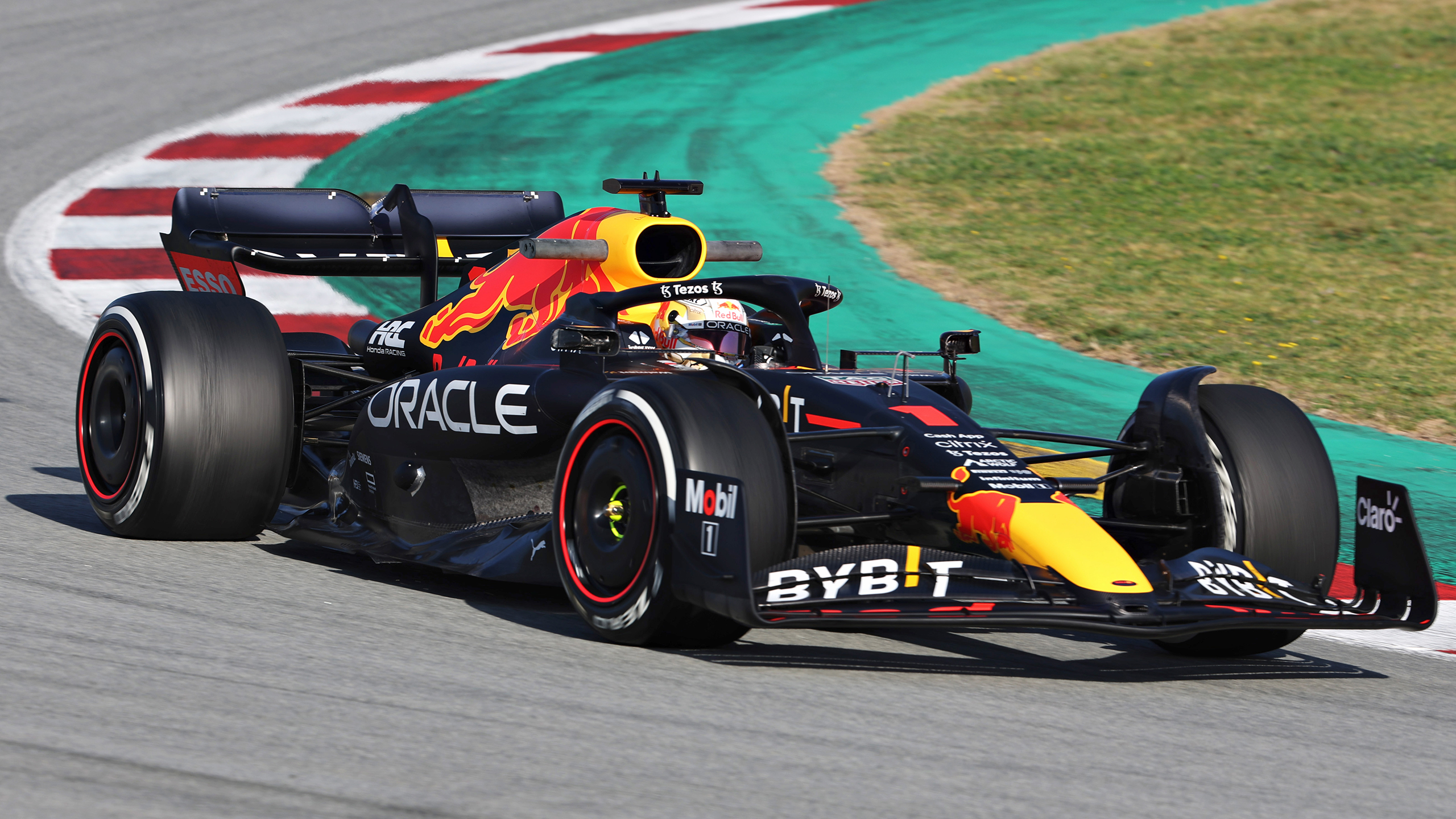
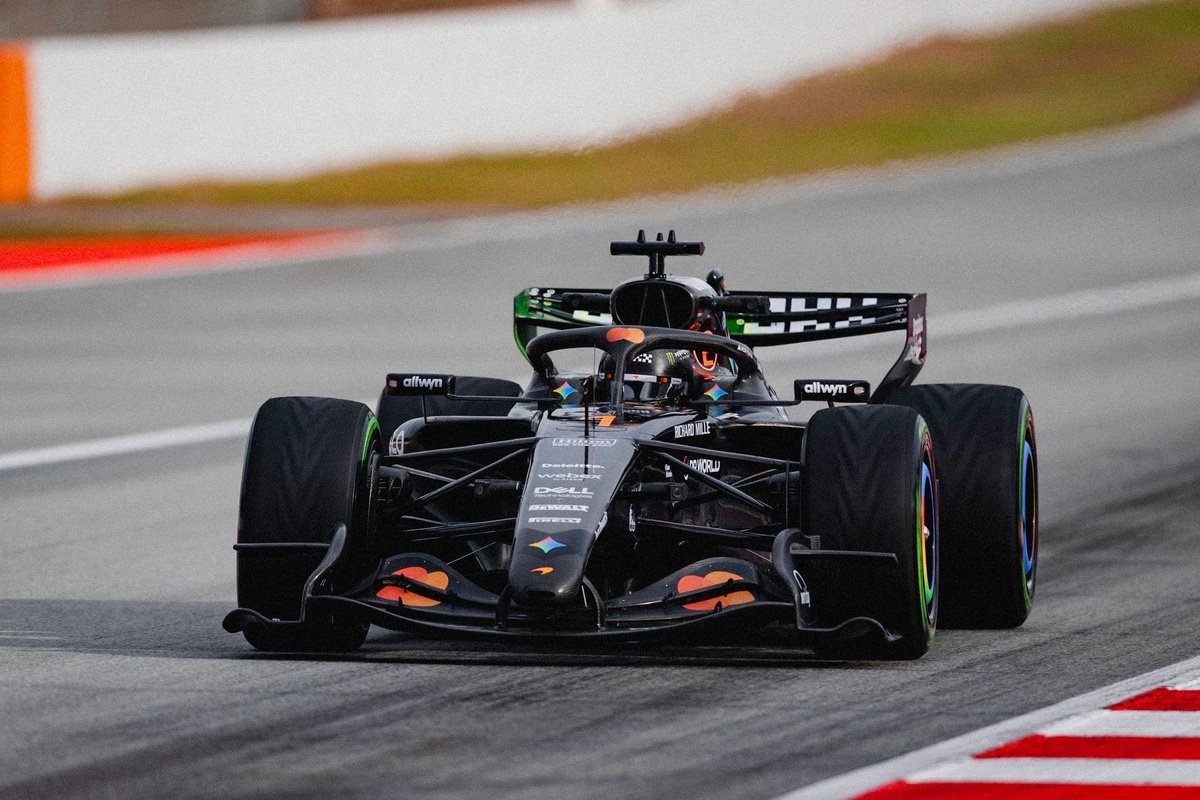
In 2023, Ford confirmed it would become the engine supplier for Oracle Red Bull Racing beginning in 2026. On Friday, Red Bull revealed its car for the 2026 Formula 1 season, featuring power from the Red Bull Ford Powertrains engine.
Speaking in an interview with Bloomberg published on Sunday, Farley was asked how the engine development programme has helped him create more value for Ford’s customers. His response focused on software.
“It’s a long list, but I would say the real signature for me is really the software, the control software for the hybrid system, predictive failure components,” Farley said.
He explained that advancing software capabilities is essential to competing with Chinese vehicles.
“These are the essence of the new software-defined vehicle globally to beat China, and they are really good,” he added. “We need these capabilities from Formula 1, and we can put them right in the Transit van.” Photo by: Rebecca Cook / Jim Farley Image via REUTERSFarley noted that working alongside Red Bull on the F1 engine has improved Ford’s understanding of LLMs and failure prediction systems, developments that can benefit both Red Bull driver Max Verstappen and Ford customers. This marks another chapter in Ford’s long involvement in Formula 1, having previously supplied engines from 1967 through 2004.
In recent years, Chinese carmakers, especially electric vehicle manufacturers, have made significant investments in smart technology. An executive from CATL said at the World Economic Forum last year that Chinese automakers were moving away from the term “EVs” in favor of “EIVs,” meaning electric intelligent vehicles.
Following the launch of the R1 model by Chinese AI company DeepSeek last year, major brands including BYD, Geely, and Great Wall Motor announced plans to integrate the system into their vehicles.