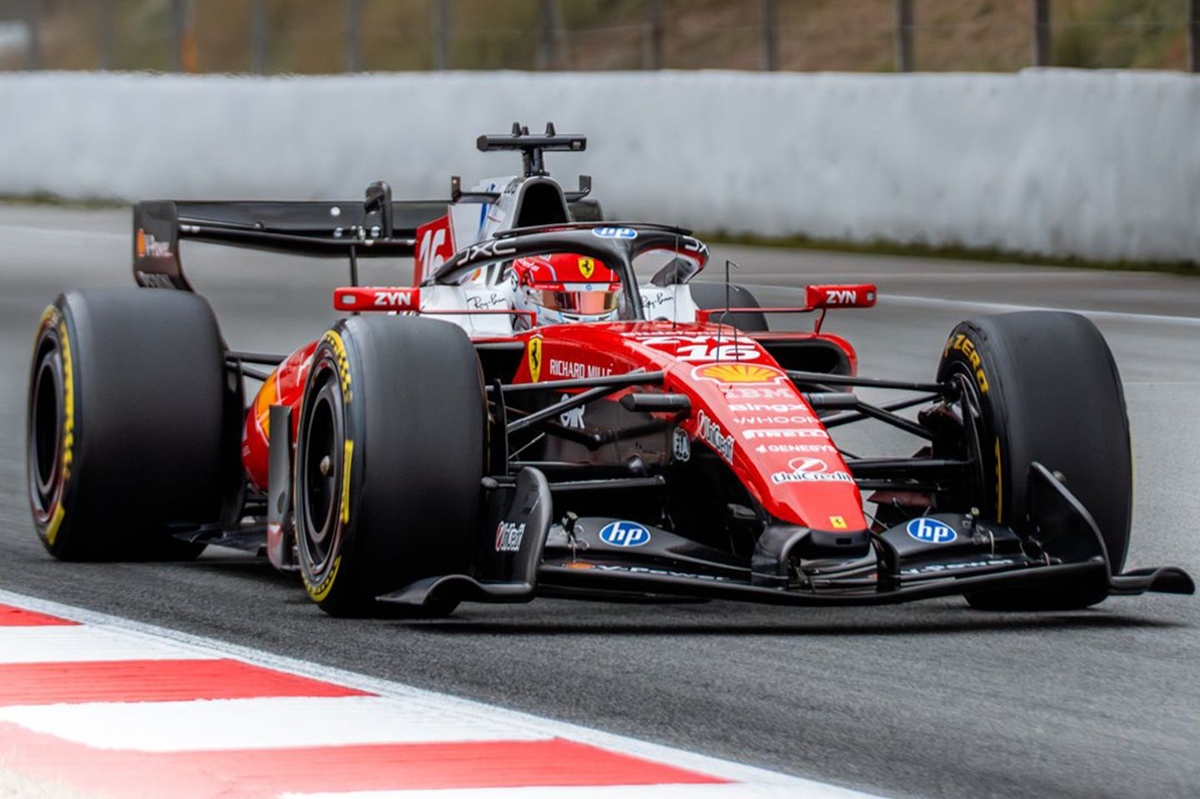

From Simulator Doubts to Track Day Thrills
Just months ago, Charles Leclerc, Ferrari's highly-rated driver, openly expressed his skepticism regarding the upcoming 2026 F1 regulations. After initial trials in the Ferrari simulator, he found the early developmental version of the SF-26 to be "less enjoyable" to drive.
His concerns revolved around the much greater reliance on electrical energy deployment, which he felt would fundamentally alter the driving experience. This candid feedback from a top driver sent ripples through the **Formula 1** world, highlighting potential challenges with the new era.
Barcelona Unlocks New Potential
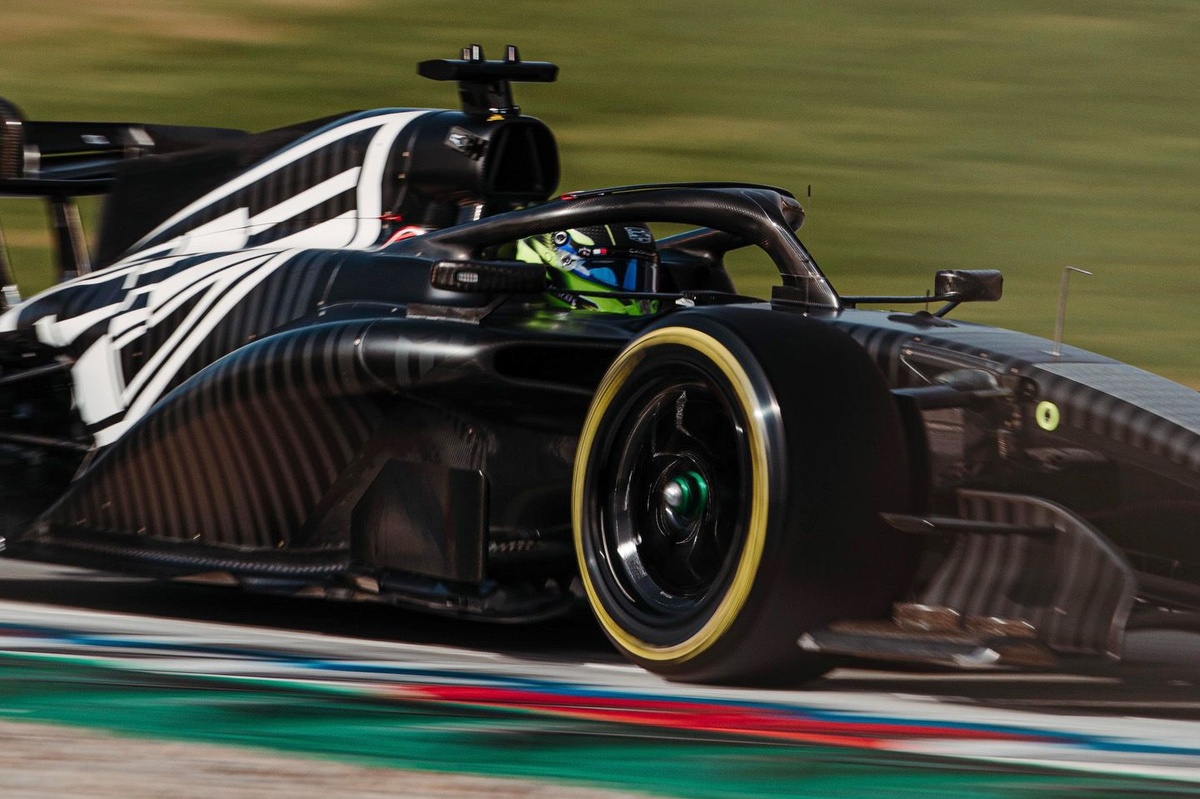
Fast forward to Barcelona, and the narrative has completely flipped. After his first substantial dry-weather outing in the actual **Ferrari SF-26**, **Leclerc's** initial worries appear to be melting away. He completed an impressive 89 laps, gaining crucial real-world feedback on the new machine.
This productive session followed a successful morning for teammate **Lewis Hamilton**, who also logged **85 laps**. The **Scuderia** is clearly making significant strides in understanding the car, and **Leclerc's** evolving sentiment is a massive boost.
The Electrified Future: A Driver's Challenge
Calling the car "super interesting," **Leclerc** admitted the learning curve is steep but embraced the unique challenge. He highlighted that the **2026 F1** car is fundamentally different from anything he's driven in **Formula 1** since his debut.
This is where the new regulations truly come into play. With **50% of the power** now derived from the electrical engine, managing the energy becomes an intricate art. For a driver like **Leclerc**, it’s an opportunity to innovate and "think outside the box" – precisely the kind of strategic thinking that could define the next generation of champions.
Mastering the Hybrid Beast
While the sensation is novel, **Leclerc** quickly felt at home behind the wheel. The core principles of an **F1 car** remain, but the sophisticated hybrid systems demand a fresh approach to driving and race management. This technical complexity could level the playing field or open new avenues for driver skill.
The shift from simulator-induced apprehension to on-track excitement suggests that **Ferrari's** engineers are making progress in translating theoretical designs into a tangible, driveable package. This is a critical development for the team's long-term aspirations.
Ferrari's Ambitious Road Ahead
**Ferrari's** rigorous testing program is far from over. Despite the positive early signs, **Leclerc** emphasized that the performance picture remains a "huge question mark." The team is meticulously working through a "massive checklist" of items, focusing on understanding the car's nuances and various setup configurations.
Extensive Testing and Uncharted Territory
The goal isn't just speed but comprehensive data gathering on how the new systems interact under different conditions. This iterative process of testing, analysis, and refinement is crucial for **Ferrari** to hit the ground running when the **2026 F1** season arrives.
The **Scuderia's** commitment to thorough development, combined with **Leclerc's** newfound enthusiasm, bodes well for a captivating future. Fans can anticipate a season where strategic energy management and driver adaptability will play an even more significant role in determining who stands atop the podium.