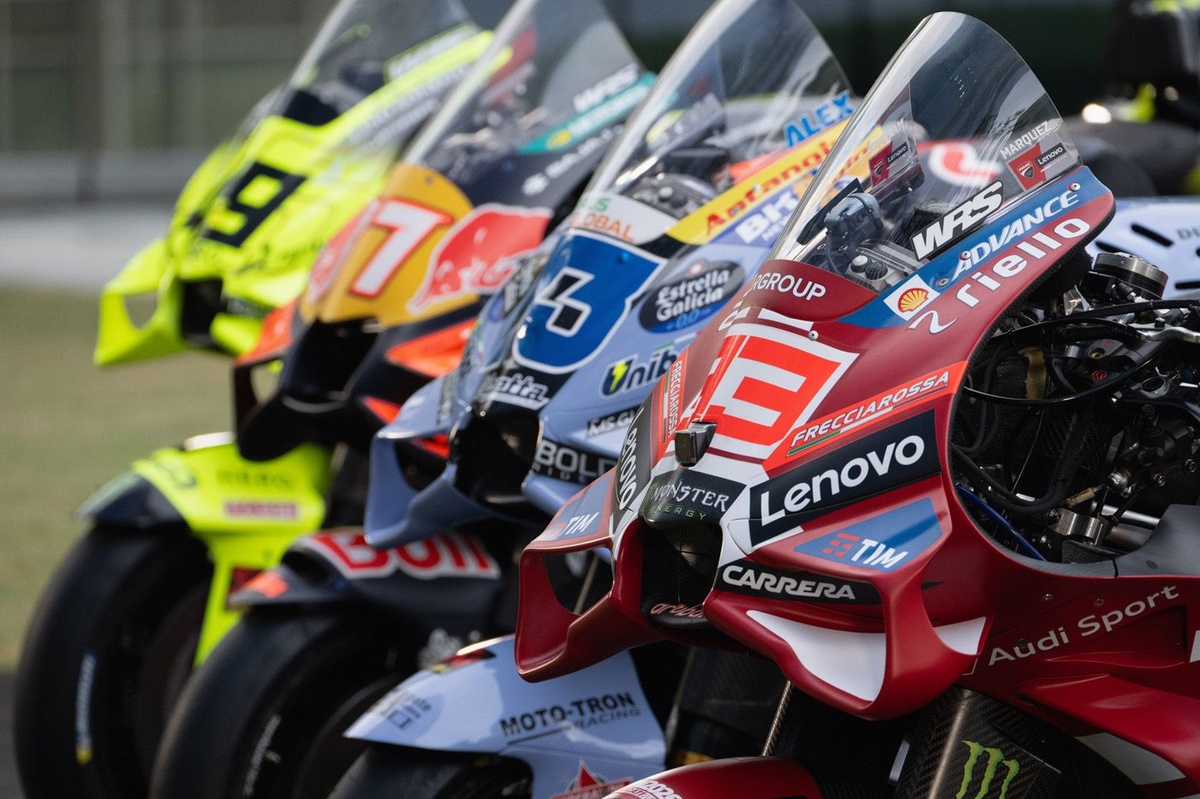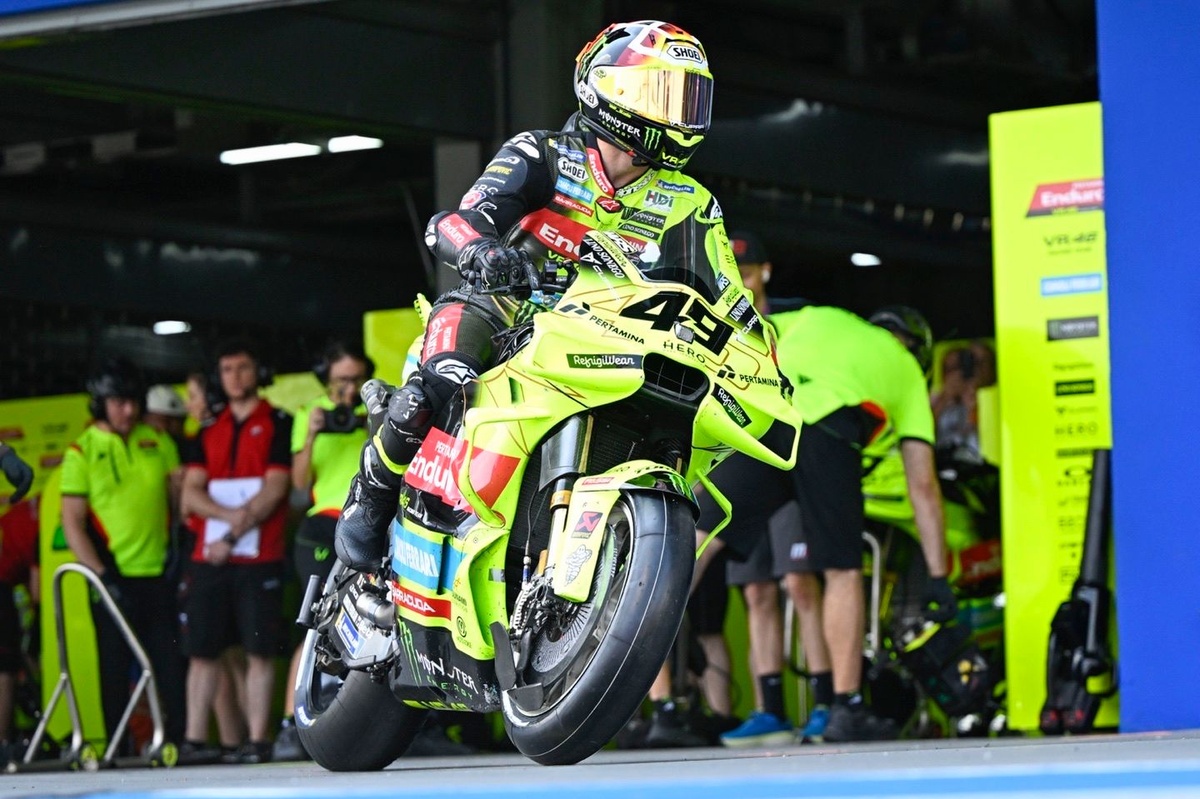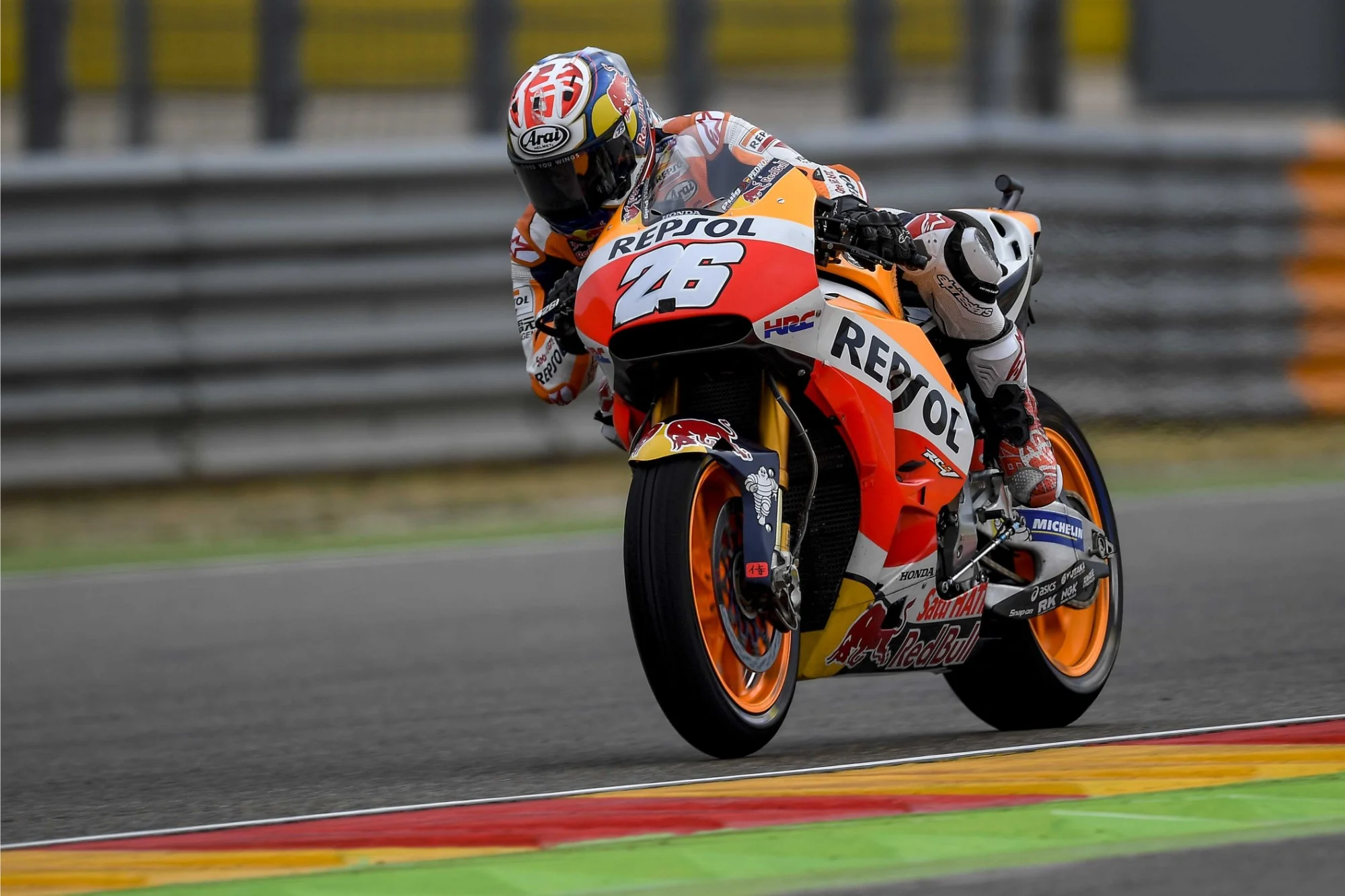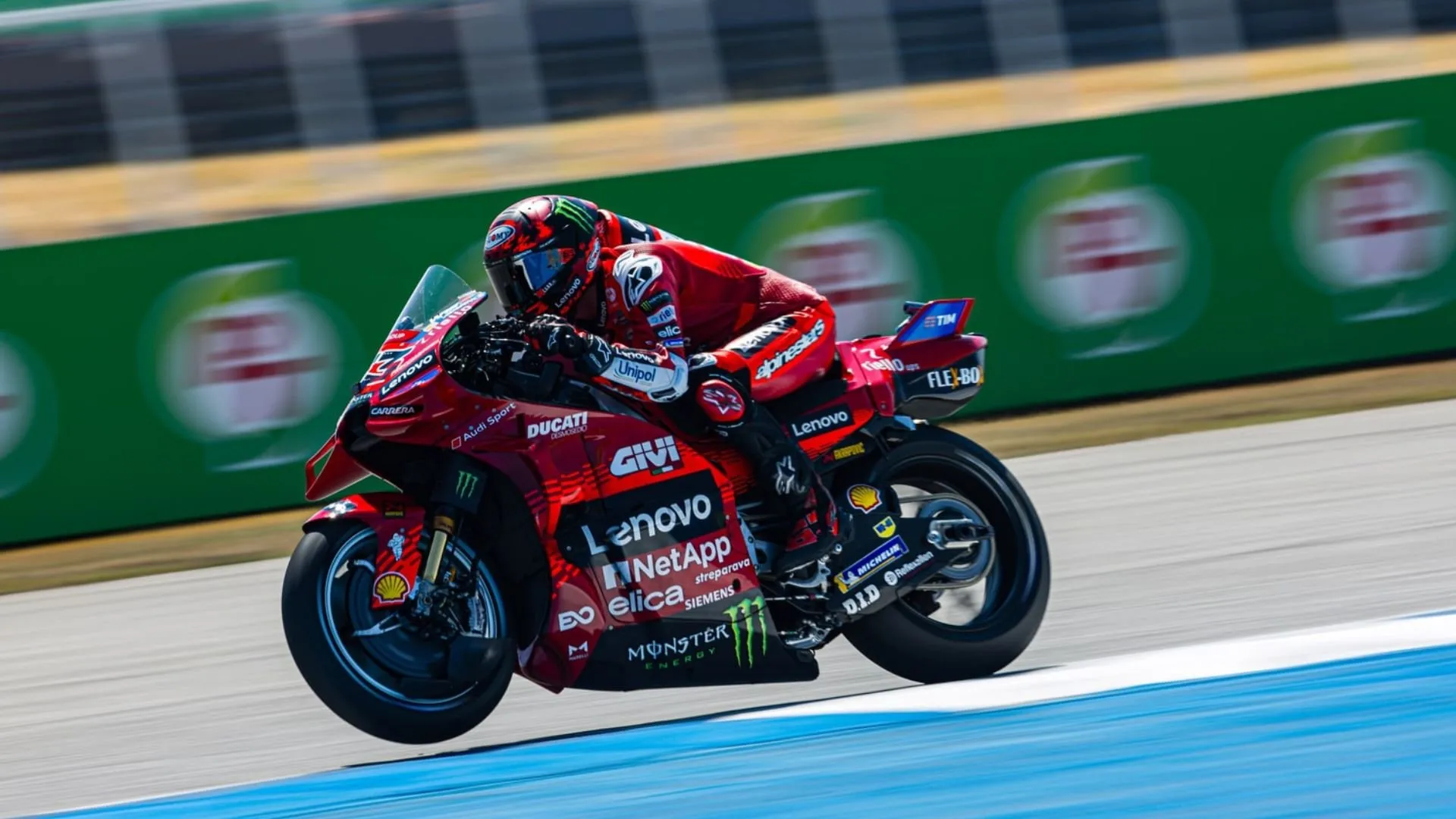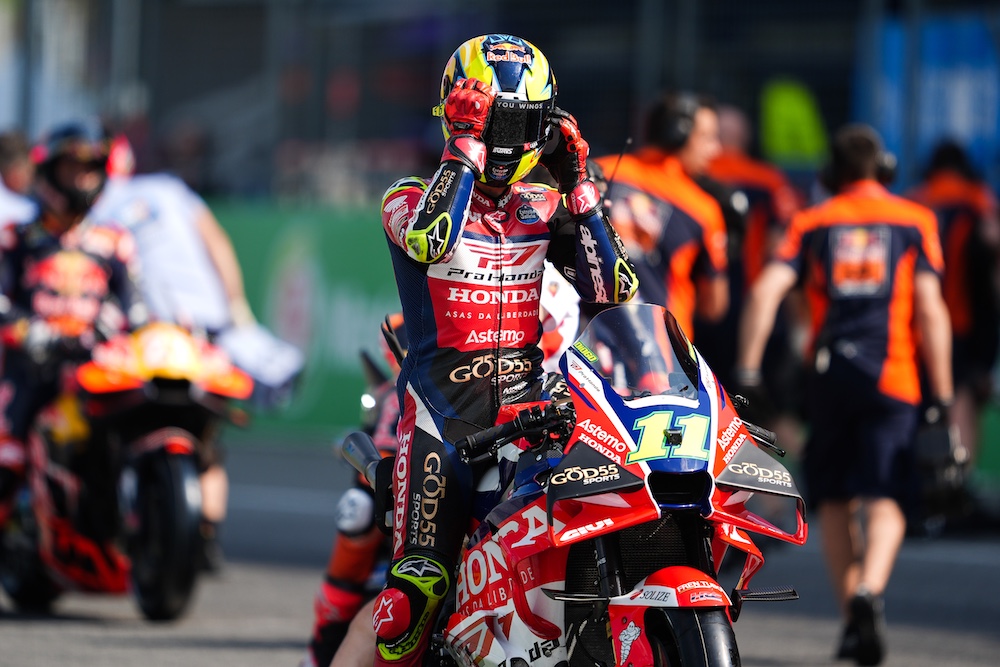
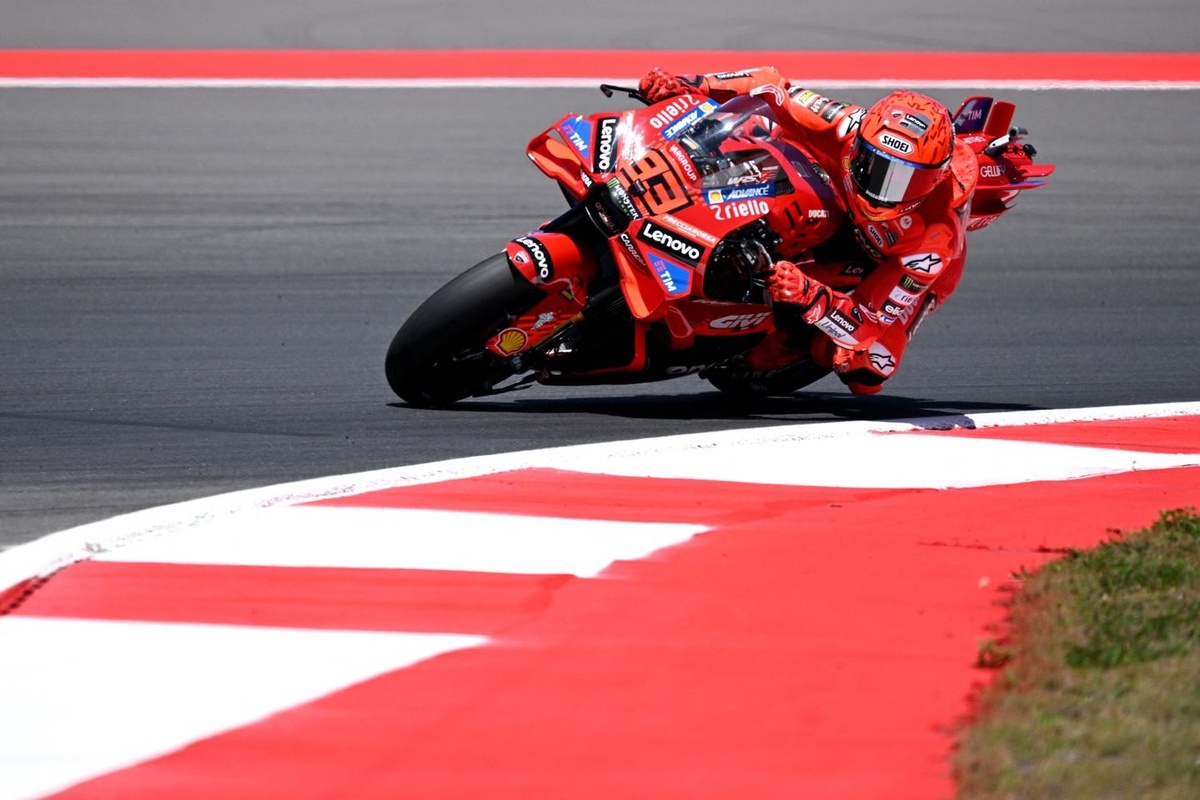

The future of MotoGP is a hot topic, and Marc Marquez, a rider synonymous with pushing limits, has just dropped a bombshell prediction: the 2027 regulation changes, despite aiming for slower top speeds, might not actually slow down the thrill of a full lap.
Key Points:
- Marc Marquez believes MotoGP 2027 bikes will maintain current lap times.
- New rules mandate 850cc engines, reduced aerodynamics, no ride-height devices, and Pirelli tyres.
- The primary aim is to cut dangerous top speeds (currently near 360 km/h) and enhance rider safety.
- Marquez highlights increased agility could offset power and weight reductions.
The Radical Overhaul: What's Changing in MotoGP 2027?
MotoGP is gearing up for its most significant transformation in modern history, with a sweeping overhaul slated for 2027. This isn't just a tweak; it's a foundational shift designed to redefine the sport's high-octane spectacle.
At its core, the regulations introduce 850cc engines, a notable step down from the current 1000cc powerplants. This, combined with a significant reduction in complex aerodynamics, a complete ban on controversial ride-height devices, and a switch to exclusive Pirelli tyres, aims to reset the technological arms race.
Why the Big Shift?
The championship, through MotoGP Sports Entertainment Group, asserts these moves will curb escalating costs for manufacturers and, crucially, lead to slower, inherently safer racing. However, whether "slower" truly translates to less thrilling remains the burning question for fans.
Marquez's Bold Prediction: Speed vs. Agility
Few riders command attention quite like Marc Marquez, and his recent insights into the 2027 regulations have sent ripples through the paddock. The eight-time world champion isn't just observing; he's offering a fascinating forecast for the sport's future.
Addressing the primary goal of reducing extreme top speeds, Marquez voiced his agreement. He emphasized that nearing 360 km/h at many circuits is "unnecessary" for the spectacle and dramatically escalates risk, pushing track run-off areas to their limits.
Yet, here’s where the prediction gets intriguing: while max speeds will drop, Marquez believes full-lap times could remain "very similar, and even faster." His rationale? Shedding weight and horsepower might unlock new levels of agility, allowing riders to attack corners with unprecedented ferocity.
The Uncharted Territory: Adapting to the New Era
Despite extensive planning by the championship and the MSMA (Manufacturers' Association), the practical implications of the 2027 rulebook remain largely in the realm of speculation. Manufacturers are testing, but real-world performance is still years away from confirmation.
Unlike the divisive Formula 1 regulation changes which drew swift criticism from drivers, the MotoGP community is approaching 2027 with a blend of anticipation and uncertainty. No one, not even a titan like Marquez, holds a "magic wand" to predict who will master the new machines first.
Marquez, now with Ducati, acknowledges the upcoming era will be one of "constant evolution" for riders and teams alike. It’s a clean slate, a genuine test of adaptability, and a thrilling prospect for fans eager to witness a new chapter in motorcycle racing.