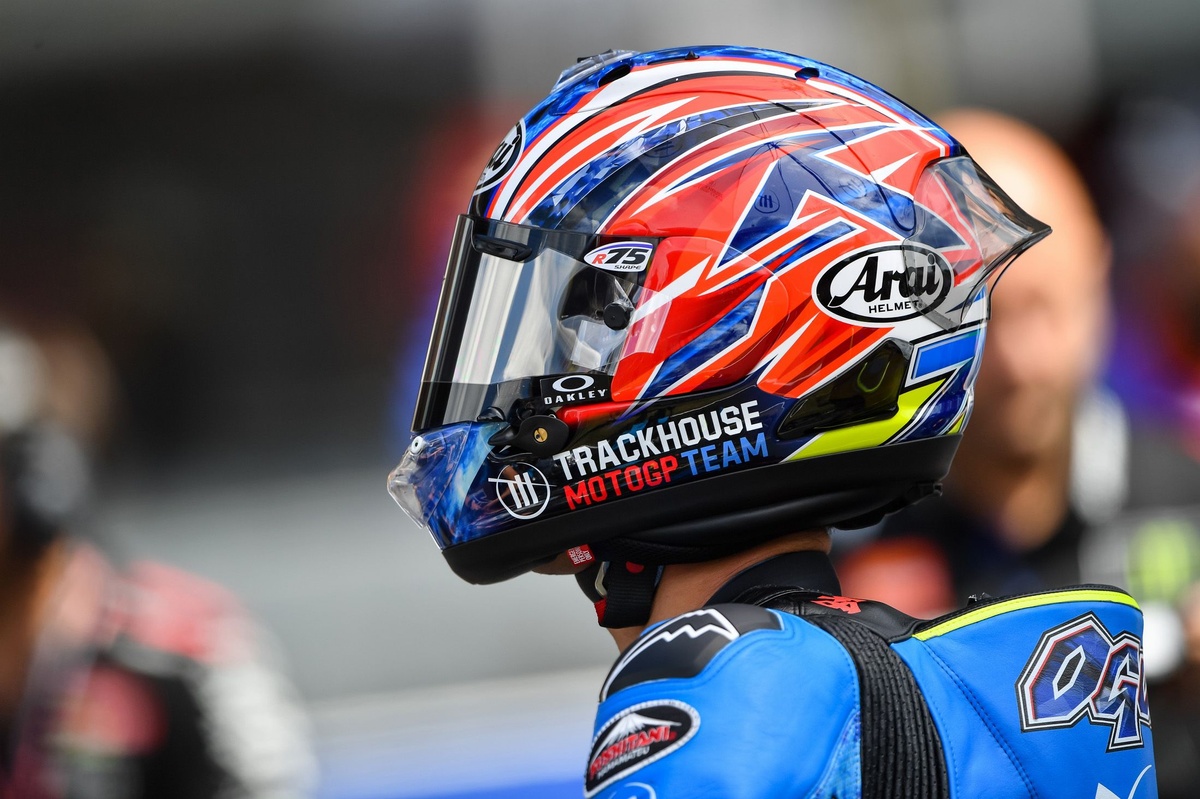
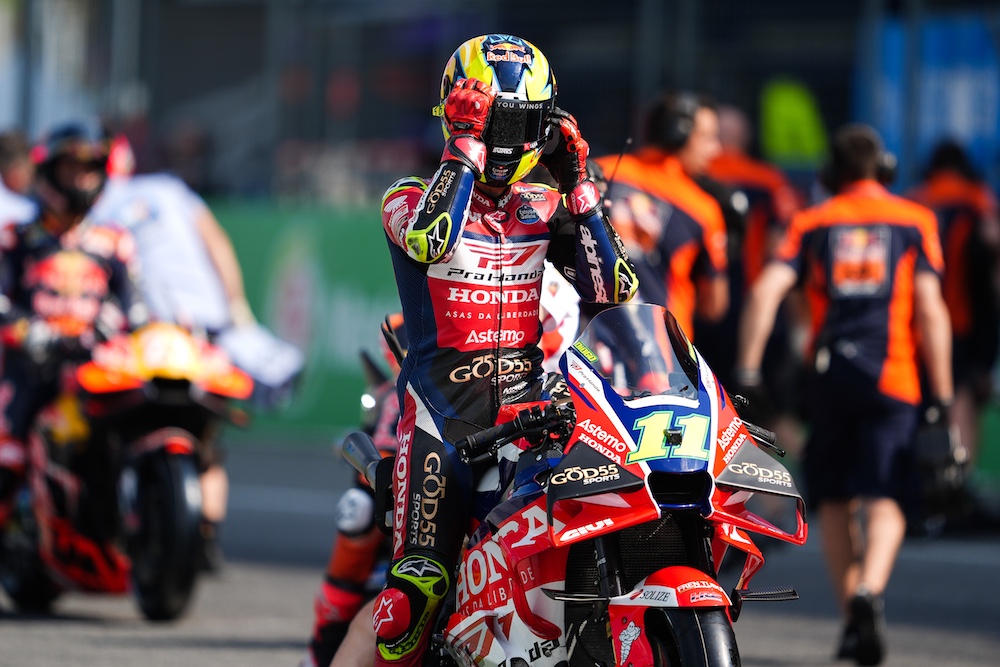

The 2026 MotoGP season began in Thailand with more drama off the track than on it, as a helmet certification crisis threatened to overshadow the racing in Buriram. Riders across all categories were forced to adapt quickly to comply with the FIM’s new safety regulations.
The source of the disruption was the introduction of the FIMFRHPhe-02 homologation standard, officially enforced in 2026. The rules, which were announced three years ago, require stricter impact tests for helmet shells and ensure visors remain securely attached in crashes. Each helmet size also requires separate approval, creating significant challenges for manufacturers.

Indonesian company PT Tara Group, which produces KYT helmets worn by Enea Bastianini and Diogo Moreira, as well as Suomy helmets used by Francesco Bagnaia, faced particular pressure. The specific sizes for these riders’ helmets received homologation only on Thursday afternoon after intensive laboratory testing in Aragon. Certification labels then had to be printed at FIM headquarters in Mies, Switzerland, sparking a tense logistical effort. Complications intensified when the courier’s flight through Doha was affected by airspace closures due to regional conflict.
In the meantime, riders adapted by borrowing helmets from other brands. Bastianini used an Arai helmet temporarily, later switching to an Alpinestars model, while Bagnaia, a Suomy ambassador, received special support from Ducati staff to ensure comfort and performance. To avoid conflicts with sponsors, the borrowed helmets had their logos concealed.
By Sunday’s warm-up session, the crisis had been resolved. All riders returned to the track with their regular helmets, now properly fitted with certified labels, allowing racing to proceed safely. The incident highlighted both the pressures faced by manufacturers to meet evolving safety standards and the adaptability of riders navigating unexpected challenges in the high-stakes world of MotoGP.