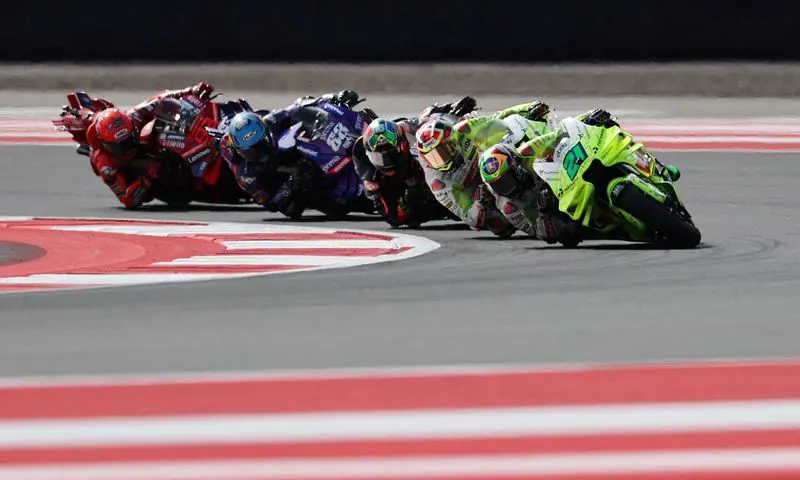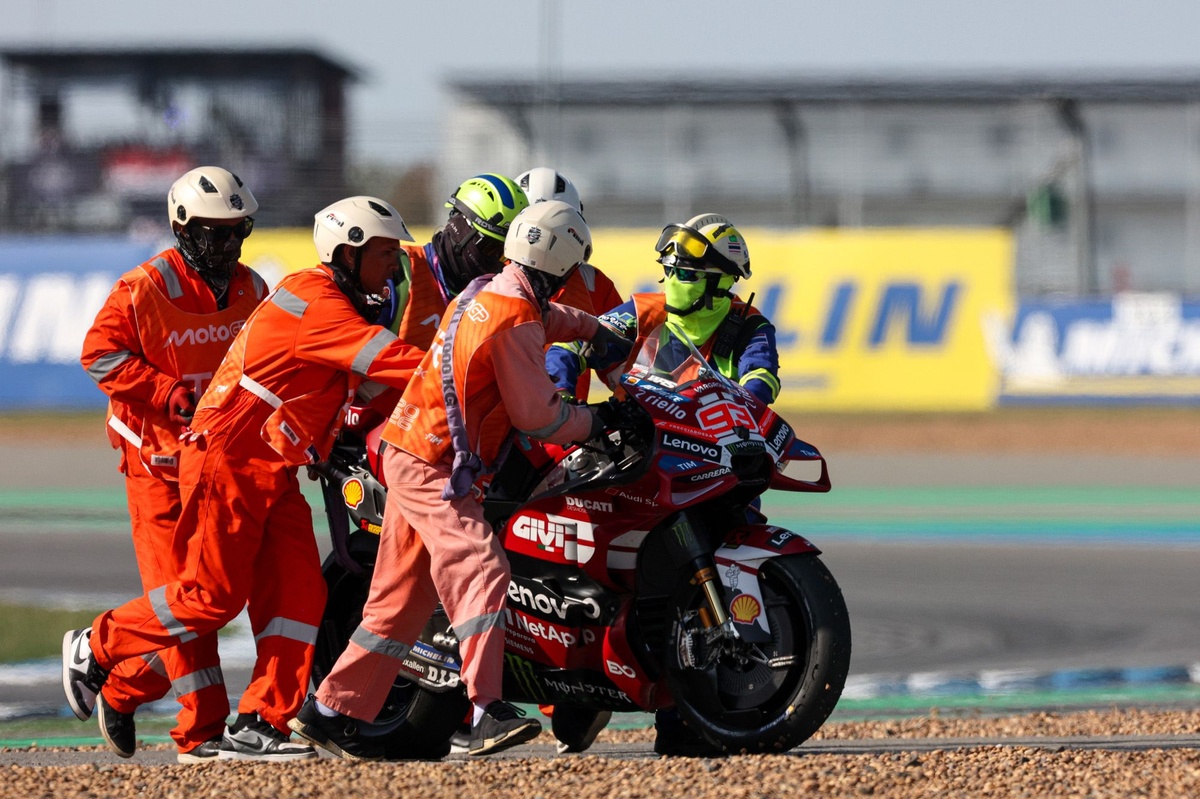

The Thai Grand Prix delivered a historic moment in MotoGP as Ducati’s long-standing podium streak finally came to an end. For the first time since the 2021 British Grand Prix, no Ducati machine stood on the podium, signaling a major shift in the championship landscape.
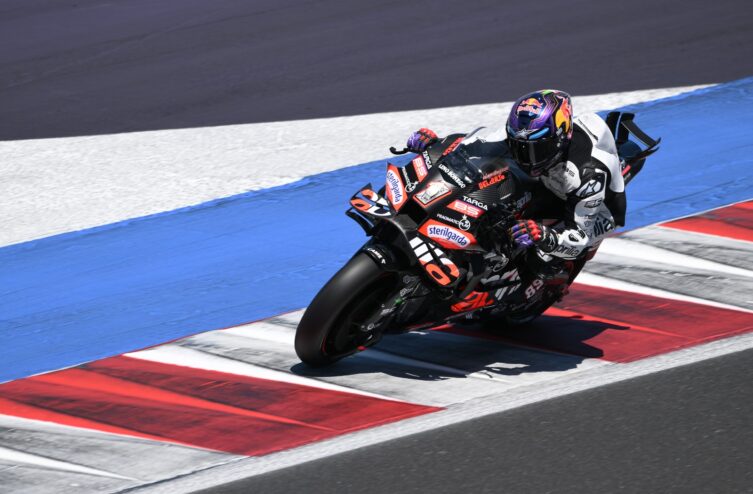
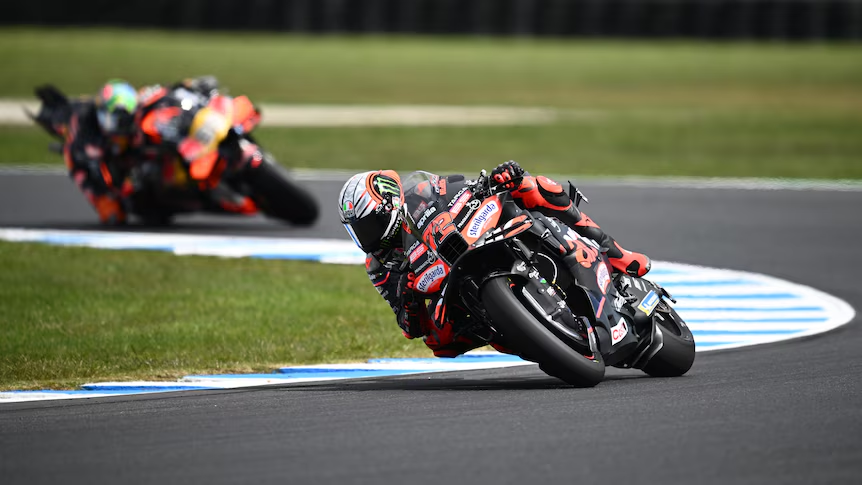
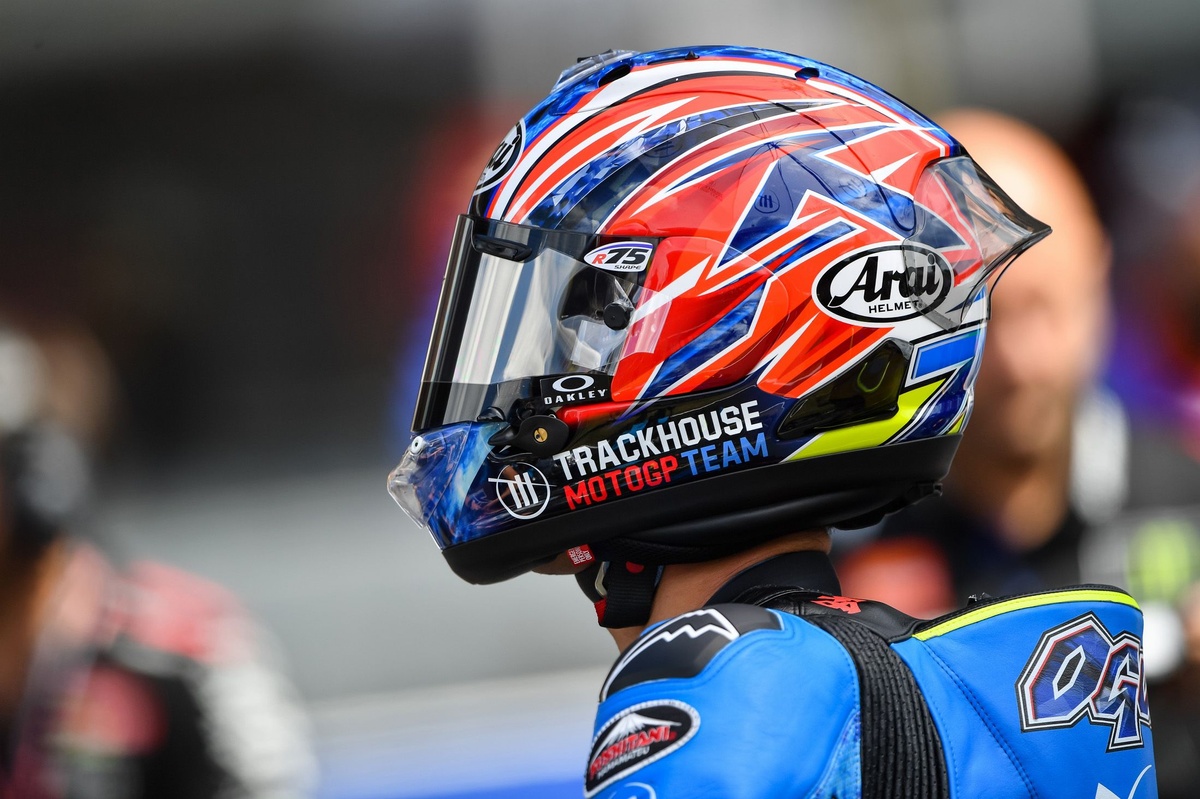
Marco Bezzecchi of Aprilia took a commanding victory at Buriram, followed by KTM’s Pedro Acosta in second and Trackhouse Aprilia’s Raul Fernandez in third. Ducati’s best result came from Fabio di Giannantonio, who finished sixth for VR46, a result influenced by Marc Marquez’s puncture while he was running strongly in fourth.
Ducati’s streak had been one of the most dominant in modern MotoGP. Beginning at Silverstone in 2021, when Fabio Quartararo, Alex Rins, and Aleix Espargaro claimed the podium, Ducati went on to win the next four riders’ championships with Pecco Bagnaia (2022 and 2023), Jorge Martin (2024), and Marc Marquez (2025). Their dominance included multiple multi-bike lockouts, such as a six-bike sweep at Phillip Island in 2024 and a five-bike sweep in Argentina 2025, showcasing unprecedented engineering and riding excellence.
However, signs of competition had been growing. Aprilia, in particular, has steadily closed the gap, with Ducati’s last four-bike lockout occurring at Mugello last season. The streak nearly ended at the Valencia finale, when Di Giannantonio’s last-minute move into third preserved the podium sweep.
Bezzecchi’s win at Buriram is Aprilia’s third consecutive victory, following his wins in Portugal and Valencia at the end of last season. This streak positions Aprilia as a serious contender, challenging Ducati’s dominance and signaling a more open championship battle.
For Ducati, the Thai GP provides an opportunity to reflect. Their legacy of dominance remains remarkable, but the rise of Aprilia and the continued competitiveness of KTM suggest that MotoGP is entering a more unpredictable and exciting era. Fans can now anticipate a season where established hierarchies face unprecedented challenges.