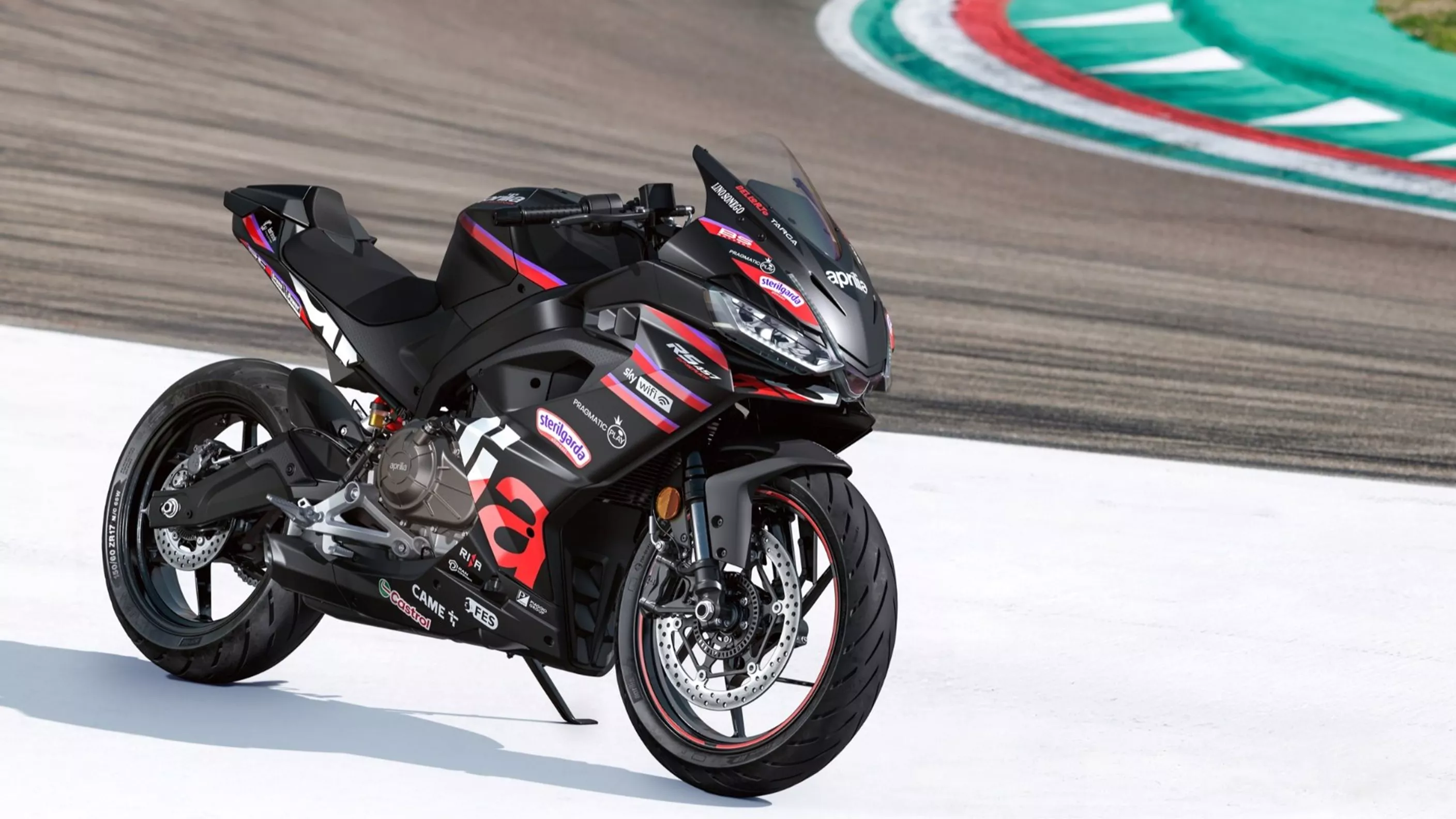

As preparations intensify for MotoGP’s major 2027 regulation overhaul, Aprilia Racing is taking a notably different path from its rivals. While other manufacturers push ahead with early prototype testing, the Italian outfit is deliberately holding back, confident in its strategy for the sport’s next era.
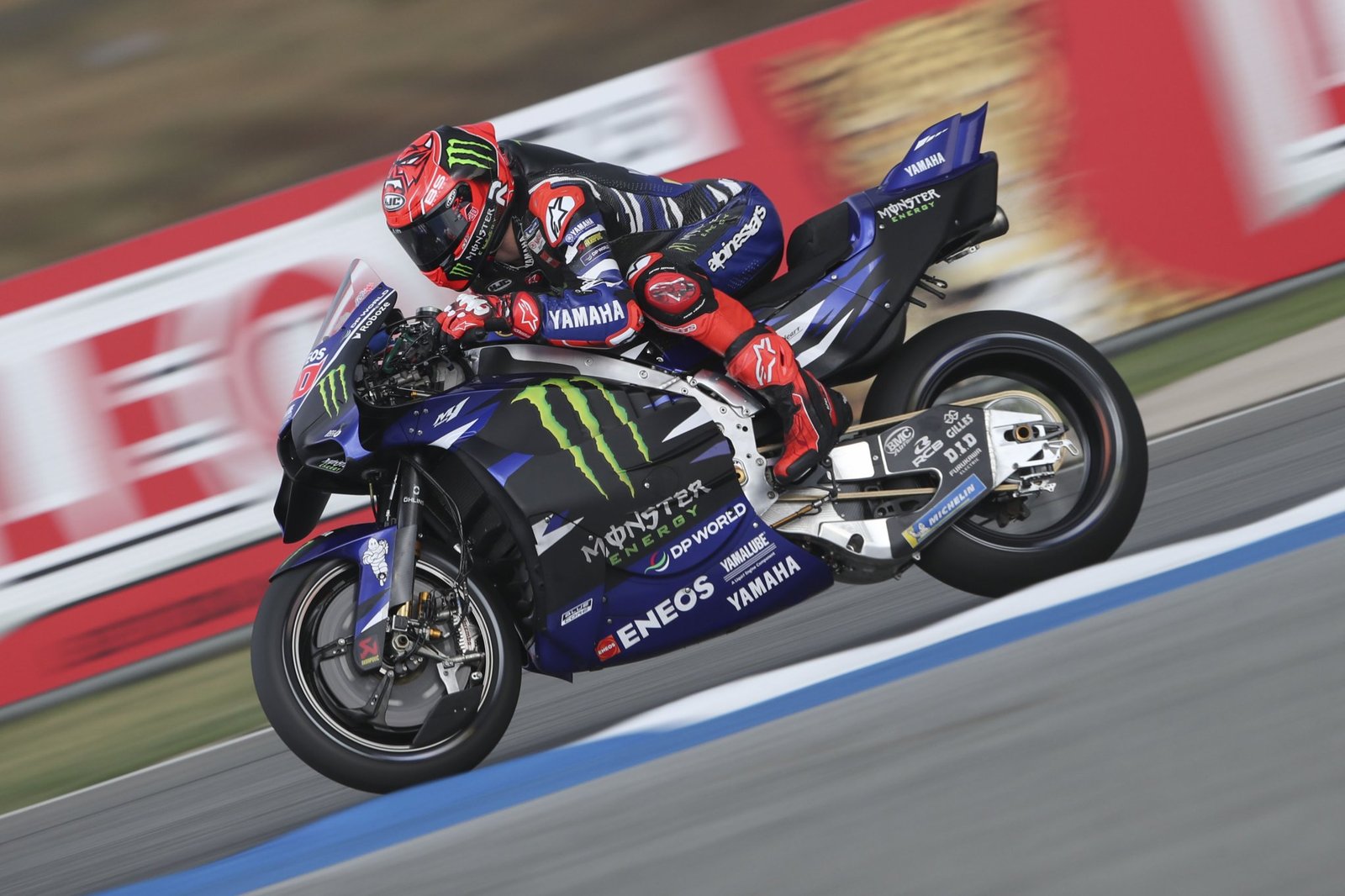
The 2027 season will introduce sweeping changes, including a shift to 850cc engines and tighter aerodynamic restrictions. These updates have triggered an aggressive development race across the grid. KTM Factory Racing was first to test its prototype as early as December, followed by Yamaha Motor Racing and Honda Racing Corporation. Ducati Corse has also joined the effort, with test rider Michele Pirro recently running the GP27 at Misano.
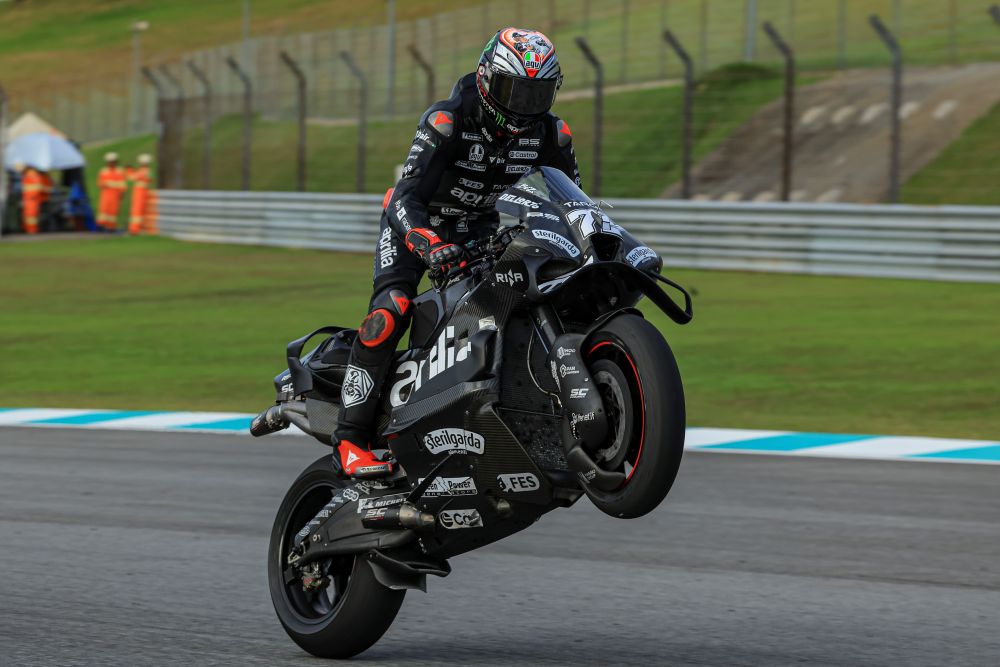
In contrast, Aprilia has yet to officially unveil its next-generation bike. However, this does not reflect a lack of progress. The team has scheduled its first on-track outing at Jerez immediately after the Spanish Grand Prix, where it plans to run a hybrid prototype.
This initial test is not aimed at performance but at gathering key technical data. The focus will be on engine behaviour, electronics, and correlation with dyno results. It represents a foundational phase rather than a full competitive rollout.
Aprilia Racing CEO Massimo Rivola remains confident in the approach. He has indicated that the team is in no rush to reveal its work, pointing to both strategic secrecy and the company’s ability to rapidly translate concepts into race-ready machinery. This emphasis on efficiency has become a defining trait of Aprilia’s recent progress.
Rivola also believes that delaying full testing could be beneficial. By refining development internally before hitting the track, Aprilia aims to maximise the value of each test session rather than accumulate early mileage without clear direction.
Aerodynamics will remain a critical factor despite stricter 2027 regulations. Aprilia’s current bike is widely regarded as one of the fastest on the grid, thanks in part to its advanced aero package. Although new rules will limit design freedom, Rivola expects innovation in this area to continue playing a decisive role.
The challenge for Aprilia will be to maintain its advantage within tighter constraints. The team is already looking at ways to develop efficient solutions that not only improve performance but could also influence its production motorcycles.
As others race to gather early data, Aprilia is placing its bet on precision, timing, and adaptability. Whether this measured approach pays off will become clear when the 2027 machines finally line up on the grid.