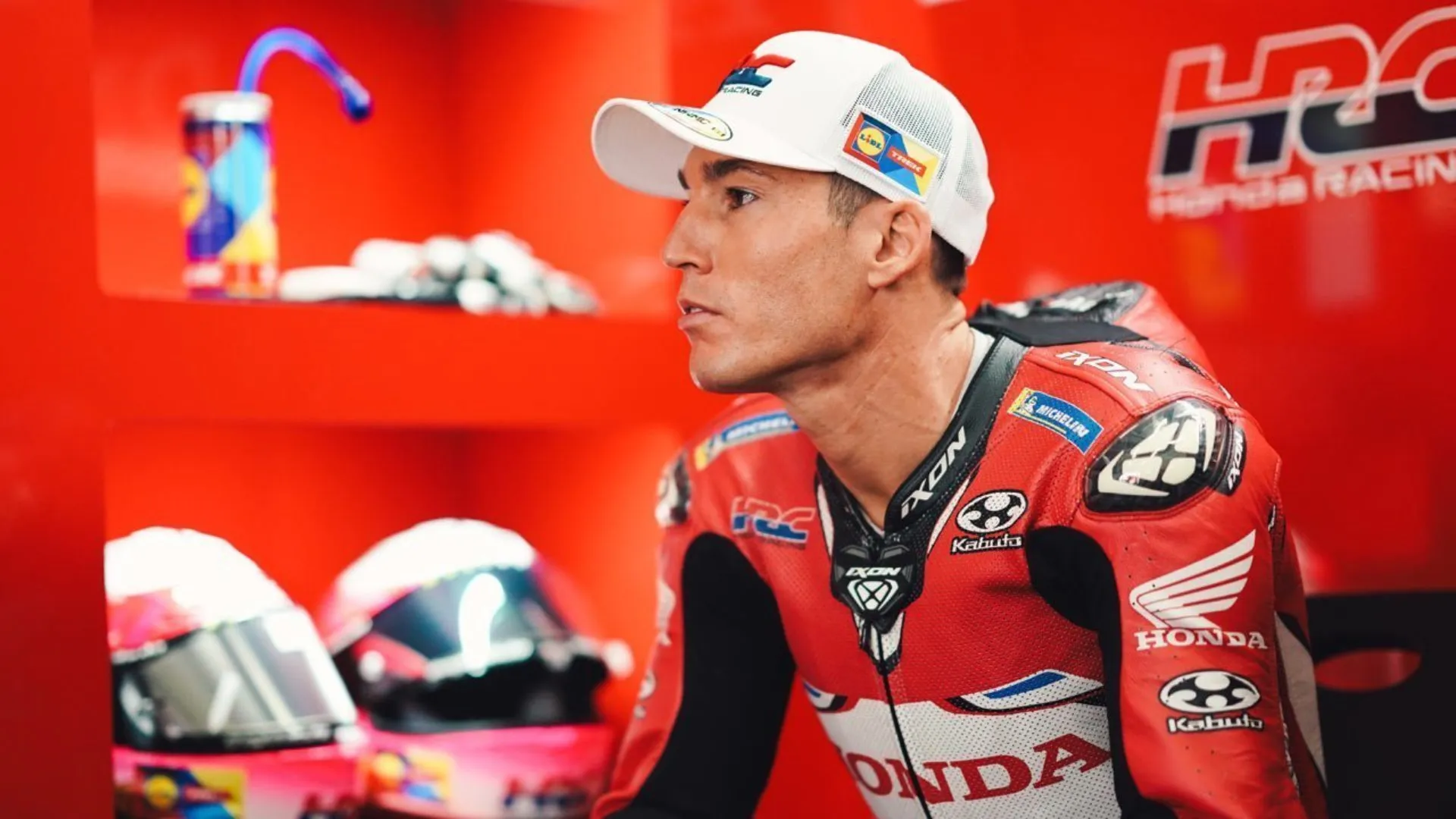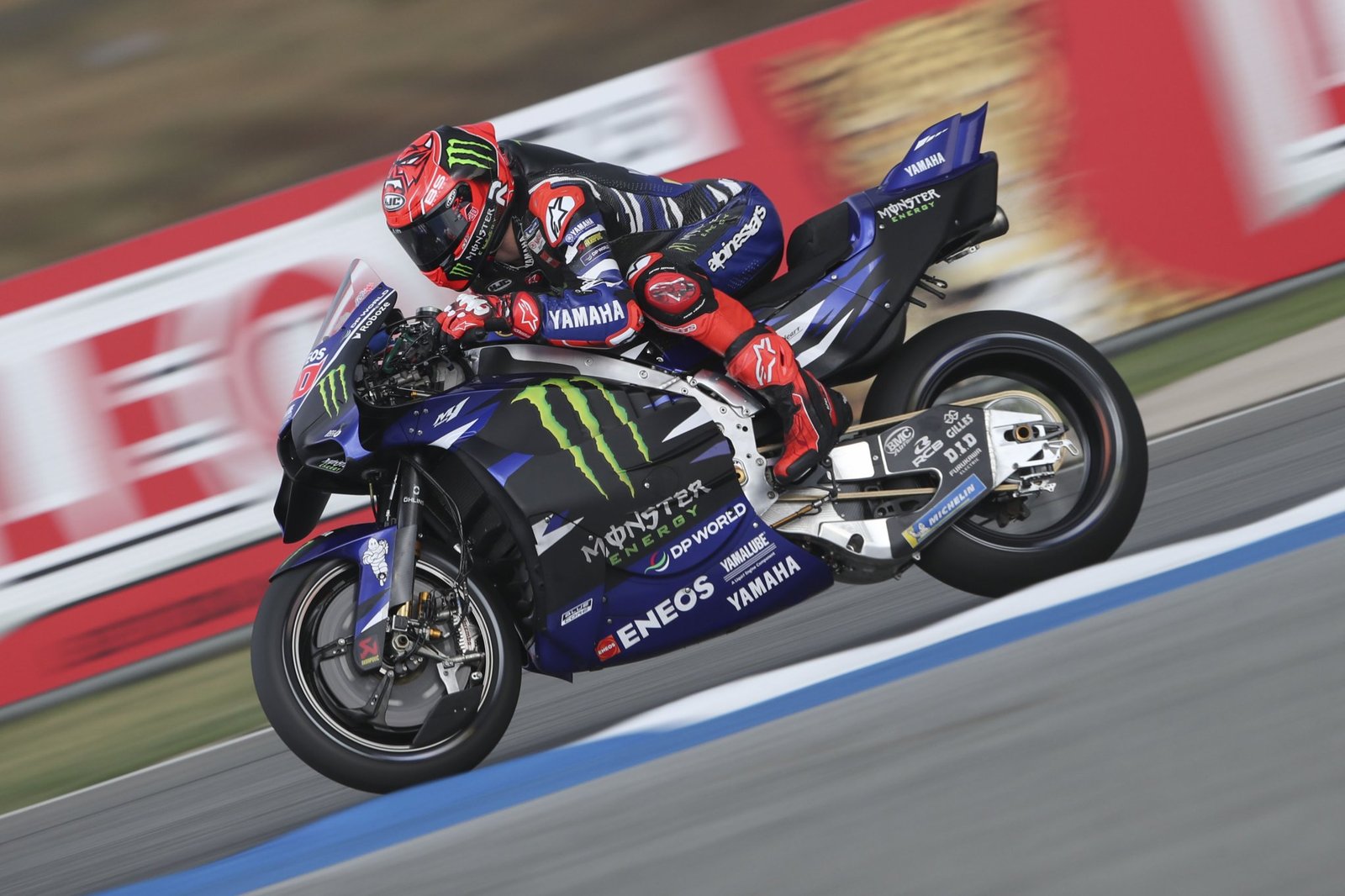


Ai Ogura’s impending move to Yamaha Motor Racing for 2027 is being viewed as one of the most telling blows to Honda Racing Corporation in recent years. More than just a high-profile signing, the transfer reflects deeper organisational challenges within Honda that have been building for some time.
The deal, which came together quickly, caught many in the paddock off guard. Ogura had been widely expected to continue with Trackhouse, the team that supported his rise and helped guide him to the Moto2 world title in 2024. However, Yamaha moved decisively during the United States Grand Prix period, securing one of the grid’s most promising riders and making him its first fully backed Japanese rider in the modern era.
What makes the situation particularly significant is Honda’s long-standing investment in Ogura’s career. The manufacturer played a central role in his development through the junior categories, only to see him walk away before reaching his full potential within its system.
The roots of this split can be traced back to Ogura’s final Moto2 season, when tensions emerged between him and Hiroshi Aoyama, who oversees Honda’s Moto2 and Moto3 programmes. The relationship deteriorated to the point where Ogura sought opportunities elsewhere, eventually joining MT Helmets. From there, he secured the 2024 Moto2 title and a pathway into MotoGP, initially through Trackhouse.
Those internal disagreements have since taken on greater significance. Within Honda, the episode is seen as symptomatic of wider structural issues, particularly a disconnect between Japanese leadership and the European-based personnel managing racing operations.
The consequences of that gap are becoming increasingly clear. Honda has not won a MotoGP title since 2019, a period when Marc Marquez’s dominance masked underlying weaknesses. Insiders suggest that the team’s internal processes and decision-making structures have struggled to evolve in line with the rapidly advancing European manufacturers.
Ogura’s departure is therefore seen less as an isolated case and more as a reflection of a broader trend. In a competitive environment where rider development and retention are critical, losing a homegrown talent to a direct rival underlines the cost of internal misalignment.
For Yamaha, the move represents a strategic win and a step toward rebuilding its future line-up. For Honda, it serves as a stark reminder that success in MotoGP now depends not only on technical performance, but also on the ability to manage talent effectively across all levels of the sport.