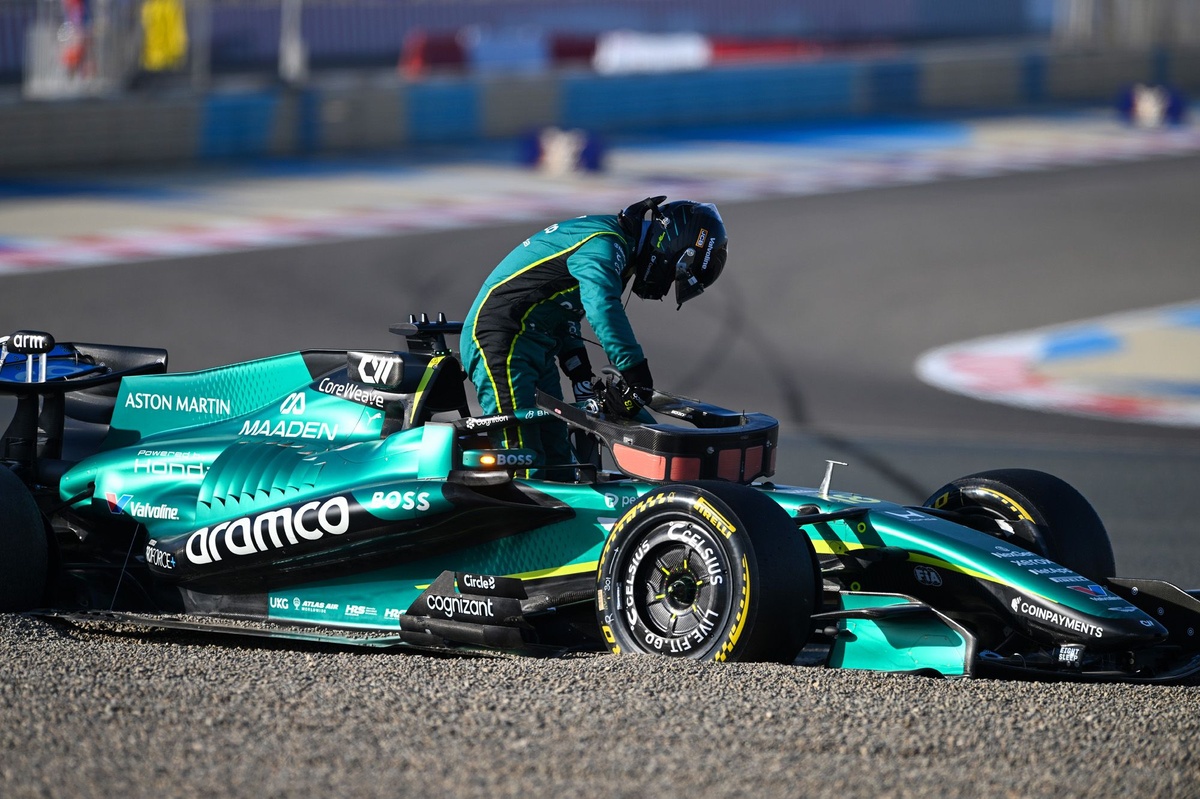

Aston Martin F1: Honda Engine Vibrations Risk Driver Nerve Damage
The Aston Martin F1 dream is facing a nightmare scenario, not just of pace, but of driver safety, as shocking revelations surface about their new Honda power unit. Team boss Adrian Newey has unveiled a terrifying reality: severe engine vibrations are so intense they risk permanent nerve damage to Fernando Alonso and Lance Stroll, potentially forcing early retirements at the Australian Grand Prix.
Key Takeaways:
- Honda engine vibrations are extremely severe, impacting driver safety.
- Fernando Alonso can manage only 25 laps; Lance Stroll just 15 laps before risking permanent nerve damage.
- Aston Martin expects to retire both cars early in the Australian Grand Prix due to these issues.
- Reliability problems extend beyond driver comfort, affecting critical car components like battery units and mirrors.
Driver Safety in Peril: The Alarming Truth
The full extent of the problem emerged from comments by Adrian Newey. He revealed the vibrations are so pronounced that they are transmitted directly into the drivers' hands. This makes extended stints in the cockpit a direct threat to their long-term health.
Fernando Alonso, the two-time world champion, reportedly fears permanent nerve damage if he exceeds 25 consecutive laps. For his teammate, Lance Stroll, that threshold is even lower, at a concerning 15 laps. This isn't just about performance; it's about the very well-being of the athletes.
Crisis Down Under: Melbourne's Dire Outlook
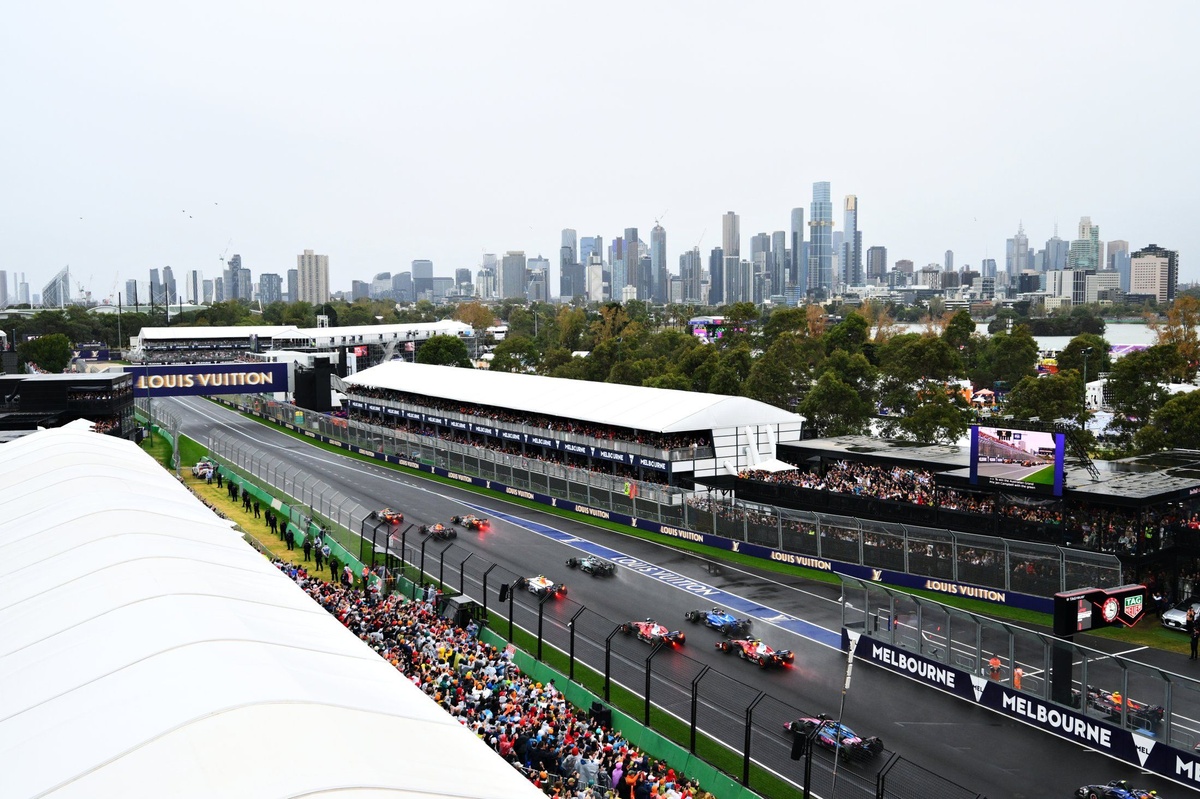
The situation casts a heavy shadow over the upcoming Australian Grand Prix. Aston Martin has confirmed they are heading to Melbourne fully anticipating limited race mileage and potential double retirements. The priority is to manage the issue and protect their drivers, even if it means sacrificing race results.
While a temporary dyno-tested solution has reduced vibrations into the battery unit, the core problem remains. The carbon chassis, naturally stiff, transmits the power unit's intense vibrations straight into the cockpit, creating not just discomfort but a serious safety hazard.
Despite temporary fixes, including adjustments to the battery unit and other sensitive components, the core problem remains unresolved. As a result, Aston Martin may have no choice but to retire both cars early at the Australian Grand Prix to safeguard their drivers. The situation not only threatens their opening race performance but also highlights the significant challenges of integrating the new Honda power unit, casting a long shadow over their early-season ambitions.
Downforce, Data and DNF Fears
With mirrors and other components reportedly detaching mid‑run under stress, the team’s focus has shifted away from outright pace and toward protecting their drivers and simply gathering as much information as possible. Despite the bleak outlook, Newey and Honda executives remain committed to addressing the issue as the season progresses, even if that means a slow start to what was supposed to be a competitive year.