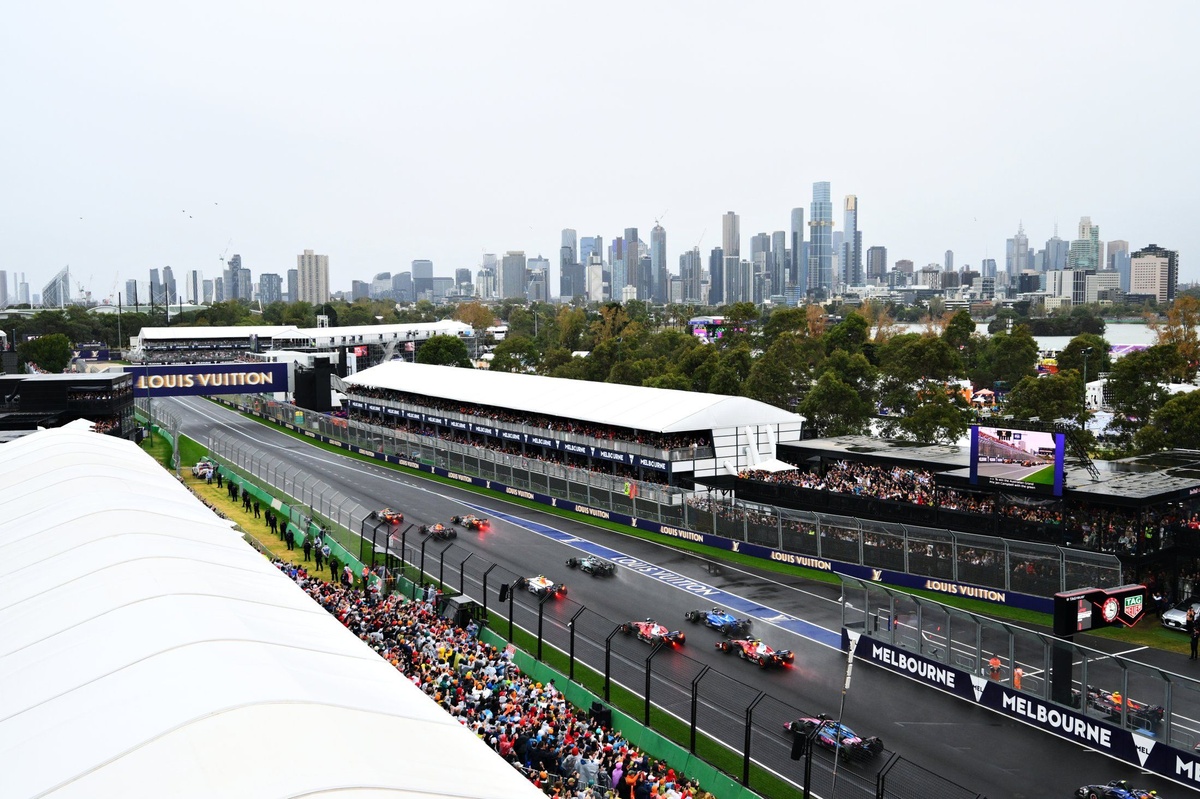

The roar of Formula 1 engines is set to electrify Melbourne this weekend, a testament to the sport's resilience amidst global tensions and logistical nightmares. While the world grapples with the escalating conflict in the Middle East, the Australian Grand Prix is full steam ahead, thanks to extraordinary efforts by teams and the governing body.
Melbourne Grand Prix: Green Light Despite Global Turbulence
The 2026 Formula 1 season opener in Melbourne is officially on, with all teams and essential personnel arriving despite unprecedented travel complications. Recent escalations in the Middle East, including retaliatory strikes affecting key aviation hubs like Dubai, Abu Dhabi, and Doha, created a monumental challenge for the globe-trotting sport.
F1 acted swiftly, chartering alternative flights through Tanzania and Singapore to ensure staff critical to the event's operation reached Australia. Most personnel arrived by Tuesday evening, showcasing the incredible logistical capabilities behind the scenes.
How Teams Battled the Clock
The ripple effect of these travel disruptions meant many personnel faced delayed arrivals. Recognizing the extraordinary circumstances, teams collectively petitioned the FIA to relax the standard paddock curfews. The governing body responded by announcing a "force majeure" ruling, waiving the usual restrictions for Wednesday and Thursday nights.
This critical decision allows team members more flexibility to work on their cars, ensuring they are fully prepared for the weekend's racing. Without this waiver, teams would have been severely hampered in their final preparations, potentially impacting the competitive integrity of the grand prix.
Middle East Shadow Looms Over Future F1 Calendar
While Melbourne prepares for action, the focus inevitably shifts to future rounds. Staff from McLaren and Mercedes, who were slated for a Pirelli tyre test in Bahrain, faced immediate danger and were safely evacuated earlier this week. This test was cancelled after the US Navy Fifth Fleet's headquarters in Manama was targeted by drones and missiles.
The incident underscores the volatility in the region, casting a long shadow over the upcoming Bahrain and Saudi Arabian Grands Prix. The FIA World Endurance Championship has already postponed its pre-season test and season opener in Qatar, setting a precedent for other motorsport series.
The Tough Choices Ahead for F1 Management
Although F1 has a five-week buffer before it's due in Bahrain, a final decision cannot wait indefinitely due to massive logistical requirements. Speculation suggests the sport's management will make a critical call between the Chinese and Japanese rounds.
The possibility of replacing the Middle Eastern races with last-minute alternatives seems unfeasible given the colossal commercial and logistical hurdles. Mercedes team boss Toto Wolff articulated the gravity of the situation, stating, "With the ongoing situation in the Middle East, it seems trivial to talk about sport. We watch the developing events in the region with concern and hope that the protection of civilian life remains paramount."
He added that the FIA and F1 would continue to monitor events and make the necessary safety decisions in real time, balancing the integrity of the championship with the well-being of teams, drivers, and staff. Contingency plans are reportedly in place, including potential schedule reshuffles or temporary relocation of logistical hubs, but no firm alternatives have been confirmed.
Teams are closely coordinating with local authorities, embassies, and security consultants to ensure any travel to Bahrain or Saudi Arabia meets the highest safety standards. Meanwhile, insiders suggest that discussions are ongoing about whether certain personnel could limit exposure by conducting remote operations or staggered travel.
As the sport navigates these unprecedented challenges, the overarching priority remains clear: maintaining the F1 calendar while safeguarding human life, even if that means tough compromises on racing continuity and fan experience.