
Are Formula 1's biggest stars steering the sport towards a crisis, or are their blunt critiques of the 2026 regulations a vital call for change? With new cars and radically different power units looming, the grid's top talents are sounding alarms, sparking a heated debate across the paddock and among fans about the very direction of F1.
Key Points:
- Max Verstappen and Lewis Hamilton have voiced strong concerns about the 2026 F1 regulations and car design.
- The debate centers on whether public criticism from drivers is constructive feedback or potentially harmful to the sport's image.
- Historically, driver input, like Sir Jackie Stewart's safety campaign, has driven significant positive change in Formula 1.
- Many argue drivers, as the ultimate performers, have an obligation to speak up about fundamental issues.
F1's Future Under Fire: The Driver's Perspective
The Formula 1 landscape is constantly evolving, with new technical regulations always bringing a mix of anticipation and apprehension. The upcoming 2026 season, in particular, is generating intense discussion due to a fundamental shift in car design and power unit philosophy. Drivers, the very heart of the spectacle, are now at the forefront of this conversation, openly questioning the proposed changes.
The Weight of a Champion's Word: Constructive vs. Destructive Criticism
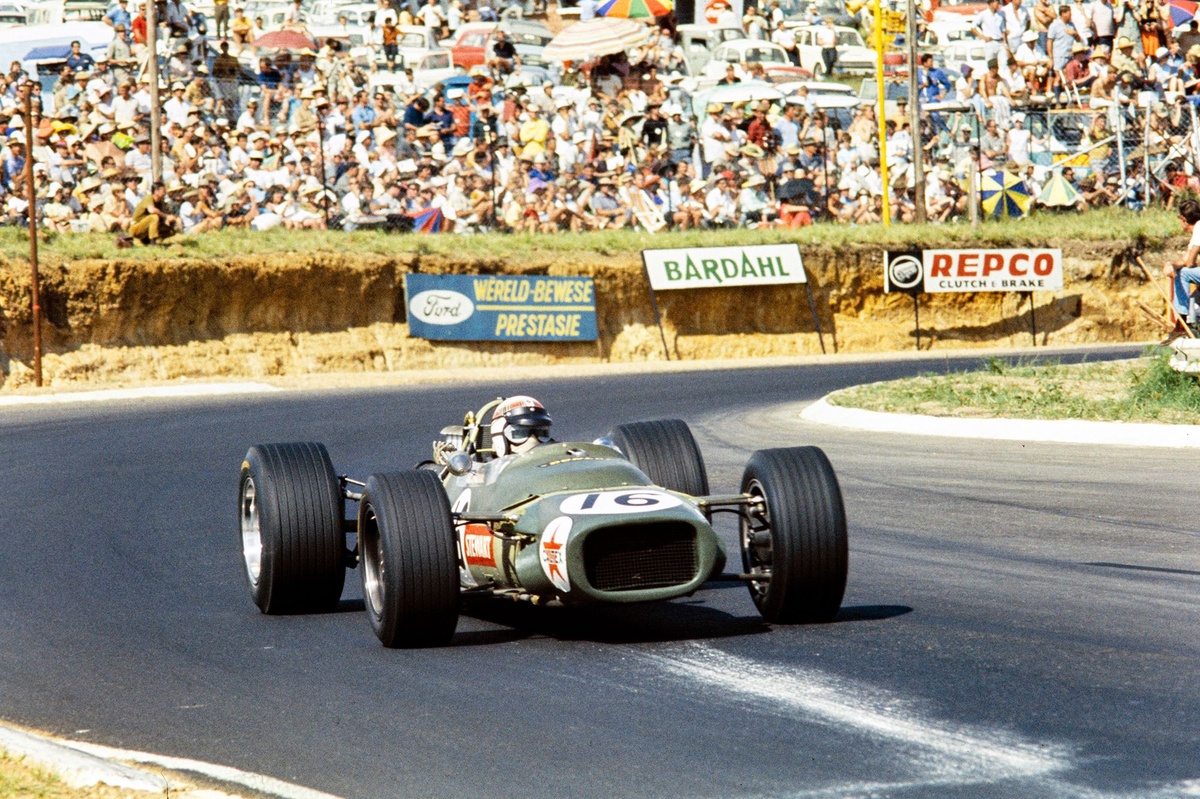
It's undeniable that drivers have a crucial role in shaping F1's future. Icons like Sir Jackie Stewart famously leveraged their platform in the 1970s to advocate for safety, fundamentally changing the sport for the better. This precedent underscores the power of a driver's voice. However, some argue there's a fine line between impactful criticism and unhelpful soundbites.
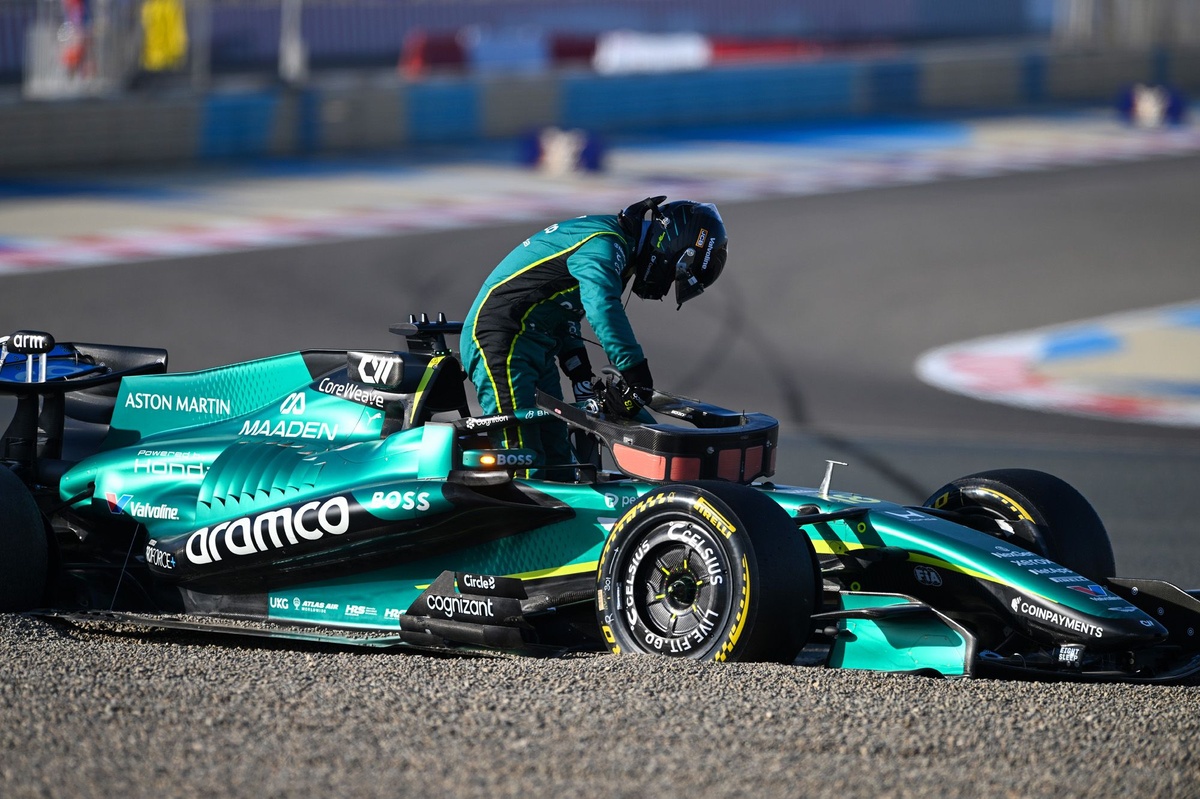
When champions like Lewis Hamilton label future cars with a "GP2 feeling" or Max Verstappen describes them as "Formula E on steroids," it certainly grabs headlines. Yet, such immediate, visceral reactions, often given after limited track time, can be seen as lacking the deeper analysis required to truly address the complex issues at hand. The proposed 2026 power units, with their emphasis on an oversized electric motor, present a genuine technical challenge that demands more than mere accusations.
Inside the Cockpit: Why Driver Voices Matter Most
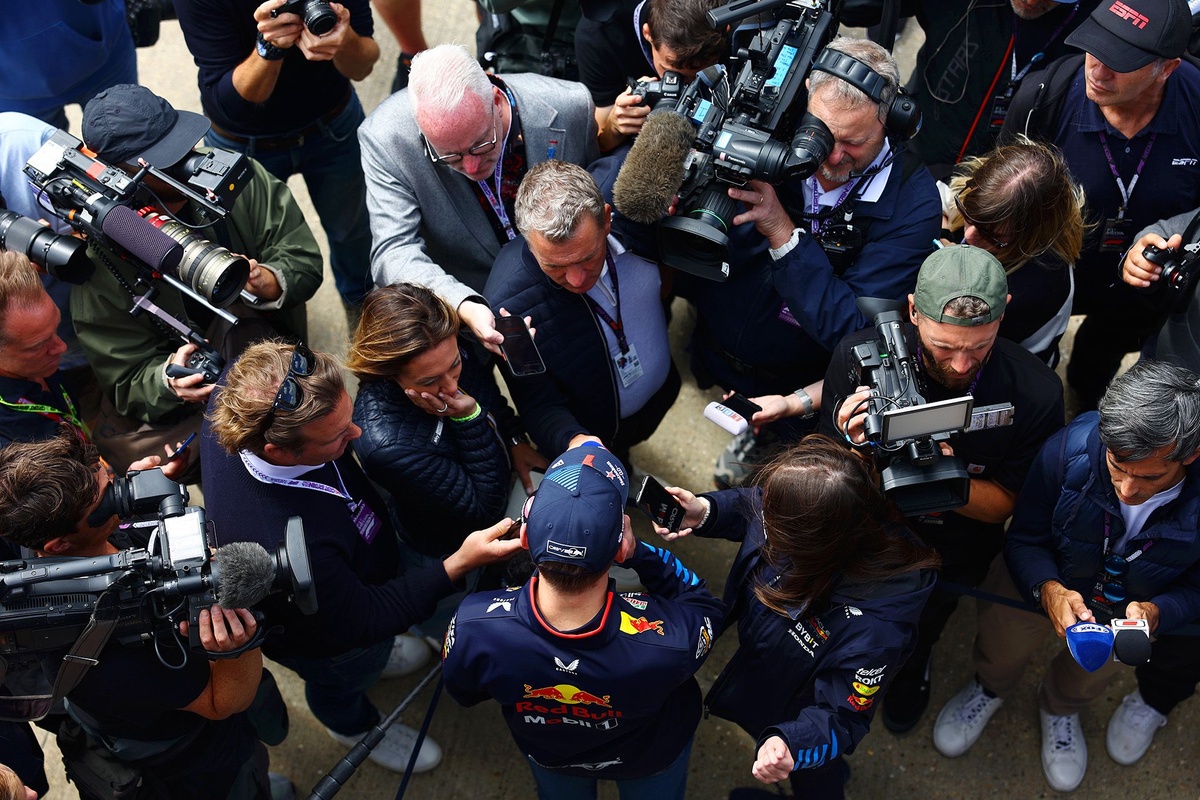
From another perspective, the drivers are the ultimate experts. They strap into these incredibly complex machines, pushing them to their limits, risking everything each race weekend. Therefore, their satisfaction and belief in the sport's direction are paramount. If the core protagonists aren't thrilled with the product, how can F1 expect fans to be?
For many, drivers aren't just entitled to criticize; they are obligated to. They offer an unparalleled, firsthand understanding of how regulations truly impact performance, safety, and the racing experience. This unfiltered feedback, even when blunt, is seen as essential for accountability and continuous improvement. To dismiss their concerns as mere "complaining" is to miss the crucial input they provide.
Beyond the Track: The Spectacle of Debate
Beyond the technical merits, there's an undeniable element of theatre to Formula 1. The sport thrives on drama, rivalry, and passionate opinions. When star drivers openly debate the future of F1, it generates buzz, fuels media narratives, and keeps the sport in the spotlight. "Bad publicity" often still translates to increased interest.
Consider the immense curiosity that will surround the 2026 season precisely because of these early, controversial comments. Will the cars indeed be as challenging as predicted? This public discourse adds another layer of excitement, an off-track spectacle that complements the racing itself. Fans want to hear authentic voices, and drivers delivering unfiltered opinions—even critical ones—contributes to the "grand circus" appeal of F1.
Free Speech vs. Strategic Feedback
Ultimately, a balanced approach is key. All parties in F1 – including teams, officials, and drivers – should have the freedom to express their views. However, true value comes from constructive criticism, feedback genuinely aimed at improving the product, rather than serving self-interest or simply reacting to a ruleset that doesn't favor one's current setup. The "GP2 engine" comment by Fernando Alonso is a testament to how viral and impactful such critiques can become.
When experienced, influential drivers like Hamilton, Verstappen, or Alonso speak, Formula 1 and the FIA must listen. While it's premature to make final judgments on the 2026 regulations before they hit the track in anger, the collective apprehension from inside the cockpit signals a critical juncture for the sport. Addressing these concerns now, with open dialogue and a commitment to evolution, will be vital for F1's long-term success.