
The world of Formula 1 is notoriously brutal for newcomers, yet history is littered with audacious entries that defied expectations. As Cadillac and Audi prepare their grand arrivals in 2026, it's the perfect time to rewind and celebrate the most impactful and jaw-dropping debut performances by new teams in championship history. These aren't just stories of survival; they're tales of instant pace, strategic brilliance, and sheer grit.
Key Highlights from F1's Most Electric Debuts:
- Brawn GP's fairytale 1-2 finish in 2009 following a dramatic team rescue.
- Mercedes' (1954) overwhelming 1-2 domination that shattered Italian supremacy.
- Wolf Racing's shock victory in the 1977 Argentinian GP against all odds.
- March Engineering grabbing a podium finish in their very first race with Jackie Stewart.
Brawn GP (2009): The Ultimate Cinderella Story
Result: 1st (Jenson Button), 2nd (Rubens Barrichello)
The 2009 Australian Grand Prix remains one of F1's most incredible opening chapters. From the ashes of Honda's withdrawal, Ross Brawn orchestrated a last-minute buyout, securing Mercedes engines and unleashing the revolutionary BGP 001 with its controversial double-diffuser.
Few expected miracles, but Jenson Button and Rubens Barrichello stunned the paddock by locking out the front row. Button then delivered a flawless performance, leading every single lap for a fairytale victory. Barrichello, despite a messy start, battled back to complete a sensational 1-2 as rivals faltered. It wasn't just a win; it was a defiant statement that launched an improbable championship double.
Mercedes (1954): Silver Arrows' Immediate Dominance
Result: 1st (Juan Manuel Fangio), 2nd (Karl Kling), Retired (Hans Herrmann)
When Mercedes returned to Formula 1 at the 1954 French Grand Prix, it wasn't just an entry; it was an invasion. With a legacy of pre-war supremacy, the pressure was immense. The iconic, streamlined W196s lived up to every expectation, with Juan Manuel Fangio on pole, nearly a full second faster than the reigning world champion, Alberto Ascari.
Fangio and Karl Kling immediately asserted their authority, exchanging the lead before crossing the finish line in a commanding 1-2, a full lap ahead of the competition. Though Hans Herrmann's engine failed from third after setting the fastest lap, Mercedes' technical brilliance and preparation were undeniable. This wasn't just a debut; it was a re-establishment of power that sent shockwaves through the sport.
Wolf Racing (1977): The Unlikely Argentinian Triumph
Result: 1st (Jody Scheckter)
The 1977 Argentinian Grand Prix delivered one of Formula 1's most unexpected victories. Wolf Racing, a rebranded entity from Frank Williams Racing Cars, rolled out their solitary WR1 with Jody Scheckter behind the wheel. Qualifying a modest 11th, nobody predicted what was to come.
However, a brutal race of attrition saw the favorites crumble. Giants like Niki Lauda, James Hunt, and Mario Andretti all succumbed to various issues. Scheckter, driving with remarkable consistency and patience, steadily climbed through the field. With just five laps remaining, he snatched the lead from a struggling Carlos Pace to clinch a sensational debut win. It was a victory born from reliability and steady hands, proving that a well-executed strategy could trump raw pace on a challenging day.
March Engineering (1970): Debut Podium Power
Result: 3rd (Jackie Stewart), 10th (Jo Siffert), Retirements (Johnny Servoz-Gavin, Mario Andretti, Chris Amon)
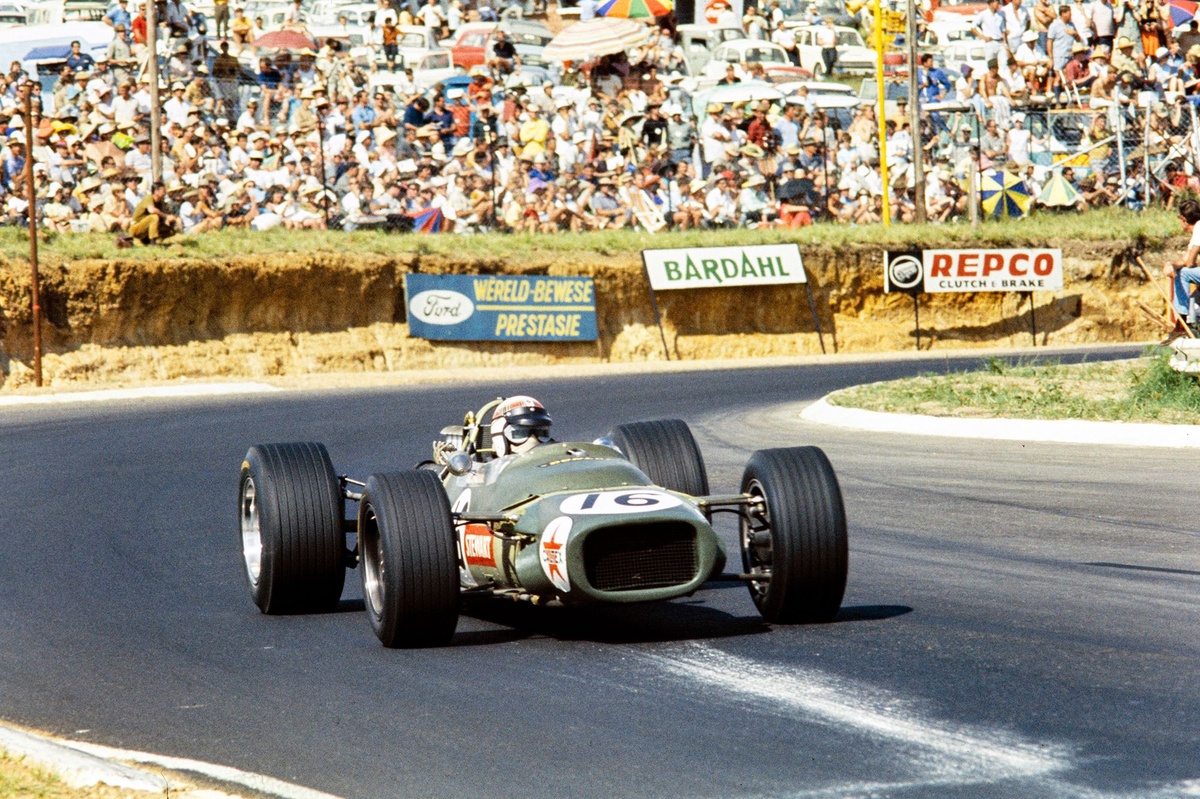
Launching into Formula 1 by fielding five cars in your debut race is audacious; securing a podium is extraordinary. March Engineering did just that at the 1970 South African Grand Prix. In the March 701, the reigning world champion Jackie Stewart put the car on pole position.
Stewart led initially, demonstrating the new car's raw speed. While he couldn't hold off Jack Brabham's charge, he still guided the March to an impressive third-place finish. Despite reliability issues for other entries, this debut showcased immense potential. March finished third in the constructors' standings that year, a testament to their immediate impact and competitive offering.
Red Bull Racing (2005): The Birth of a Modern Giant
Result: 4th (David Coulthard), 7th (Christian Klien)
Before their era of dominance, Red Bull Racing made an undeniably strong entry at the 2005 Australian Grand Prix. Taking over the Jaguar operation, the Cosworth-powered RB1 proved surprisingly competitive. Assisted by challenging, wet qualifying conditions, David Coulthard and Christian Klien started from the third row.
Coulthard was aggressive from the start, jumping to third and holding his ground against seasoned competitors like Mark Webber. He ultimately secured a fantastic fourth-place finish, with Klien adding points in seventh. This strong debut instantly placed Red Bull third in the constructors' table and signaled their intent to become a serious force in the sport.
Sauber F1 (1993): Group C Pedigree on Show
Result: 5th (JJ Lehto), Retired (Karl Wendlinger)
Having honed their craft and achieved success in Group C sportscar racing with Mercedes, Sauber arrived in Formula 1 in 1993 with a solid foundation. Their extensive preparation, including a year out of competition, paid dividends at the South African Grand Prix.
JJ Lehto qualified an impressive sixth. Despite an early gearbox issue that dropped him two laps down, Lehto's blistering pace saw him set a fastest lap only bettered by winner Alain Prost. Capitalizing on others' misfortunes and a late rain shower, Lehto fought back to snatch fifth place. This debut highlighted Sauber's well-engineered machine and their readiness to compete for points from day one.
Haas F1 (2016): A Modern-Era Points Shocker
Result: 6th (Romain Grosjean), Retired (Esteban Gutierrez)
In the hyper-competitive 21st-century F1 landscape, immediate impact from a new team is rare. Yet, Haas F1 defied all expectations at the 2016 Australian Grand Prix. Starting a lowly 19th, their debut was anything but predictable.
The race saw a dramatic crash involving Esteban Gutierrez and Fernando Alonso, bringing out a red flag. This strategic pause allowed Haas to gamble on Romain Grosjean's tire choice. Running to the end on medium-compound tyres, Grosjean masterfully managed his race, climbing through the chaos to secure an incredible sixth-place finish. Team principal Guenther Steiner aptly called it a dream debut, and rightly so.
For a brand-new outfit in only their first Grand Prix, Haas not only scored points but sent a message to the paddock: they were a team to be taken seriously. Grosjean’s performance highlighted the perfect mix of opportunistic strategy, composure under pressure, and solid engineering, proving that even in the modern era, a newcomer could make an immediate splash.
While Esteban Gutierrez retired after his incident, Haas’ overall debut remains one of the most impressive first outings in recent Formula 1 history, setting a high bar for future entrants like Cadillac and Audi in 2026.