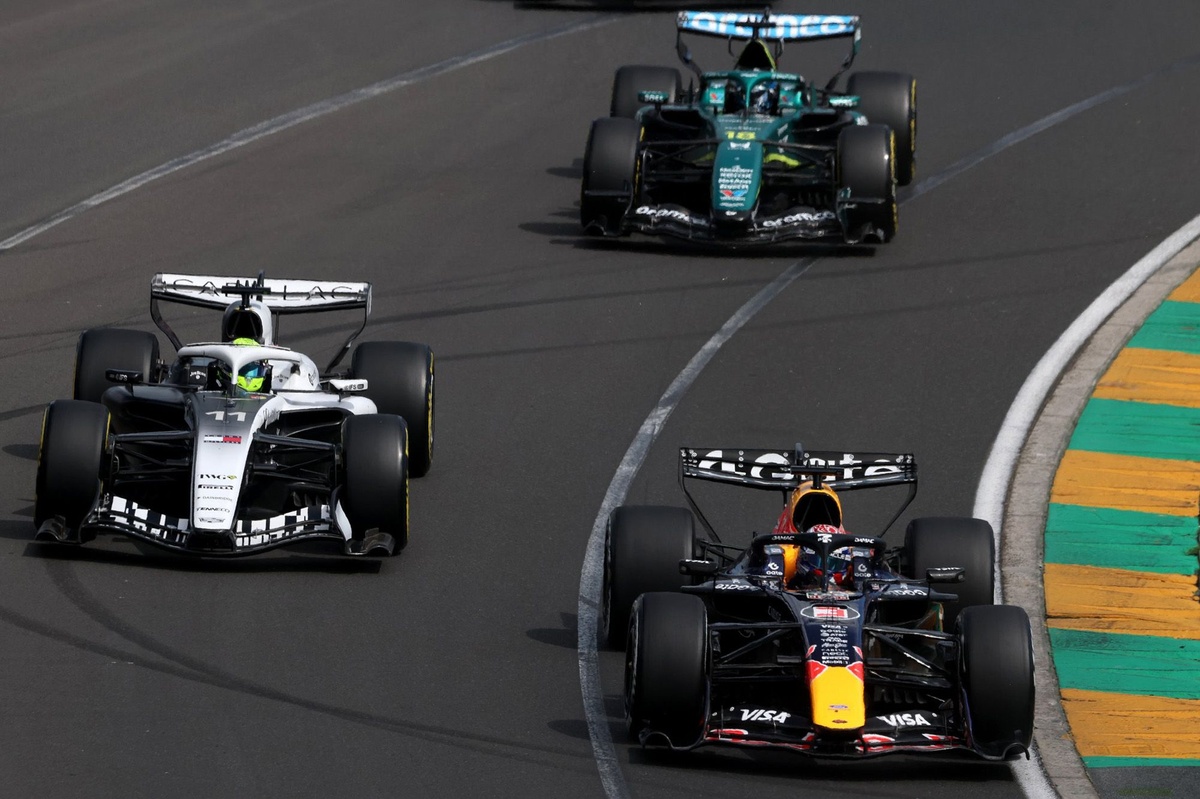
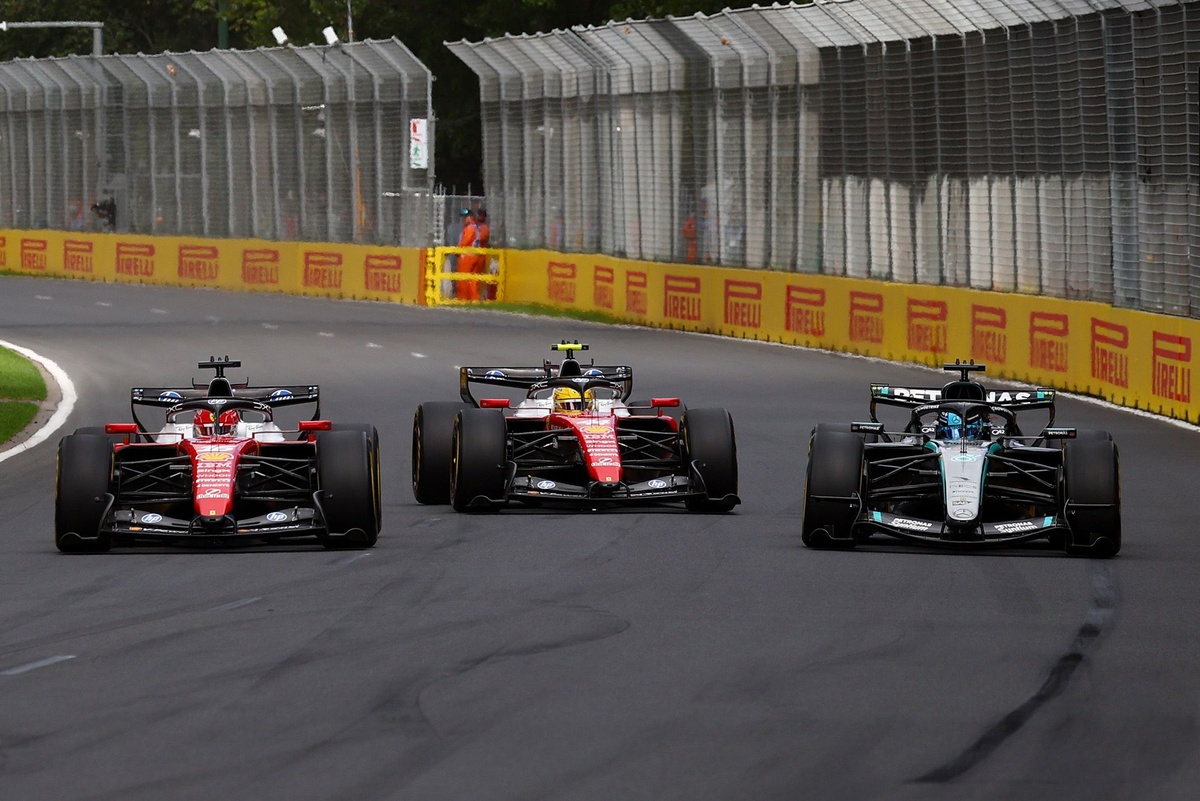

The roar of the engines in Melbourne promised fireworks, but did Ferrari's strategic gamble at the Australian Grand Prix ultimately deflate the spectacle? According to F1 pundit Will Buxton, Scuderia's controversial virtual safety car calls "robbed us potentially of a really good race" against rivals Mercedes.
Key Takeaways from the Australian GP Strategy Debate:
- Ferrari opted to keep Charles Leclerc out during two early Virtual Safety Car periods.
- The goal was to maintain crucial track position, with Leclerc leading the race.
- Pundits like Will Buxton and even Lewis Hamilton suggested a split strategy was a safer bet.
- Ferrari defended their decision, citing unexpected tire degradation rates that favored Mercedes' early pit.
Melbourne Mayhem: Ferrari's Pit Wall Dilemma
The Albert Park circuit came alive as Charles Leclerc seized the lead from pole-sitter George Russell. An intense battle between the Ferrari and Mercedes ace was brewing. However, the race dynamic shifted dramatically with the first Virtual Safety Car (VSC) on lap 12 following Isack Hadjar's retirement.
Most teams dove into the pits for fresh rubber, but Ferrari held firm, keeping Leclerc out. The decision was echoed just seven laps later when Valtteri Bottas's retirement triggered a second VSC. Again, Ferrari chose to stay on track, a move that immediately raised eyebrows, even prompting Lewis Hamilton to question on team radio: "At least one of us should have come in!"
The High Stakes of Track Position
Will Buxton, speaking on the Up To Speed podcast, explained Ferrari's logic: "I think they just wanted track position, to be in control of the race, to be in charge of the race and lead from the front." The aim was clear – maintain supremacy on the tarmac.
Yet, Buxton sided with Hamilton's immediate reaction. "At least you should have pitted one of us and split the strategies if you wanted track position, sacrifice one but not both," he argued. This mirrors past strategic missteps, recalling McLaren's woes in Qatar last year.
Did Unexpected Tire Performance Undermine the Plan?
While the strategy drew criticism, Ferrari Team Principal Fred Vasseur has defended the call. Buxton himself offered a rare defense of the Scuderia, acknowledging a crucial, unforeseen element: tire longevity.
Nobody, he suggested, anticipated the tires lasting as long as they did, especially after such an early VSC. Ferrari's gamble was based on a one-stop race for them versus a two-stop for others. "In any normal race, that theory is sound," Buxton admitted.
However, the tires defied expectations. Mercedes was able to pit early under the VSC and make those tires last for the remainder of the race. This unexpected durability flipped the script, turning Ferrari's calculated risk into a disadvantage and, as Buxton lamented, a potentially thrilling race into a strategic chess match gone awry.
Despite the strategic disappointment, Buxton did note a positive: a more "comfortable" Lewis Hamilton in his Mercedes, hinting at stronger performances to come, even if Ferrari's strategy cost us a direct duel this time.