
The gloves are off in Formula 1's engine room! The sport's governing body, the FIA, has finally drawn a line in the sand, aiming to close a controversial loophole that many believe gave Mercedes a silent, but significant, power advantage. This isn't just about technicalities; it's about competitive fairness at the pinnacle of motorsport.
Key Points:
- The FIA is tightening F1 engine compression ratio rules from June 1 of this year.
- Mercedes' pre-chamber design allegedly pushed engines beyond the 16:1 compression ratio when hot.
- New tests will measure compression at both ambient and 130°C, targeting dynamic performance.
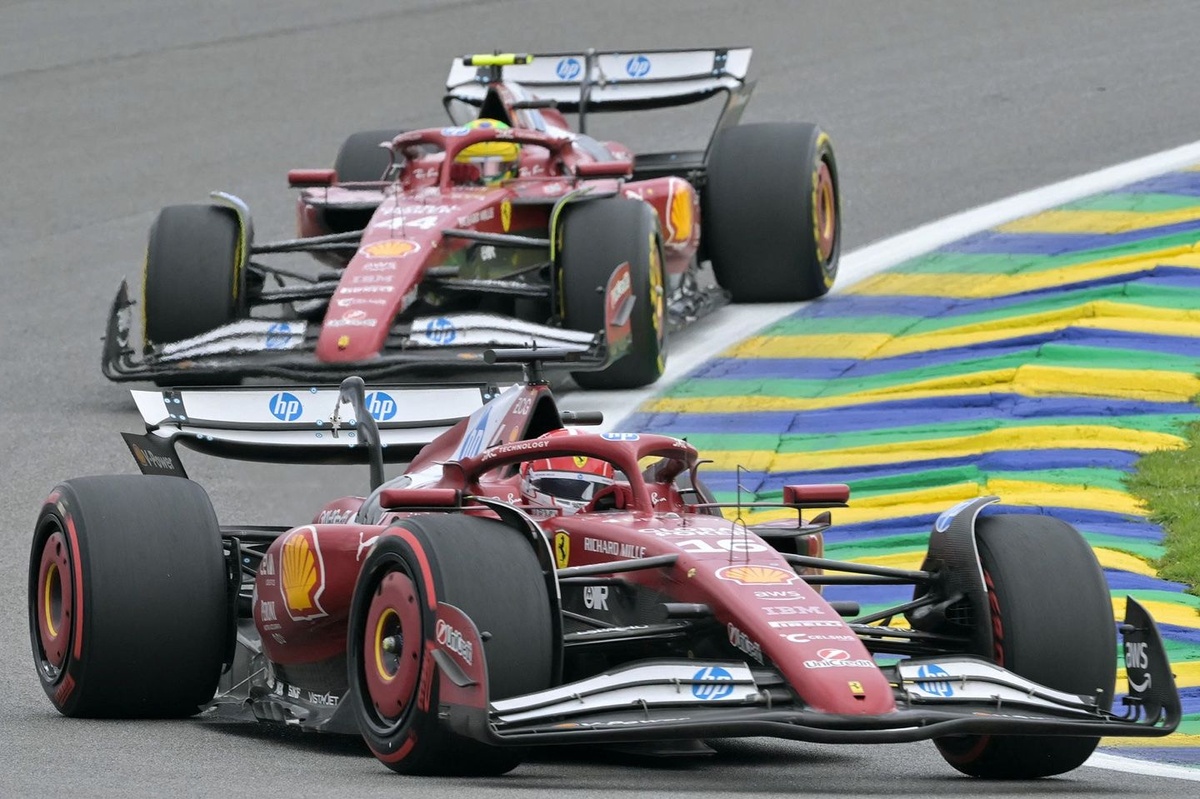
- Rival teams like Ferrari and McLaren could utilize the ADUO system to close any performance gap.
The Heated Debate: Mercedes' Compression Conundrum
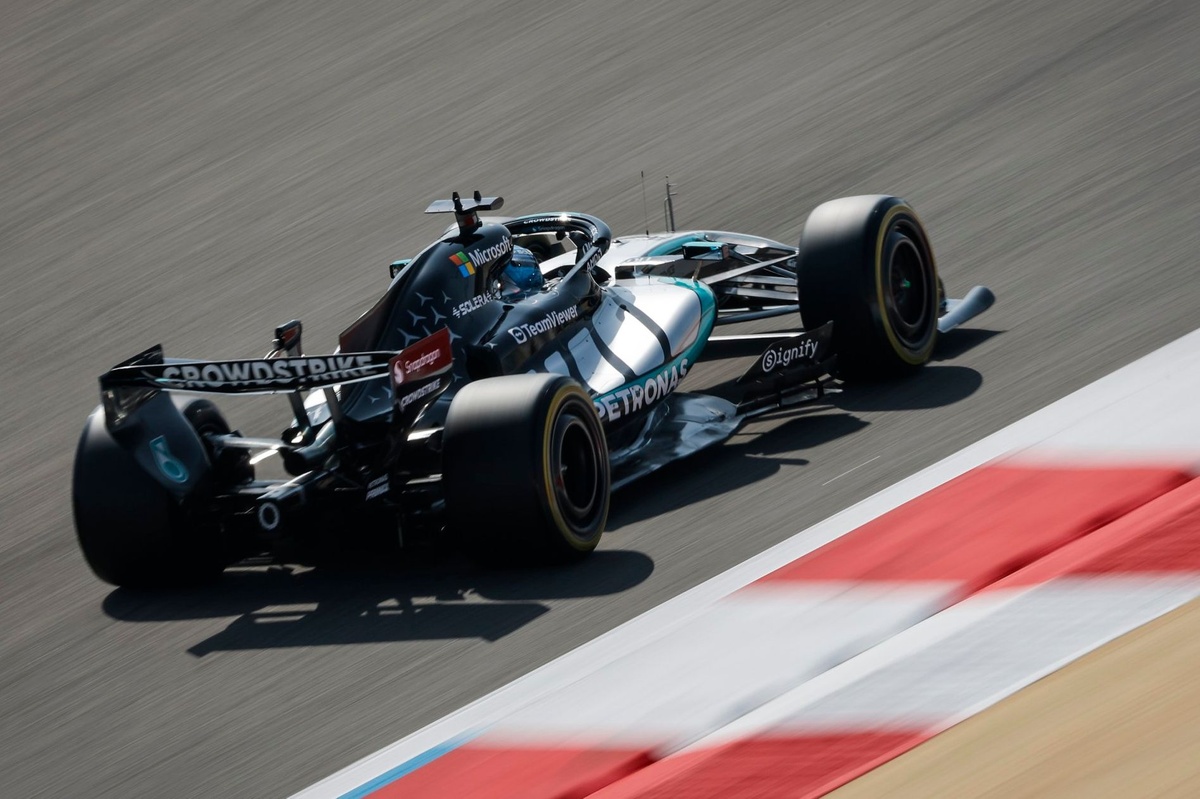
For weeks, whispers have swirled around the F1 paddock regarding Mercedes' power unit. While current regulations cap the internal combustion engine compression ratio at 16:1 when measured at ambient temperature, rivals suspected the Brixworth-built engines were reaching up to 18:1 under operating conditions, thanks to an innovative pre-chamber in the cylinder head.
This would grant a substantial power boost, putting other manufacturers at a disadvantage. Despite initial declarations of legality by the FIA's technical commissioner, the persistent rumors, reportedly fueled by an insider, triggered a widespread belief that Mercedes was operating on the edge, if not beyond, the spirit of the rules.
FIA's Bold New Rulebook for 2026
After intense discussions within the Power Unit Advisory Committee (PUAC), a unanimous agreement led to a crucial modification of Article C5.4.3, which governs engine compression. This isn't just a minor tweak; it's a direct response to the perceived loophole.
The revised wording explicitly states that no cylinder may exceed a geometric compression ratio of 16.0. Crucially, from June 1st of this year, this measurement will be taken not only at ambient temperature but also when the engine's oil temperature reaches 130°C. Furthermore, any component or system designed to increase the compression ratio beyond 16.0 in operating conditions is now strictly prohibited.
Intriguingly, unconfirmed reports suggest a broader strategic struggle brewing. At the heart of the controversy is the suspicion that some power unit manufacturers, most notably Mercedes, may have developed engine designs that technically comply with the 16.0:1 geometric compression limit when measured cold at ambient temperature, but exceed that ratio under race‑like thermal conditions. Rival teams including Audi, Ferrari, Honda, and Red Bull Powertrains have pushed for tighter definitions and testing to prevent any exploitation of this perceived grey area.
What Is ADUO and Why It Matters
Added to the technical context is the FIA’s ADUO (Additional Development and Upgrade Opportunities) system, a performance‑balancing mechanism built into the 2026 power unit regulations. Under ADUO, power unit manufacturers that lag significantly in measured performance, for example, due to lower internal combustion power, may be granted extra in‑season development opportunities, dyno test hours and homologation allowances at specified checkpoints in the year (typically after races 6, 12 and 18). This is intended to help close performance gaps without altering the core rules themselves.
There are reports suggesting some teams might be deliberately limiting engine output early in the season to prevent rivals from qualifying for ADUO benefits, thereby maintaining a tighter performance window across competitors. Whether this is strategic prudence or a form of sandbagging, it underscores how technical regulations and performance‑balancing systems are intertwined.
FIA Tightens the Rules
The FIA’s response, now enshrined in the updated technical regulations, extends the definition of compliance. From 1 June 2026, engines must conform to the compression ratio limit both at ambient temperature and when the engine’s oil temperature reaches 130 °C. More than simply policing a static measurement, the rule now overtly prohibits any component or system designed to increase the effective compression ratio beyond 16.0 in operating conditions, shutting the door on designs that bank on thermal expansion or dynamic effects to gain a performance edge.
As the 2026 season unfolds, whether Mercedes’ early‑season advantage translates into results before the hot‑condition measurement comes into force will be one of the storylines to watch, and how rival teams respond both on‑ and off‑track could shape the championship battle in unexpected ways.