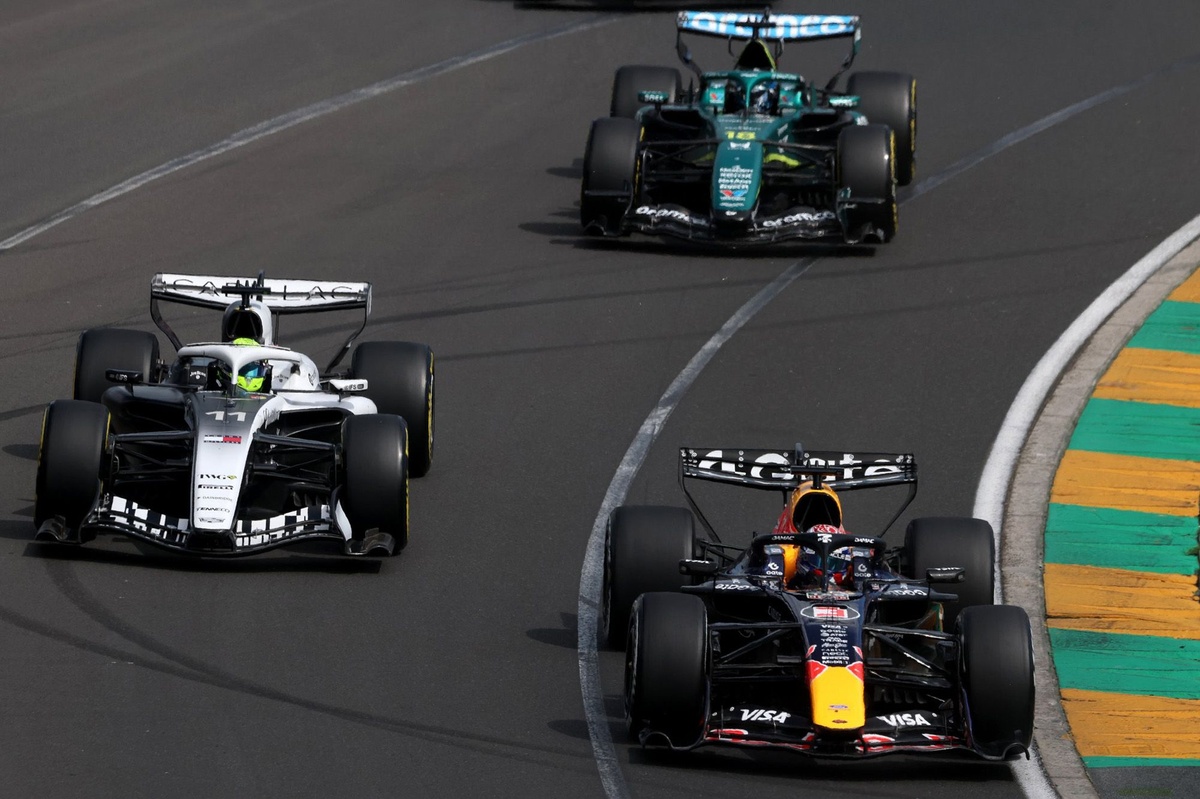


The 2026 Formula 1 season is barely out of the gate, but the Chinese Grand Prix already feels like a crucial crucible, ready to forge or break early narratives after Mercedes' dominant start in Australia. As Round 2 kicks off in Shanghai, the stakes are incredibly high, especially with the first sprint race weekend of this new era. Expect fireworks as teams battle both rivals and the demanding new regulations.
KEY POINTS FOR THE CHINESE GRAND PRIX
- Mercedes faces its first real test as rivals Ferrari aim to close the gap after a mixed Melbourne performance.
- The inaugural sprint weekend of 2026 introduces an intense challenge for teams adapting to complex new power unit regulations.
- Red Bull's Isack Hadjar is under the spotlight to prove his Melbourne heroics weren't a fluke, aiming for consistent points.
- Energy management will dictate strategies, especially on Shanghai's long straights, after its critical role in Australia's opener.
Can Anyone Halt the Silver Arrows' Charge?
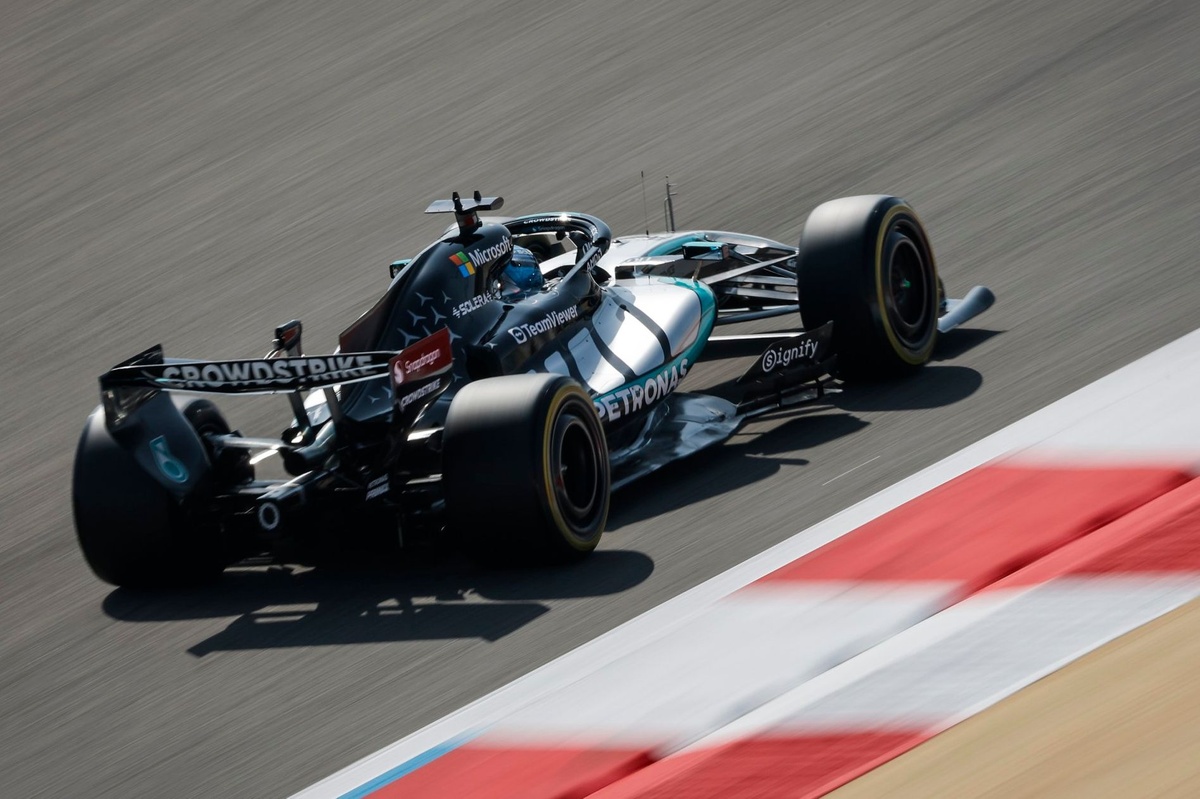
Mercedes arrived in Australia as heavy favorites, and they absolutely delivered. A commanding 1-2 finish, spearheaded by George Russell's victory, showcased their early mastery of the 2026 regulations. Russell clinched pole by 0.293s over teammate Kimi Antonelli, with the next closest rival, Isack Hadjar's Red Bull, a staggering 0.8s adrift.
Despite this blistering pace, Mercedes team boss Toto Wolff was quick to temper expectations, suggesting the title fight is far from over. His caution highlights the inherent unpredictability of early-season form, especially in a new regulation cycle.
Ferrari's Raw Pace: Why Melbourne Wasn't Their Full Story
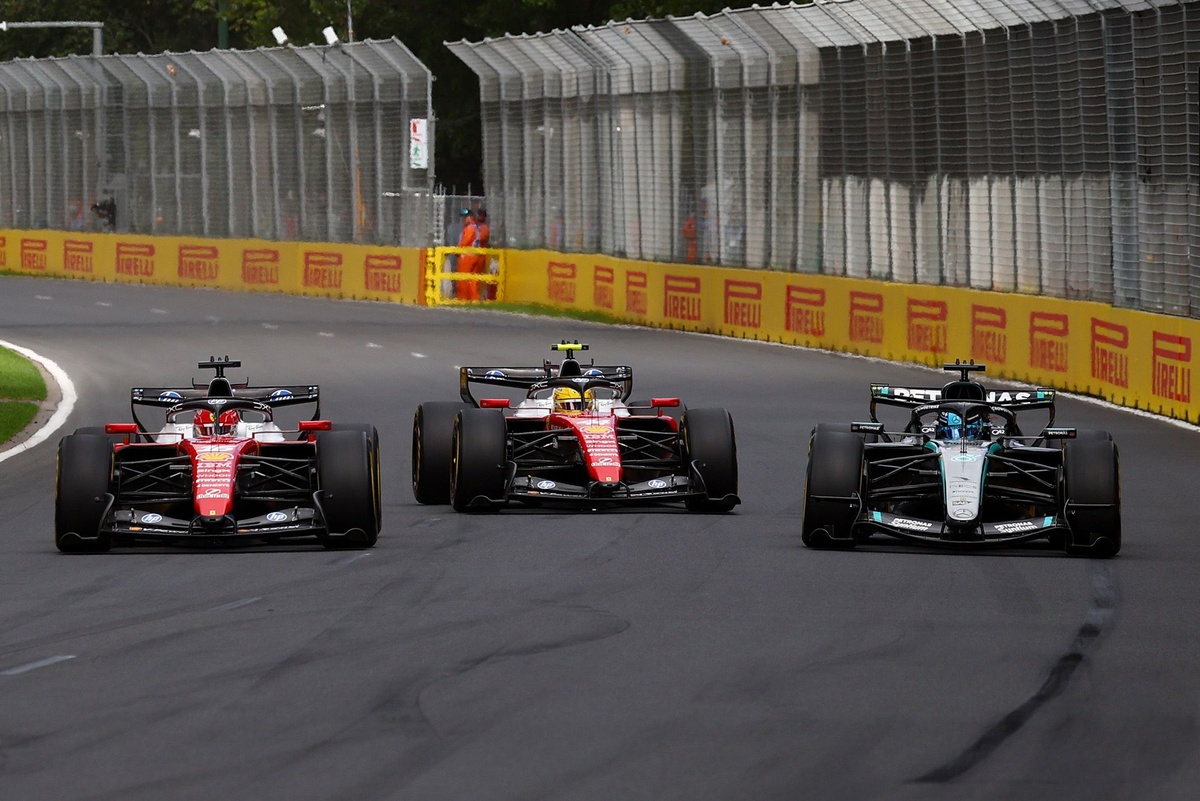
The biggest threat to Mercedes' early supremacy might come from Ferrari. Team principal Fred Vasseur admitted the Scuderia "didn’t put everything together" in Melbourne qualifying, which saw Charles Leclerc start 4th and Lewis Hamilton 7th. Crucially, Ferrari's race pace looked far more competitive.
Leclerc engaged Russell in an early battle for the lead, and Hamilton was firmly in the mix. Finishing 3rd and 4th without a crucial pit stop under the Safety Car hints at significant potential. Expect a fierce fight between the two giants in Shanghai if Ferrari can iron out their qualifying woes.
The Scramble for Third: McLaren vs. Red Bull's Tight Battle
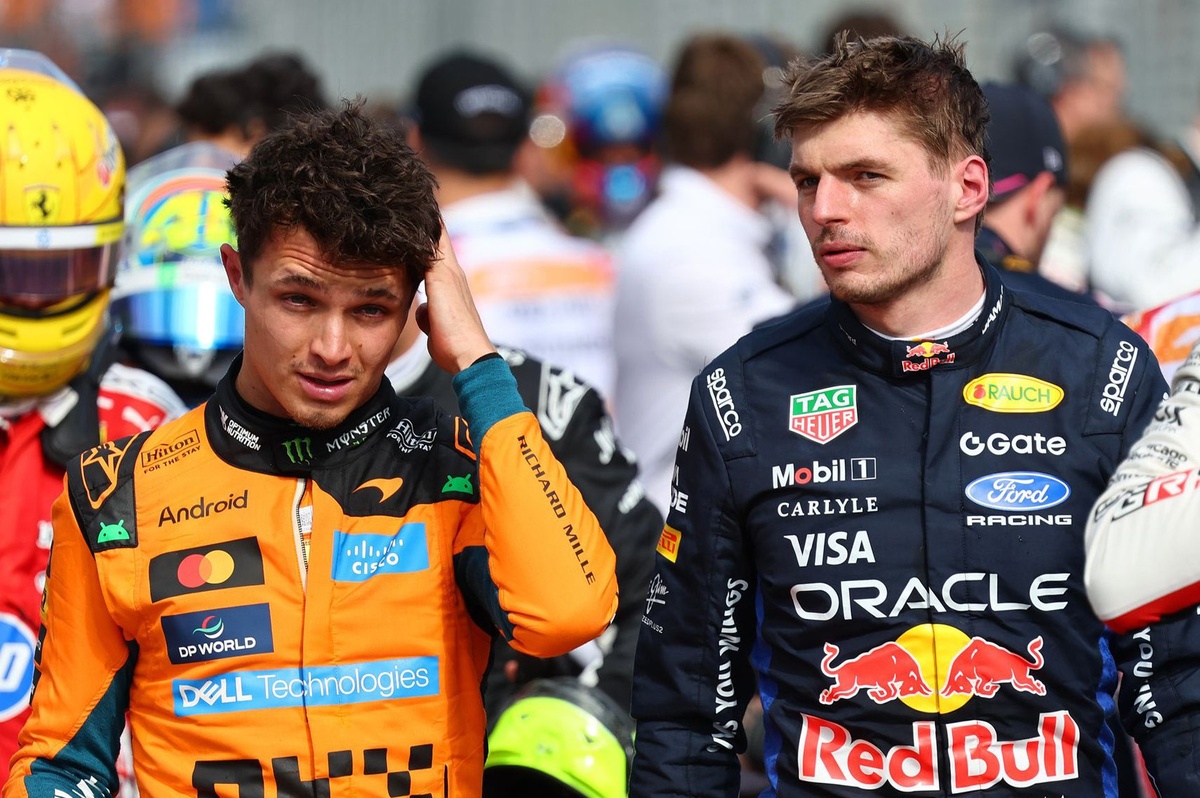
Behind the top two, the battle for best-of-the-rest is heating up between McLaren and Red Bull. The Australian Grand Prix witnessed a thrilling late-race duel between Lando Norris and Max Verstappen. While Isack Hadjar suffered an engine failure and Oscar Piastri crashed pre-race, both teams showed flashes of genuine pace.
Piastri Under Pressure to Deliver
For Oscar Piastri, Shanghai is more than just another race; it's a critical moment. After a difficult 2025 season where his title challenge faded and a zero-point start to 2026, the McLaren driver desperately needs to score. His performance will be keenly watched as he aims to reignite his campaign.
The Energy Equation: Shanghai's Unique Challenge
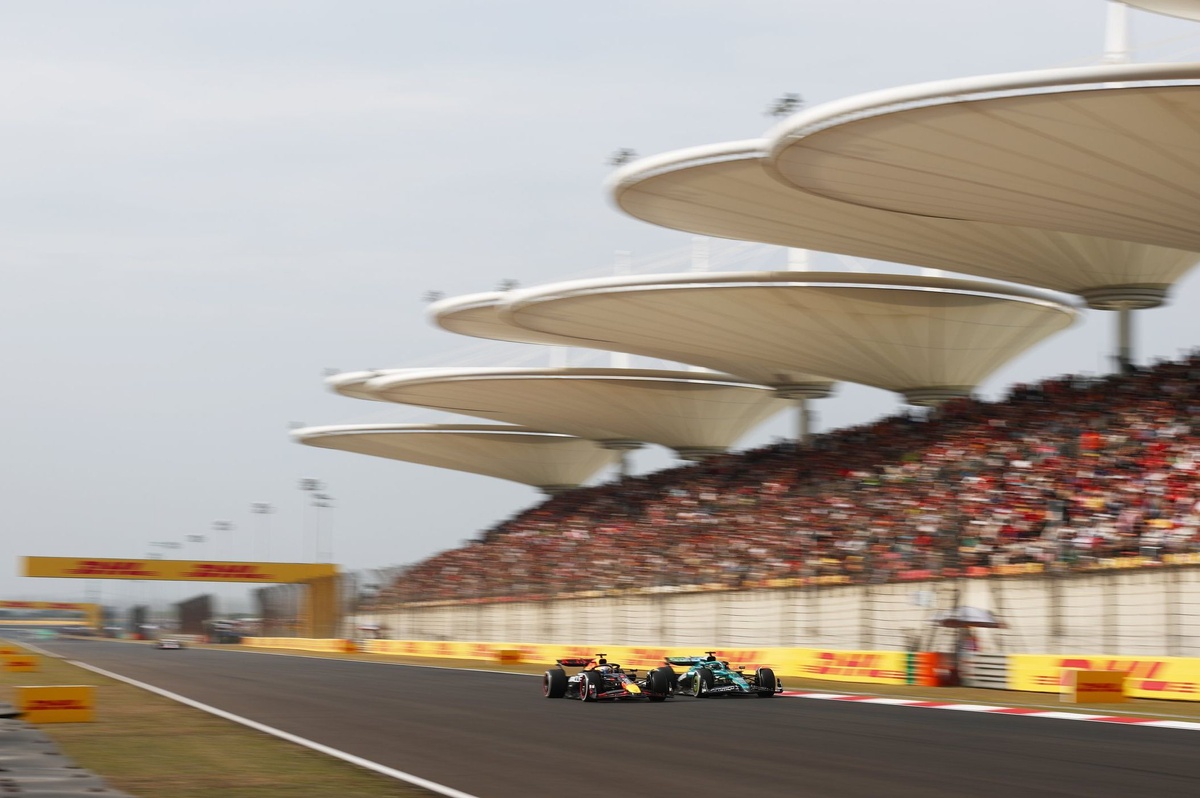
The 2026 Formula 1 cars, with their approximately 50% electric power units, put energy management at the forefront. Albert Park provided a stern test, showing how drivers were forced to "lift and coast" during qualifying to conserve energy, often decelerating well before braking zones on long straights. This phenomenon was particularly noticeable on the 1.4km Lakeside Drive section.
Shanghai presents an even greater energy challenge. With a monstrous 1.7km section between Turns 11 and 14, including a 1.4km full-throttle stretch, teams will need masterful strategies. The circuit features just three major braking zones, fewer than Melbourne, which could further complicate energy harvesting and deployment. This could lead to fascinating on-track dynamics as drivers manage their precious battery reserves.
Sprint Showdown: High Stakes in Early Season
The Chinese Grand Prix marks the first sprint weekend of the 2026 season. This format compresses the schedule, leaving teams with just a single practice session to fine-tune their complex new cars. This limited preparation could be a double-edged sword: it might prevent Mercedes from fully unleashing their potential, but it could also catch other teams out if they make setup errors.
The timing of an early-season sprint with brand-new regulations is debatable, yet it could offer unique entertainment. The "yo-yoing" effect between drivers, as they manage the lap-by-lap harvest and discharge of energy, might be amplified in a shorter, more intense sprint race.
Red Bull's Rising Star: Can Hadjar Maintain Momentum?
Red Bull has long struggled to find a consistent teammate for Max Verstappen since Daniel Ricciardo's departure. However, Isack Hadjar's debut in Melbourne offered a glimmer of hope. Despite a power unit failure ending his race, the 21-year-old Frenchman qualified an impressive 3rd, even after Verstappen's Q1 crash.
Team boss Laurent Mekies praised Hadjar's "fantastic weekend," highlighting his ability to adapt to the new rules and put the car exactly where it needed to be. While Red Bull doesn't expect Hadjar to beat Verstappen, his role is to consistently be there to pick up points. Shanghai is his chance to prove his Melbourne performance was no fluke and that he can consistently challenge for the top 10. He scored 11th for Racing Bulls last year, and a points finish here would solidify his promising start.
Aston Martin's Chassis Conundrum
Aston Martin faced questions in Melbourne after a challenging race, with retirements for both cars. While Honda (HRC) and the team insist engine issues were not the primary cause, doubts linger. Fernando Alonso indicated that more battery stock for the upcoming Japanese GP might allow Aston Martin to take more risks in China, potentially revealing the true source of their struggles.
Early assessments from Adrian Newey suggested their chassis might be only fifth best. This was supported by Alonso's rapid fall through the field after a brilliant start in Australia. With their wind tunnel program starting late last year, the Chinese Grand Prix will be crucial in determining if their problems run deeper than just the power unit.