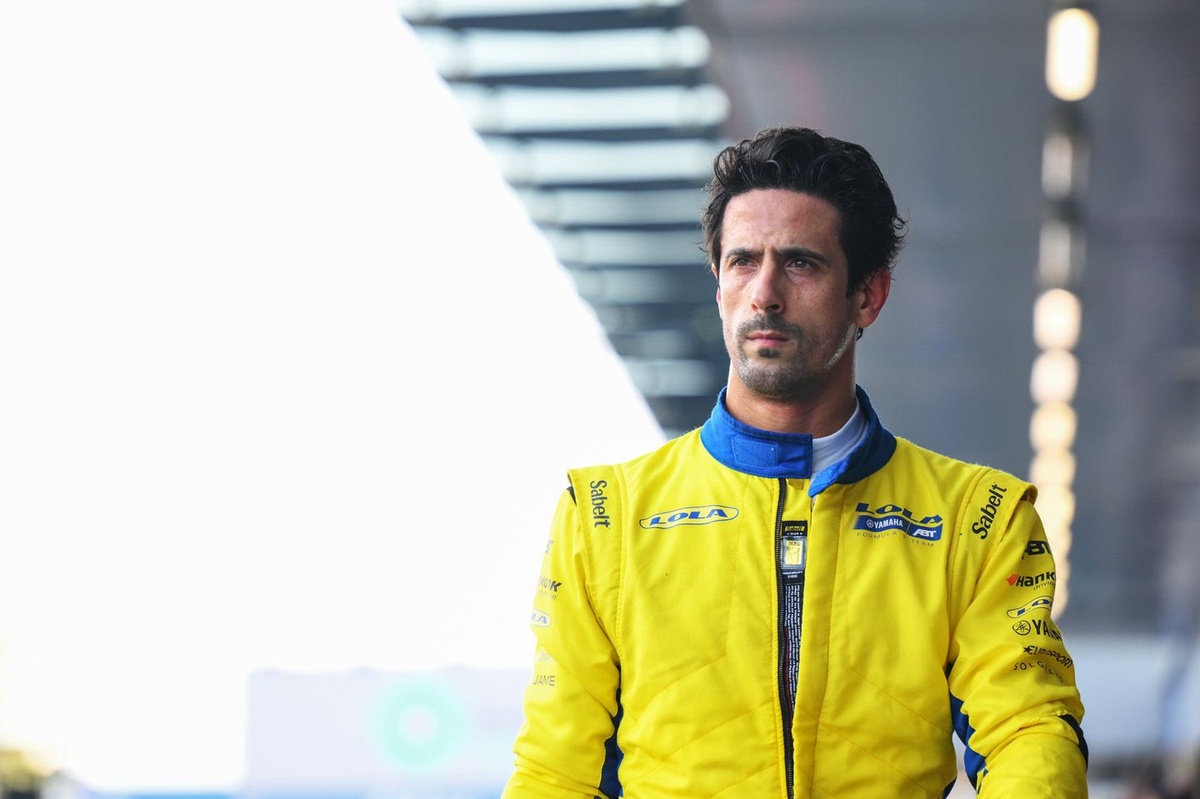

The future of Formula 1 hangs in the balance, with scathing criticism emerging from an unlikely corner: Formula E champion Lucas di Grassi, who has sensationally labelled the F1 2026 regulations as "extremely badly designed."
Key Takeaways on F1's 2026 Vision:
- Lucas di Grassi condemns F1 2026 regulations as fundamentally flawed.
- New power unit rules prioritize energy management, prompting driver complaints.
- Max Verstappen previously dubbed the cars "Formula E on steroids."
- Di Grassi boldly predicts Formula E could soon outpace Formula 1 in outright speed.
A Fiery Critique: Di Grassi Blasts F1's Future Power Units
The motorsport world is buzzing after Lucas di Grassi, the seasoned Formula E champion and former F1 driver, launched a no-holds-barred assault on the upcoming F1 2026 power unit regulations. His direct words reveal a deep concern shared by many: these rules are simply not fit for purpose. The veteran racer didn't mince words, declaring the hybrid system integration "extremely badly designed" by the FIA.
This critique isn't just about hybrid technology itself; di Grassi clarifies that the issue lies in the specific framework of the rules. The overhaul aims for a more powerful MGU-K system, pushing nearly half the car's output to electrical power. This increased reliance on energy management and harvesting has already drawn fire from current F1 drivers, including triple world champion Max Verstappen, who famously dismissed the concept as "Formula E on steroids."
Drivers' Alarming Simulator Feedback
What does this mean for the racing? According to di Grassi, the consequences are dire. He asserts that the current rule-set makes the future F1 cars "very slow and sometimes not very efficient or not very raceable." His conversations with drivers who have tested the 2026 package on simulators paint a troubling picture, indicating that the "very weird rules" create significant problems on certain tracks. This isn't just theoretical; it's a real concern for the spectacle of the sport.
Formula E's Bold Challenge: Could It Outpace F1?
Beyond the criticism of F1, di Grassi made an even more audacious claim: Formula E could one day surpass its gas-guzzling cousin in raw performance. With the all-electric series gearing up to introduce its potent 800bhp Gen4 car next season, and further upgrades on the horizon, di Grassi envisions a future where battery advancements make Formula E the fastest racing category on the planet.
He boldly projected that within a few years post-Gen4, a Formula E car could be "two-three-four-five seconds faster than F1" at circuits like Monaco. This radical prediction highlights the rapid pace of electric vehicle development and the potential for a paradigm shift in top-tier motorsport.
Redefining Motorsport's Elite: Where Will the Best Drivers Race?
If Formula E cars become unequivocally faster, what does that mean for the hierarchy of motorsport? Di Grassi poses the provocative question: Will the world's best drivers gravitate towards Formula E? He even speculates on scenarios like drivers pursuing "two programmes," with Formula E becoming a winter series and Formula 1 a summer event. This isn't just about speed; it's about the very identity of elite racing and where ultimate glory will be found. The natural progression of technology suggests a dramatic shake-up is on the horizon, challenging traditional perceptions of speed and skill in racing.