
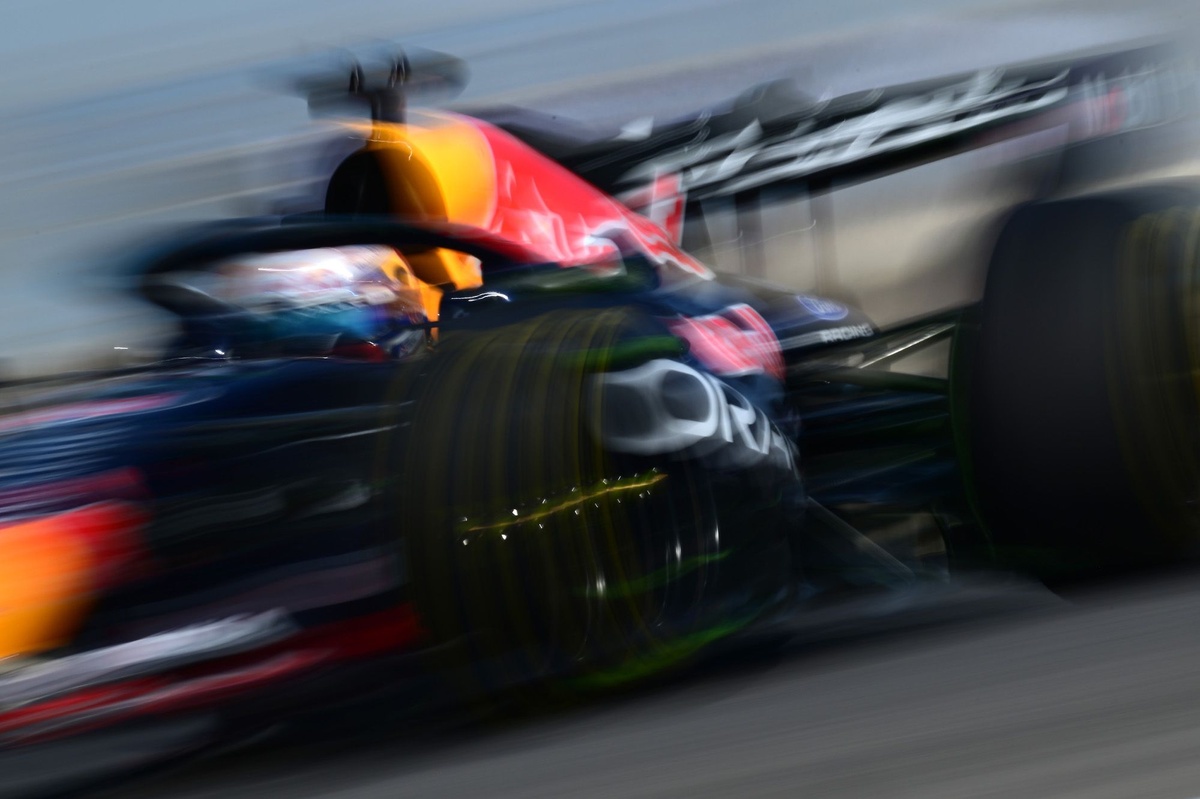

Brace yourselves, Formula 1 fans: the sport's biggest star is sounding the alarm. Max Verstappen has unleashed a scathing, sarcastic critique of the 2026 power unit regulations, warning of a 'disaster' that could fundamentally alter the very essence of racing.
The reigning world champion's concerns center on the expanded electric element in the new engines, forcing drivers into controversial energy management tactics. This isn't just about efficiency; it's about whether the pinnacle of motorsport will remain a flat-out sprint.
Key Points:
- F1's 2026 rules introduce significantly expanded electric power units.
- Drivers will be forced to 'lift and coast' to harvest energy, even in qualifying.
- This tactic will reduce top speeds on straights and alter racing lines dramatically.
- Max Verstappen fears iconic tracks like Monza and Spa will become 'disasters.'
The Looming Shadow of 'Lift and Coast'
The 2026 Formula 1 season promises a new era of power units, heavily reliant on an expanded electric component. While the aim is to boost sustainability, the unintended consequence, according to many drivers, is a dramatic shift in how cars are driven: energy management is becoming paramount.
This means drivers can no longer go flat-out for an entire straight. Instead, they must 'lift and coast' – easing off the throttle before braking zones, to regenerate crucial energy. This energy is then deployed earlier on the straight, in a complex ballet of efficiency that could sacrifice pure speed.
Even in a qualifying scenario, maximizing energy harvest is proving quicker than sustained full throttle. Lewis Hamilton highlighted this, noting 600 meters of lift-and-coast on the Barcelona track alone. Adding to the complexity, harvesting tactics will sometimes involve downshifting on straights, a move almost alien to modern F1.
Verstappen's Blistering Assessment
Max Verstappen, never one to shy away from a strong opinion, didn’t hold back on the 2026 regulations. Speaking from the Bahrain paddock, he jokingly suggested that, under the current power unit setup, drivers might soon be braking halfway down long straights like Las Vegas to harvest energy, a wry comment on how intrusive the new energy-management demands have become.
The Red Bull driver went further, labelling the new cars “anti-racing” and likening them to “Formula E on steroids”, lamenting that the sport’s shift towards intense energy harvesting has stripped away some of the pure driving enjoyment. He even admitted that the feeling has made him question how long he wants to continue in Formula 1 under these rules.
A Divided Paddock
Not all drivers share Verstappen’s stark view, but many acknowledge the growing prominence of energy strategy. Haas’ Oliver Bearman described how odd and even “sad” it felt to lift early on straights, especially in qualifying, though he also noted that once acclimatised, the technique can feel surprisingly natural and fast when done right.
Meanwhile, other voices in the paddock have pushed back on overly negative takes. Some drivers insist that the new era still offers exciting challenges, pointing to higher top speeds and complex battery deployment tactics as innovative features rather than drawbacks. Commentators like Martin Brundle have even pointed out that lift-and-coast has been part of F1 in various forms for decades, albeit not to this extent.
What This Means for F1 Fans
The shift towards energy management has ignited a broader debate about the soul of Formula 1. Purists argue that the sport should be about raw speed and wheel-to-wheel action, not engineering finesse in long-range battery strategy. Others see the changes as an evolution, one that blends sustainability with cutting-edge technology, even if it temporarily sacrifices the traditional spectacle.
As the season approaches, one thing is clear: mastery of energy harvesting and deployment will be as crucial as engine power or aerodynamic efficiency. Whether that makes for better racing remains to be seen, but it’s already reshaping the way the greatest drivers on the planet approach a lap of the track.
.png)


