
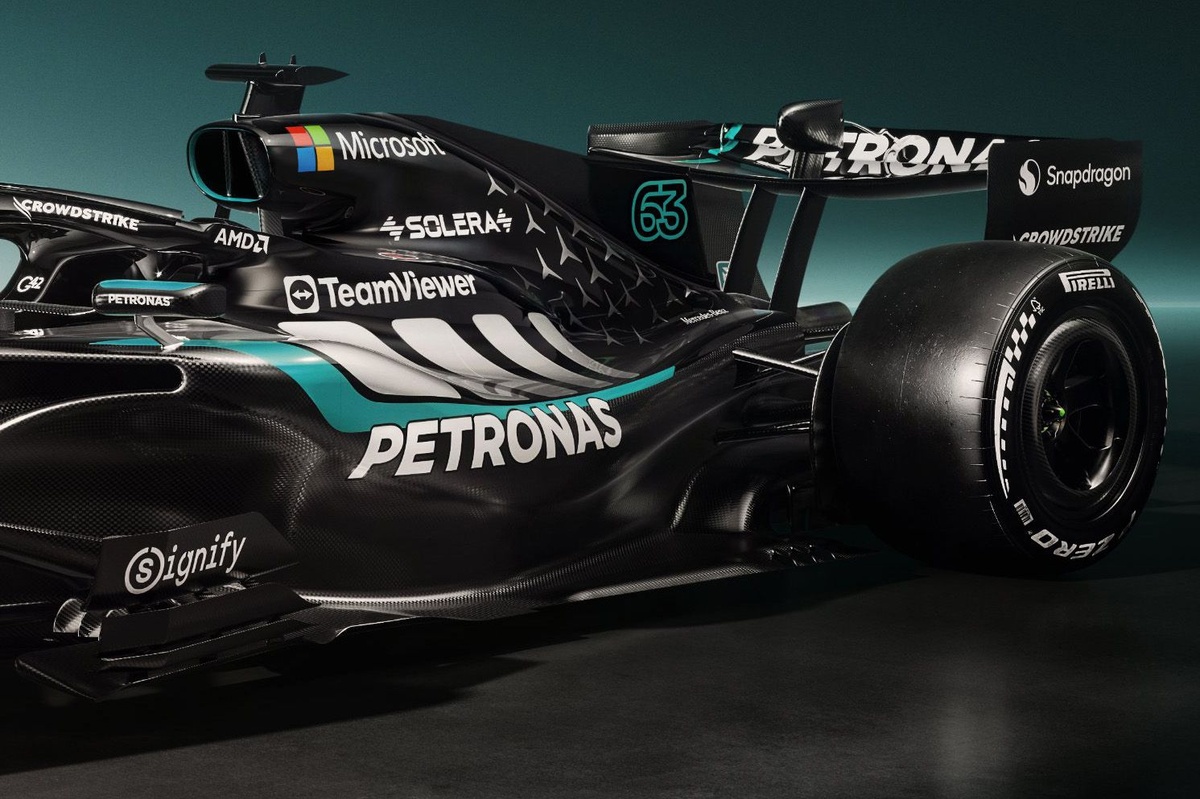

The 2026 F1 season is set to ignite with a bang, but not just from the new regulations. A controversial engine loophole, benefiting powerhouses like Mercedes and Red Bull Powertrains, has been officially cemented, leaving rivals fuming and the grid buzzing with tension. The FIA has opted against immediate changes, meaning the much-debated technical advantage is now locked in for the foreseeable future.
- Mercedes and Red Bull Powertrains have exploited a technicality in the 2026 F1 engine regulations.
- Their power units can achieve a higher effective compression ratio (beyond the 16:1 limit) when running hot.
- The FIA has confirmed it will not alter the measurement methods or rules before the 2026 season launch.
- Rival manufacturers like Ferrari, Honda, and Audi are vocally protesting a potential 10bhp performance boost.
The Great F1 Engine Loophole: Mercedes & Red Bull's Unchecked Power Advantage
For months, whispers have circulated through the paddock about a clever metallurgical "trick" employed by Mercedes and Red Bull Powertrains. This innovation allows their internal combustion engines to effectively exceed the regulated 16:1 compression ratio when running hot, despite adhering to the limit when "cold" – the specific point at which the FIA measures compliance. This is a crucial distinction, as engine performance is dramatically different under race conditions, making the "cold" measurement a significant blind spot.
Decoding the Technical Edge: How the Powerhouses Found More Horsepower
The heart of the controversy lies in the precise wording of the 2026 power unit regulations. The rules stipulate that the compression ratio would be policed with measurements taken when engines are "cold." However, through advanced material science, these two constructors have reportedly developed components that deform or expand subtly under operating temperatures. This effectively increases the engine's dynamic compression ratio beyond the regulatory intent once the engine is hot and fully working. This ingenious interpretation of the rules grants a significant, though hidden, performance boost, estimated at around 10bhp.
Rivals Fuming: Ferrari, Honda & Audi Left in the Dust?
The news that this loophole will persist has sent shockwaves among other manufacturers. Ferrari, Honda, and incoming powerhouse Audi have reportedly voiced their strenuous objections. Audi's F1 program head, Mattia Binotto, had hoped for clear guidelines, but the status quo remains. The proposed solution of adding a sensor to measure compression ratio when the engine is hot, rather than cold, failed to gain the unanimous support needed from all engine suppliers. This means a potential 10bhp advantage for Mercedes and Red Bull Powertrains could translate to a critical "couple of tenths of a second per lap" – a lifetime in F1 competition.
A Classic F1 Conundrum: Rules, Interpretation, and High Stakes
This isn't the first time Formula 1 has seen teams exploit the letter, rather than the spirit, of the rulebook. FIA single-seater director Nikolas Tombazis recently underscored the governing body's desire for consistent interpretation of regulations, stating they want teams to "understand the rules in exactly the same way." Yet, despite intentions, the current situation leaves plenty of room for dissent. With the 2026 F1 season fast approaching, it's highly probable that we will see official protests filed as early as the first Grand Prix, adding another layer of drama to what is already a highly anticipated new era of regulations. The relentless hunt for every fractional advantage defines F1, and this engine saga is just the latest chapter in that age-old pursuit.