
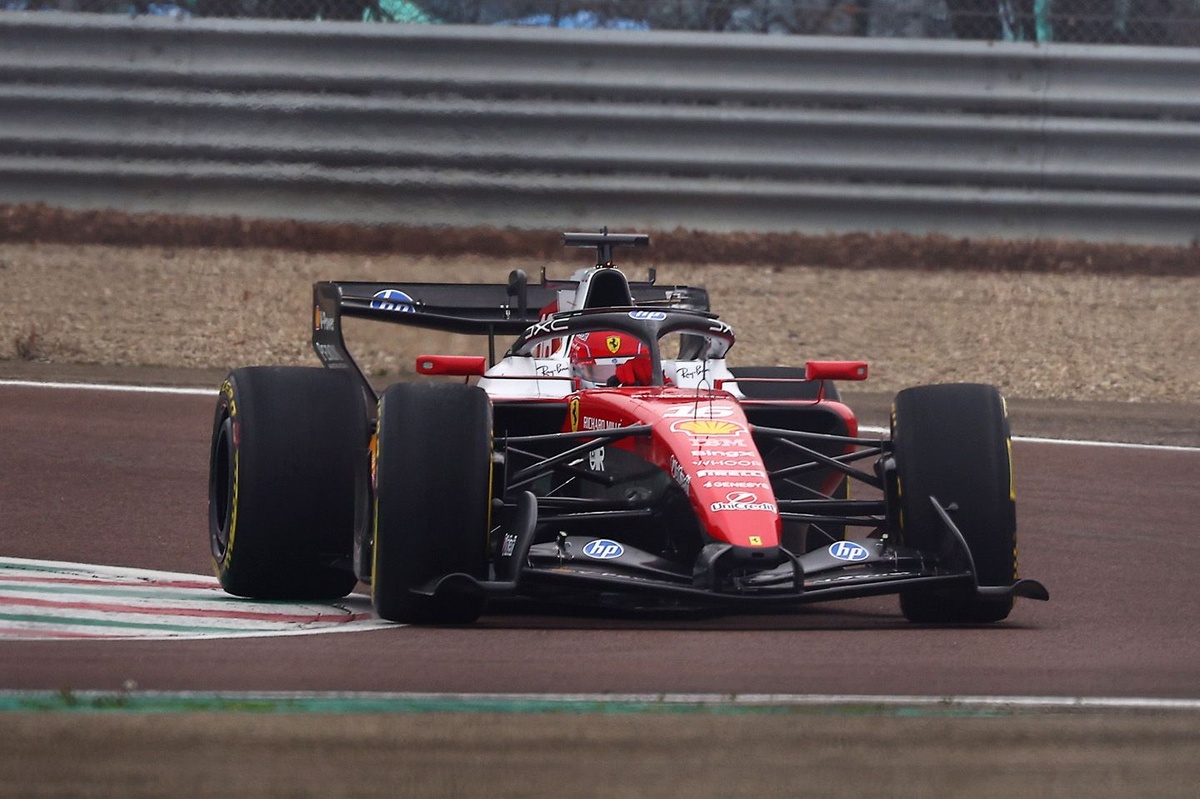

The future of Formula 1 has just been glimpsed, and it's nothing short of revolutionary. Ferrari has taken the lead, offering the world its first look at the groundbreaking active aerodynamics system set to redefine the sport in F1 2026.
Key Innovations of F1 2026 Active Aero:
- Ferrari's SF-26 showcased the new dynamic wing technology during its Fiorano shakedown.
- The system employs distinct "Corner Mode" (high downforce) and "Straight Mode" (low drag) for strategic advantage.
- It effectively replaces the long-standing DRS, introducing driver-activated "Overtake Mode" zones.
- Engineers face a critical challenge in ensuring rapid airflow reattachment for optimal car stability and grip.
The Dawn of Dynamic Aero: Ferrari Leads the Charge
Formula 1 is bracing for a seismic shift in 2026, and Ferrari has just pulled back the curtain on one of its most anticipated technological leaps: active aerodynamics. During a recent SF-26 shakedown at Fiorano, the Scuderia became the first team to publicly demonstrate the adjustable wing elements that will define the next generation of F1 cars. This isn't just an evolution; it's a fundamental reimagining of how speed and downforce will be managed on track.
Official videos from Formula 1's own channels have confirmed the system's operational status, showing the aerodynamic elements working dynamically. While the low-speed shakedown only offers a taste, it signifies a major milestone in the development of these complex F1 2026 regulations.
Beyond DRS: Introducing Strategic Wing Modes
For over 15 years, the DRS (Drag Reduction System) has been a staple of Formula 1, designed to aid overtaking by flattening a rear wing flap when within one second of a competitor. The new active aerodynamics system, however, takes this concept to an entirely new level, making it a core part of the car's dynamic performance rather than just an overtaking aid.
This system will see both front and rear wings dynamically adjust, flattening out on fast sections to reduce drag and increase top speed. Crucially, its activation is not dependent on proximity to another car. Instead, drivers will strategically deploy "Overtake Mode" in pre-defined zones, demanding greater skill and tactical awareness.
Corner Mode vs. Straight Mode Explained
The F1 2026 cars will operate with two primary aerodynamic states: "Corner Mode" and "Straight Mode." "Corner Mode" is the default setting, where the wing flaps are in their upright, normal position. This configuration maximizes downforce, providing the essential grip and aerodynamic performance needed to navigate corners at blistering speeds.
Conversely, "Straight Mode" allows drivers to activate the system within specific FIA-designated areas on each track. In this mode, the wing flaps flatten, significantly reducing aerodynamic drag and boosting the car's top-end speed down the straights. As a driver approaches a braking zone and lifts off the throttle, the system automatically reverts to "Corner Mode." This instant transition ensures maximum stability and downforce are available precisely when needed for corner entry.
The Unseen Battle: Engineering Stability at Speed
Implementing active aerodynamics is far more complex than simply attaching moving parts to a wing. Teams are engaged in an intricate engineering challenge to manage airflow. The primary hurdle is achieving a seamless and rapid reattachment of airflow to both the front and rear wings when transitioning back to "Corner Mode."
Without this quick reattachment, the car would experience a sudden loss of grip, making braking and cornering incredibly unstable and dangerous. Engineers must strike a delicate balance: designing wings that deliver peak downforce in corners while also efficiently shedding drag in "Straight Mode," all while guaranteeing instantaneous stability recovery. This technical tightrope walk will be critical to competitive performance.
The F1 2026 season promises a thrilling new chapter for motorsport, with active aerodynamics set to introduce unprecedented levels of driver involvement and strategic depth. Get ready for a faster, more dynamic spectacle on track!
.png)


