
After seven years with Red Bull and eight including Toro Rosso in 2018, the cooperation between Honda and Red Bull will come to an end after this season. Formally, the partnership ended in 2021, but because engine development was frozen, both Red Bull teams continued using Honda power units. Initially, Red Bull planned to take Honda’s engines in-house for four more seasons, but that changed with a paid deal. Honda wasn’t keen to hand over any intellectual properties, and the extended deal until the end of 2025 meant less risk for Red Bull as well.
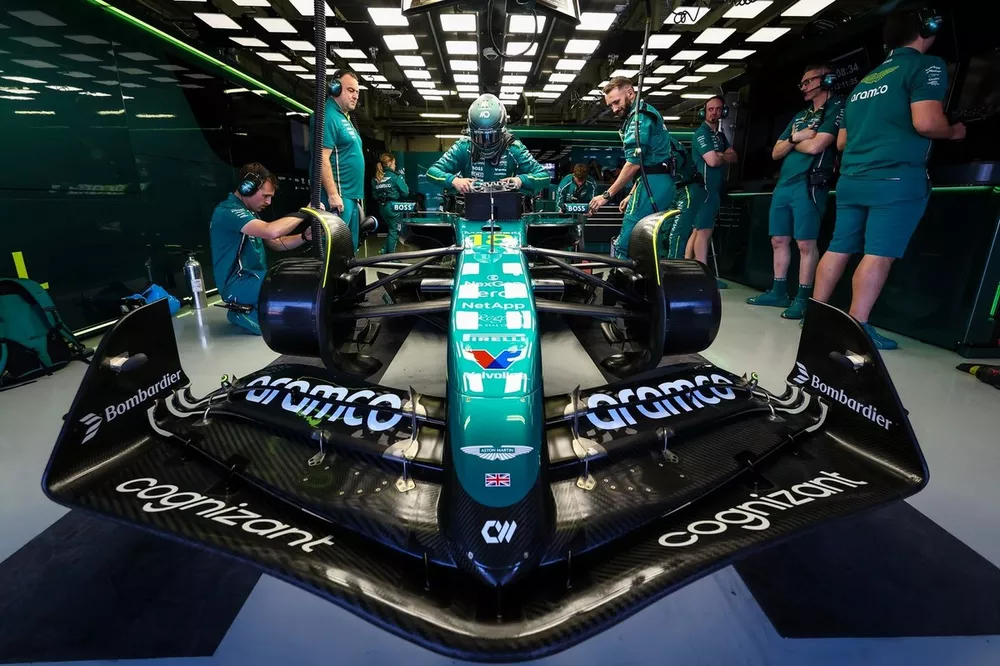
After the current campaign both parties will enter a new era. Red Bull takes its fate in its own hands with the Powertrains-Ford project, while Honda joins forces with Aston Martin. The Silverstone-based team will gain works status - a major shift compared to its current situation as a Mercedes customer and one with far-reaching consequences behind the scenes.
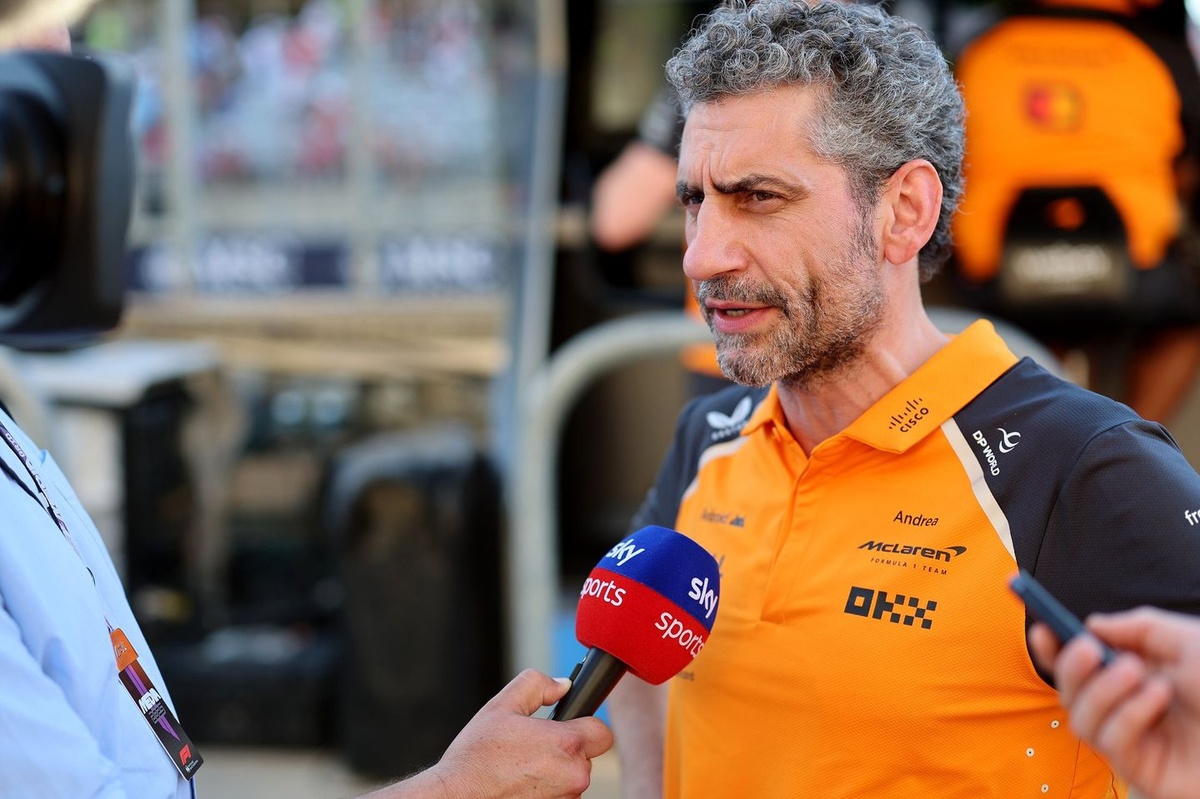
“I think it's completely different from being a customer team where it's a little bit of a black box, a black box that you can't edit,” Andy Cowell, Aston Martin CEO and team principal, begins, explaining how the relationship with Honda changes the team's F1 operations.
After the current campaign both parties will enter a new era. Red Bull takes its fate in its own hands with the Powertrains-Ford project, while Honda joins forces with Aston Martin. The Silverstone-based team will gain works status - a major shift compared to its current situation as a Mercedes customer and one with far-reaching consequences behind the scenes.
“I think it's completely different from being a customer team where it's a little bit of a black box, a black box that you can't edit,” Andy Cowell, Aston Martin CEO and team principal, begins, explaining how the relationship with Honda changes the team's F1 operations.
“As a works team, there's a plethora of systems where you're discussing openly with the Honda engineers to maximise performance. Our common currency is lap time, so everything – whether it's mass, heat rejection, fuel consumption, centre of gravity, aero opportunity – you equate it all to lap time. Look at the results and go, right, if we do this and this, then that's the overall carrot that we'll see on page one of a race weekend. That's what the engineers work on to create the concepts and deliver those without losing any lap time.”
Cowell emphasises that defining those concepts is one thing - but making them work on the dyno is another challenge: “That's a tough journey. You have a concept but actually turning that into reality – into something that definitely works on the test bed – is an interesting process. The performance is there, the heat rejection is nice and low, the flow rates are low, the pump efficiency is low, crank power is good, round trip efficiency of the electrical systems is good, and it fits beautifully together in a compact environment. That's the quest that we're on.”
It's easier said than done, although the removal of the MGU-H theoretically makes next year’s engine formula slightly less complex.