
Key Points for the 2026 MotoGP Season
- New 2027 Regulations: 850cc engines and revised aerodynamics will completely reshape the sport.
- Frozen Development: Engine development halts in early **2025**, forcing teams to pivot focus quickly.
- Strategic Rider Market: Top talents like **Fabio Quartararo** and **Pedro Acosta** are eyeing **2027** bikes before committing.
- Michelin's Farewell: The final year for the current tyre supplier, with **Pirelli** taking over in **2027**.
The Looming Regulatory Earthquake of 2027
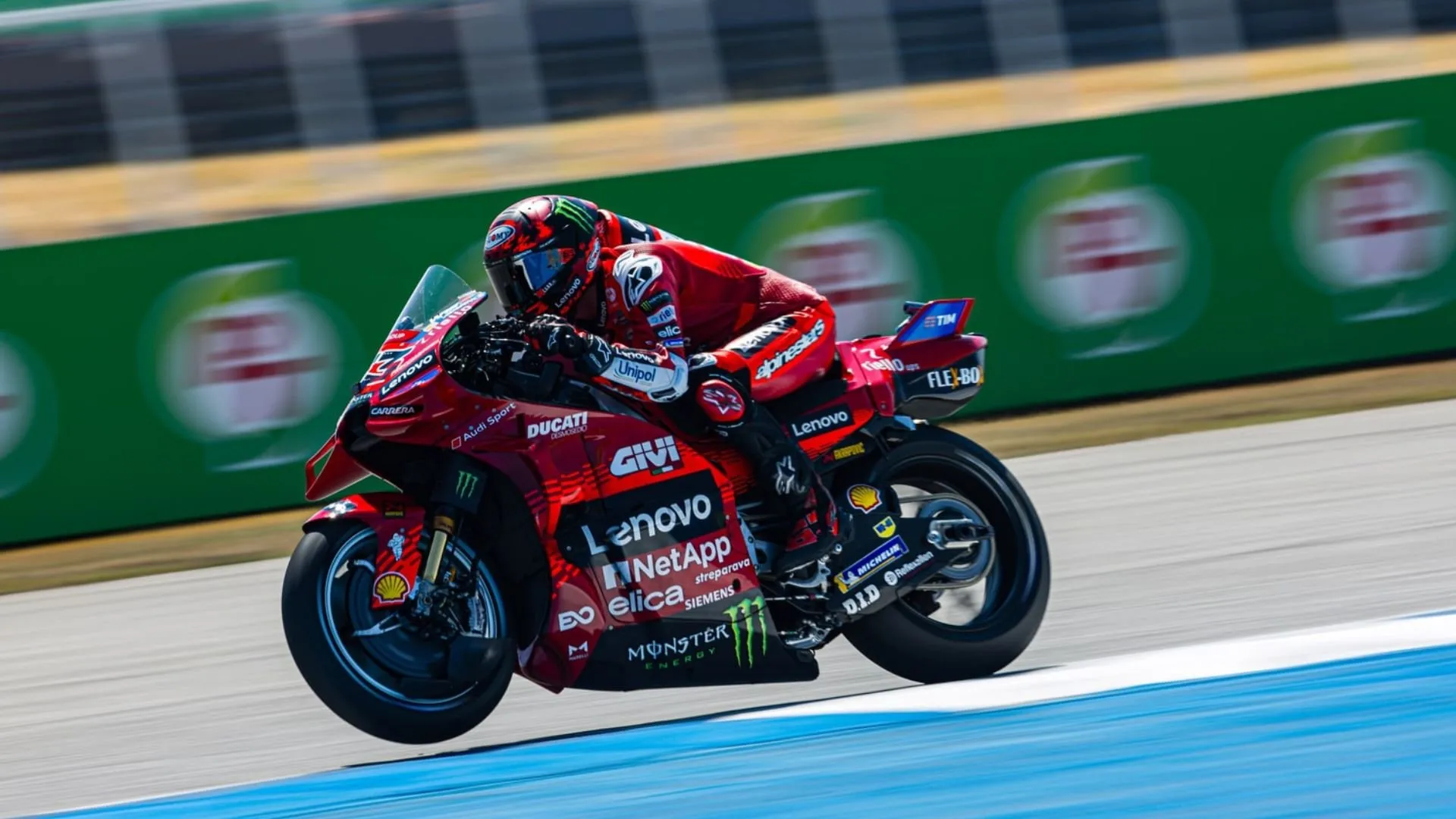
Ducati's iron grip on **MotoGP** is undeniable, with four consecutive titles amassed since **2022**. This unprecedented dominance has fueled the push for significant technical changes, leading to a massive reset for the sport.
The introduction of **850cc bikes** and radical aerodynamic changes in **2027** promises a complete overhaul of the grid's dynamics. This isn't just an evolution; it's a revolution that every manufacturer is already strategically planning for, making **2026** a crucial bridge year.
Why 2026 Becomes a Strategic Holding Pattern
Beyond the headline-grabbing future regulations, several factors are coalescing to make **2026** a year of strategic caution rather than unbridled development.
Engine Development Grinds to a Halt
A critical factor in the **2026 MotoGP** landscape is the engine freeze. From early **2025**, engine development will be halted, eliminating vital margins for performance gains in one of the most complex components of the bikes.
This forces teams to shift their focus dramatically. Rather than chasing incremental power boosts, their resources must be redirected to preparing for the all-new **2027** machinery.
The 2027 Bike: A Priority Over Current Season Upgrades
Test riders and team executives are already signaling a clear shift in priorities. **Honda** test rider **Aleix Espargaro** admitted he would be "focusing exclusively on the **2027 bike**" before the summer break. This is a powerful indicator.
Expect most 2026 upgrades to be front-loaded in the season. Resources will then quickly be diverted, with manufacturers keen to gain an early advantage for the future regulations.
A Tyre Transition: Michelin Out, Pirelli In
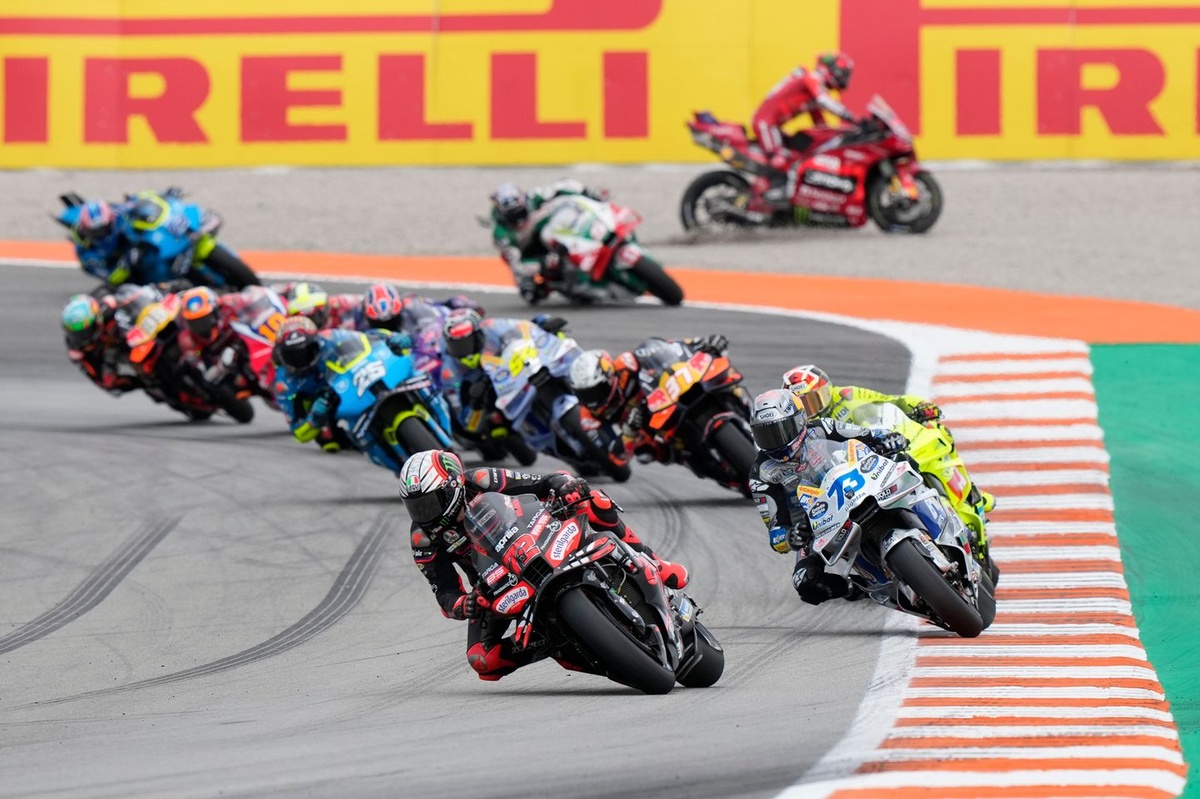
The **2026 season** will also mark a significant change in tyre supply. **Michelin** will conclude its tenure as the official tyre supplier at the end of the year, with **Pirelli** stepping in for **2027**.
For its final year, **Michelin** plans to reduce the available front tyre specifications and halt the introduction of new compounds. This means one less variable for teams to optimize, but also one less avenue for developing new performance gains in **2026**.
The High-Stakes Rider Market
Beyond the technical shifts, the **2026 season** is a crucial battleground for rider contracts. Teams are desperate to secure top talent for the new era, leading to intense negotiations and strategic decisions.
Yamaha's Quartararo Conundrum
**Yamaha** is under immense pressure to retain its star rider, **Fabio Quartararo**, whose contract expires at the end of **2026**. "El Diablo" has openly expressed his frustrations, reportedly running out of patience with the **M1's** current performance.
Can **Yamaha** demonstrate enough promise for its **2027** machine to convince **Quartararo** not to look elsewhere? The outcome of these negotiations could define **Yamaha's** competitiveness for years to come.
KTM's Battle to Keep Acosta
**KTM** faces a similar, high-stakes challenge with the sensational rookie **Pedro Acosta**. The rider from Murcia reportedly explored an early exit in **2025**, a year before his contract officially concludes.
**KTM** understands that their best chance to retain **Acosta** hinges on delivering an undeniably competitive **2027** machine during pre-season testing. The clock is ticking, as **Acosta** is keen to settle his future before the championship begins.
Honda's Awakening & Aprilia's Consistency
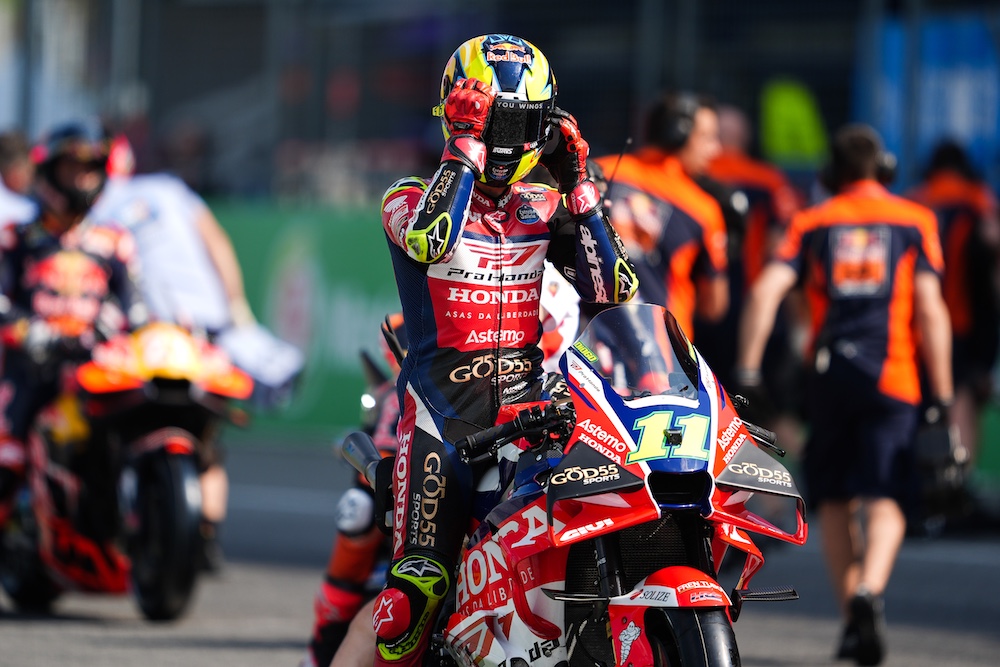
**Honda** showed signs of recovery in **2024**, achieving a **25% points increase** compared to the previous season. The question remains whether this is a true awakening or merely a temporary upturn.
**Aprilia**, while consistently the closest challenger to **Ducati**, still faces a significant performance gap over a full championship season. Their financial commitment for **2027** development will be a major test, especially considering the investment required.
As a **Honda** executive candidly put it: "No one should expect the picture to be very different this year, because things will be more or less the same as in the past." This highlights the cautious realism pervading the paddock.
The Strategic Long Game
While no team will publicly admit to overlooking the **2026 championship**, the underlying currents suggest a different reality. The strategic focus has undeniably shifted to **2027**, as manufacturers aim to seize the opportunity of a clean slate.
**MotoGP 2026** will be a fascinating season – a prelude to a new chapter, where every team and rider is playing the long game. Expect to see glimpses of the future, but don't be surprised if the current pecking order largely persists as the sport braces for its next big evolution.