
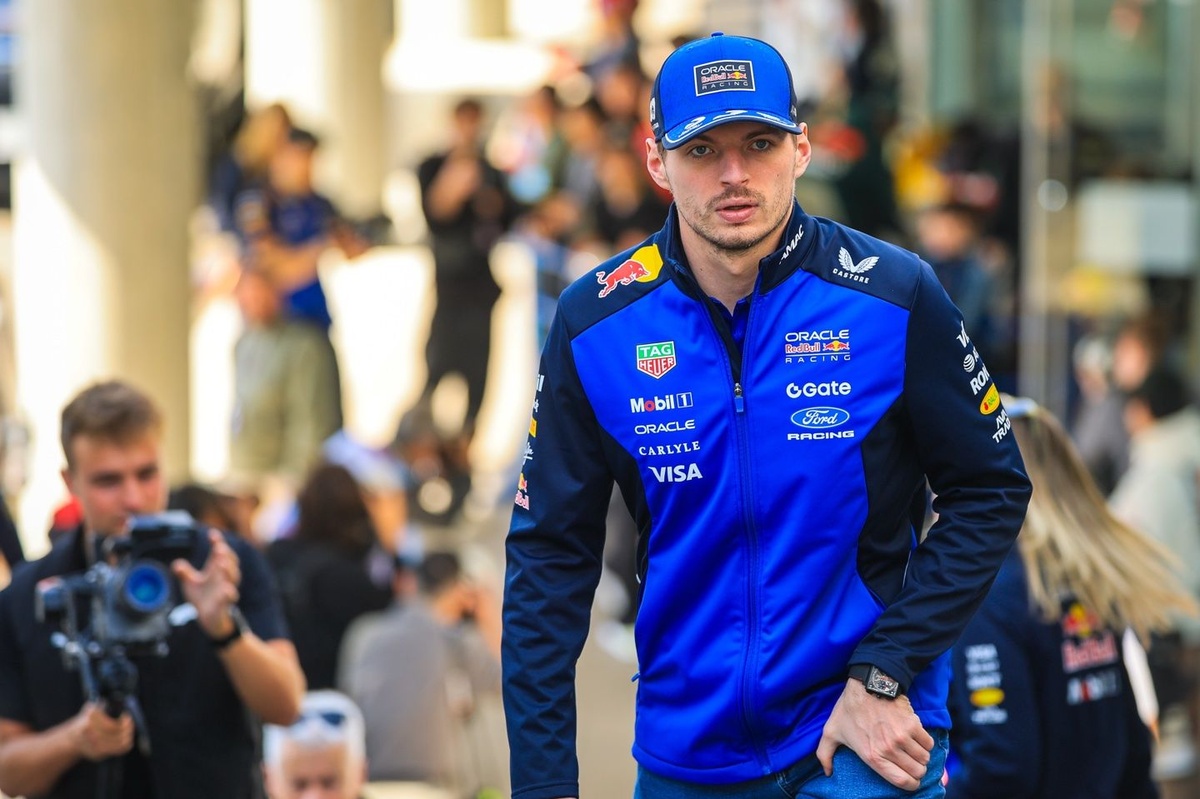

The roar of a Formula 1 engine should ignite pure joy for any champion, but for Max Verstappen, the future might sound a little too quiet. As the 2026 F1 regulations loom, the Red Bull superstar's outspoken criticism has sparked debate, with Jenson Button now offering a candid assessment: his passion for GT3 endurance racing is a vital escape, but it won't mend his philosophical rift with Formula 1's hybrid future.
Key Points:
- Max Verstappen has voiced strong concerns over the 2026 F1 regulations, labeling them "Formula E on steroids."
- Jenson Button believes Verstappen's GT3 endurance racing offers a crucial "release" and an opportunity to simply race.
- Button emphasizes that only a return to consistent winning in F1 will truly alter Verstappen's negative perception of the new rules.
- Verstappen's recent NLS GT3 outing saw him disqualified despite an initial win, highlighting his relentless pursuit of diverse racing challenges.
Verstappen's Hybrid Headaches: "Formula E on Steroids"?
Max Verstappen isn't one to mince words, especially when it comes to the sport's future. The reigning champion has been relentlessly critical of the upcoming 2026 F1 power unit regulations, which will see an almost 50:50 split between internal combustion and electric power. His infamous description, "Formula E on steroids," perfectly encapsulates his worry that the new era will prioritize energy management over pure, unadulterated racing prowess.
This isn't just a technical quibble; it's a fundamental disagreement over F1's core identity. Verstappen, a driver known for his aggressive, no-holds-barred style, fears the joy of pushing a car to its absolute limit will be diminished by complex energy strategies.
Button's Blunt Take: GT3 Won't Sway Max's F1 View
Former F1 world champion Jenson Button understands the allure of diverse motorsport disciplines. He suggests that Verstappen's frequent forays into GT3 endurance racing are a crucial outlet for the Dutchman's insatiable hunger for competition. "It's not like tennis, you don't really have many different types of tennis," Button noted, highlighting the vast spectrum of motorsport.
Button recognizes that these extra-curricular activities, like his recent Nürburgring Langstrecken-Serie (NLS) appearance where he raced alongside Daniel Juncadella and Jules Gounon, provide a pure racing experience. Even a post-race disqualification for exceeding tire allowance doesn't diminish the fact that Verstappen is out there racing and overtaking. He even piloted a Super GT car in Japan, showcasing his desire to master any machine.
The True Solution: F1 Glory
While Button acknowledges the enjoyment Verstappen derives from GT3, he's unequivocally clear on one point: these ventures won't change Max's mind about the 2026 F1 regulations. "No, I don't think it's going to change his view on F1 right now," Button stated. The remedy, according to Button, is far simpler, yet more profound.
"What's going to change his view on F1 is when he starts winning races again." This powerful statement underscores the competitive nature of Formula 1 and its champions. For Max Verstappen, the ultimate satisfaction comes from dominating at the pinnacle of motorsport. If the new regulations make winning harder, or less fulfilling, his frustrations will persist, regardless of his escapades in other racing series. It seems for Verstappen, the love of racing is universal, but the love for Formula 1 specifically is inextricably linked to the thrill of pure, unbridled victory.


