
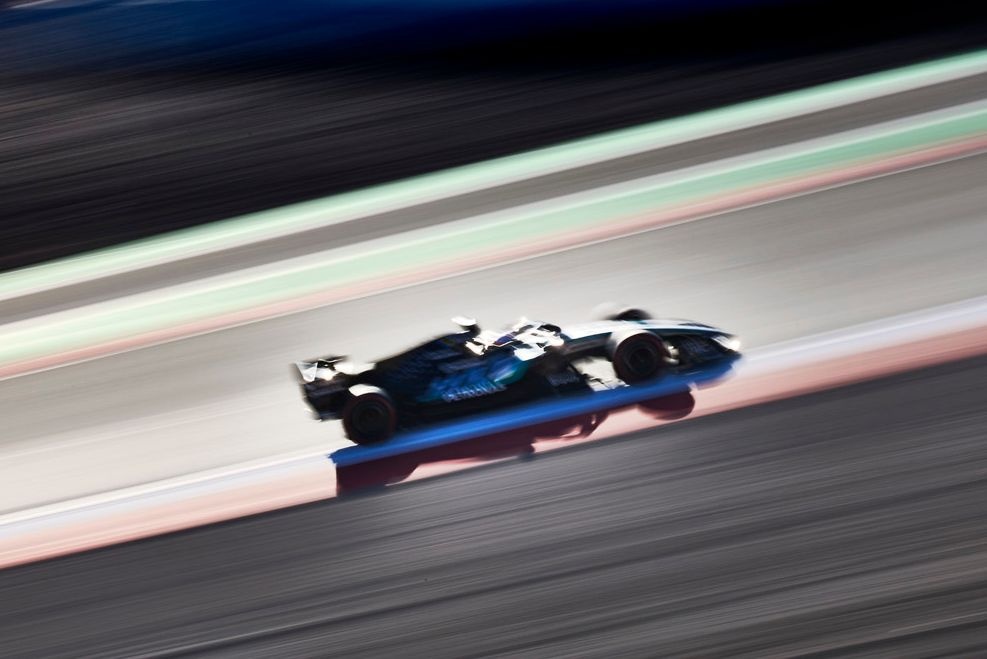

The 2026 Formula 1 season is poised to unleash a radical transformation on the sport. While initial alarms were raised over potentially perilous closing speeds, a deeper dive and ongoing collaboration suggest these fears are largely overblown, paving the way for a more tactical and exhilarating era of racing.
Key Insights into the 2026 F1 Revolution
- The 2026 F1 regulations introduce a revolutionary 50:50 electrical-to-internal combustion engine power split, demanding intricate "battery harvesting" strategies.
- Early simulations sparked concerns over extreme speed differentials, with Mercedes boss Toto Wolff observing a 60km/h gap during testing.
- Leading drivers like George Russell and Oscar Piastri now express confidence that these issues are manageable in dry conditions, thanks to driver adaptation and FIA collaboration.
- Combined with lighter cars and reduced downforce, the new rules are set to amplify overtaking opportunities and reward intelligent, strategic driving.
The Ultimate Driver Challenge: Mastering 2026 Power Units
The upcoming 2026 F1 season is set to redefine what it means to be a Formula 1 driver. Gone are the days of maximizing every straight; the new power unit, with its near 50:50 split between electrical and internal combustion energy, demands a completely fresh approach. Drivers will now need to actively manage and "harvest" battery power, often requiring them to slow down at certain points to gain speed later.
Esteban Ocon perfectly encapsulated this paradigm shift, stating, "We can forget everything that we've learned since go-karts." McLaren's Oscar Piastri noted "pretty big differences," while Mercedes' George Russell conceded "there's a lot of learning to be had." Reigning champion Lando Norris highlighted the core challenge: "the biggest challenge at the minute is battery management." This strategic ebb and flow will introduce an entirely new layer of complexity to grand prix racing.
Closing Speed Concerns: A Closer Look at Safety
Early insights into the 2026 F1 cars immediately brought a critical safety question to the forefront: closing speeds. When one car is actively harvesting energy down a straight, effectively "de-rating," while another is at full throttle, the speed differential could be alarming. Mercedes Team Principal Toto Wolff recounted a stark example from Barcelona testing, where George Russell overtook Franco Colapinto with a staggering 50-60km/h difference.
Such disparities naturally raised red flags, especially concerning high-speed circuits with blind corners, like Jeddah. Russell himself voiced concerns two years ago about the prospect of "a crash at 360-370km/h." The thought of drastically reduced downforce combined with high speeds, particularly in wet conditions, seemed like a recipe for disaster.
Mitigation and Optimism: Navigating the New Era
However, the tide of concern is turning. The extensive testing and collaborative efforts between teams and the FIA have provided crucial insights. George Russell, now more optimistic, believes major closing speeds won't be a problem in dry conditions. The key lies in understanding how the cars behave, particularly in varying weather.
Wet Weather: A Surprising Solution
For wet races, where visibility and grip are compromised, the situation actually improves. Russell explained that slower cornering speeds and longer braking distances in the wet lead to significantly more battery harvesting. This means drivers will have "plenty of energy to spend across the lap," reducing the need for aggressive "de-rates" and thereby mitigating extreme closing speeds. Oscar Piastri echoed this after his Barcelona shakedown, confirming that while speed differences might be "a little bit bigger than what we had with DRS," he doesn't foresee "any dangerous scenarios of cars doing wildly different speeds."
A New Chapter for Overtaking and Strategy
The overarching vision for the 2026 F1 regulations is not just about power, but about spectacle. These new cars, which are also 32kg lighter (minimum weight reduced from 800kg to 768kg) and feature less downforce than the current ground-effect machines, are designed to promote more dynamic racing.
Toto Wolff enthusiastically predicts "much more overtaking" in "areas that we wouldn't expect." The emphasis will be on "intelligent driving and tactics," making the sport even more engaging for fans. The 2026 season promises to be a masterclass in strategy, where managing every kilowatt and every meter will define victory.


